China Wholesale Distributors in the US: Complete Buyer's Guide 2026
China Wholesale Distributors in the US: Complete Buyer's Guide 2026
China Wholesale Distributors in the United States — Market Overview
The United States remains one of the world's largest importers of Chinese manufactured goods, and the wholesale distribution channel that connects Chinese factories to American retailers, resellers, and businesses has grown into a sophisticated, multi-billion-dollar ecosystem. From consumer electronics and apparel to industrial components and promotional products, china wholesale distributors serve as the critical link between overseas production capacity and domestic commercial demand. Industry estimates suggest that well over a trillion dollars in goods moves through this pipeline annually, making it one of the most consequential trade corridors in modern commerce.
Demand drivers in the U.S. market are diverse and deeply embedded in how American retail and e-commerce operate. Amazon FBA sellers, brick-and-mortar discount retailers, boutique shop owners, construction contractors, and corporate procurement managers all rely on china wholesale distributors to maintain competitive cost structures. The rise of e-commerce platforms like Amazon, eBay, Walmart Marketplace, and Shopify has dramatically lowered the barrier to entry for small-business buyers who can now source directly or through domestic wholesale intermediaries without operating a physical storefront. This democratization of wholesale sourcing has widened the buyer profile considerably — today's typical purchaser ranges from a solo entrepreneur ordering a minimum quantity of 100 units to a national chain placing container-load orders.
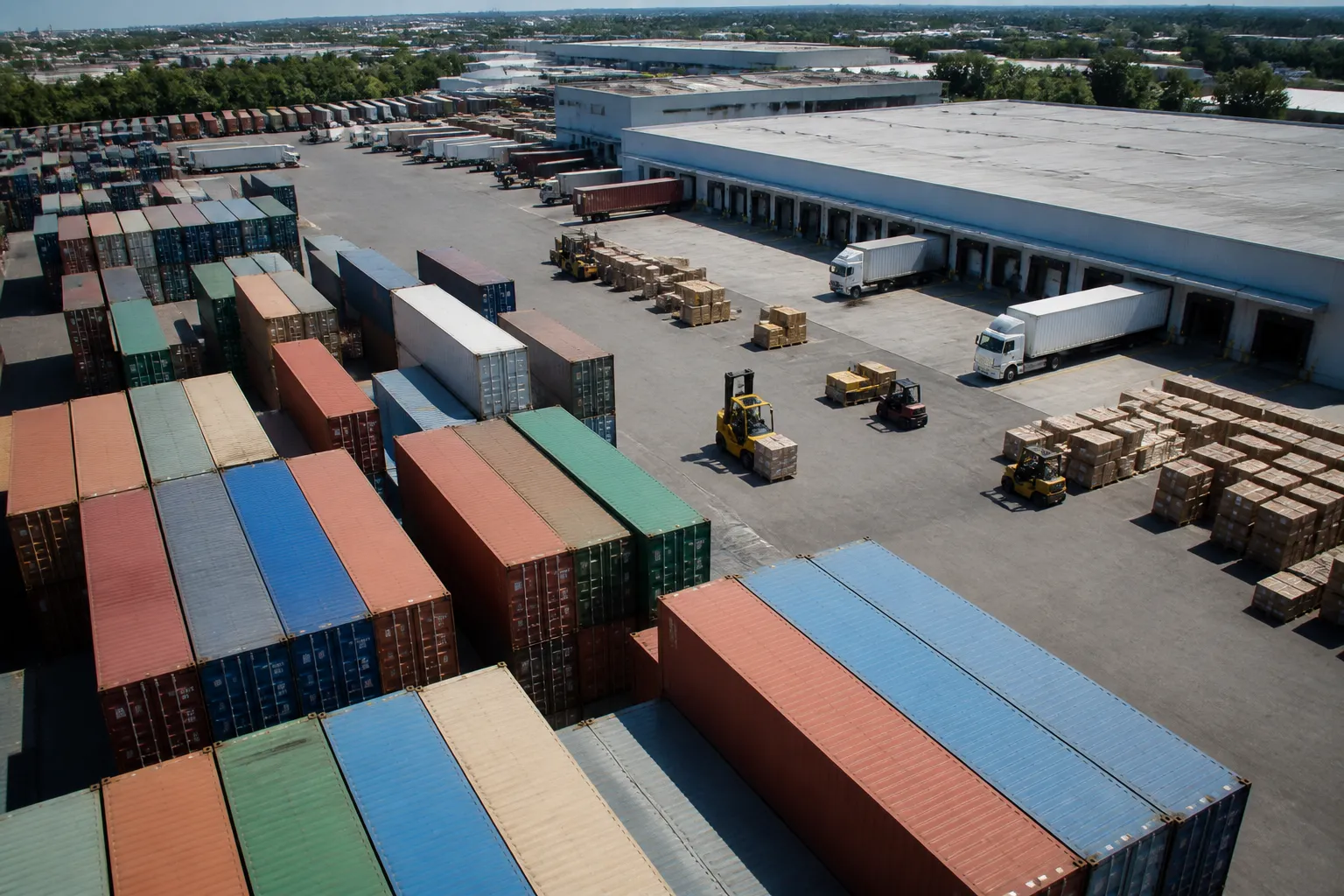
Regional distribution hubs have emerged organically around major port cities. Los Angeles and Long Beach (California), Seattle (Washington), Houston (Texas), Savannah (Georgia), and Newark/New York (New Jersey/New York) function as primary entry points, each with established networks of freight forwarders, customs brokers, and domestic distributors who specialize in moving Chinese-origin goods to end buyers across the country. Within these hubs, wholesale districts — such as the Los Angeles Fashion District, San Francisco's Wholesale Row, and New York's Garment District — continue to host physical showrooms and cash-and-carry operations alongside fully digital sourcing platforms.
What's Specific About the United States
Regulatory and Compliance Environment
Importing wholesale goods from China into the United States means operating within a layered regulatory framework enforced by multiple federal agencies. U.S. Customs and Border Protection (CBP) is the primary gatekeeper: all commercial shipments must clear formal entry procedures, and goods are subject to applicable Harmonized Tariff Schedule (HTS) rates plus any Section 301 tariffs that apply to Chinese-origin products under trade actions administered by the Office of the U.S. Trade Representative (USTR). As of 2026, many categories of Chinese goods remain subject to elevated Section 301 tariff rates that can range from 7.5% to 25% or higher depending on the product classification — this is a non-negotiable cost variable that serious buyers must factor into landed cost calculations before placing orders.
Beyond tariffs, product-category-specific agencies impose compliance requirements that wholesale buyers must meet before goods can be legally sold. The Consumer Product Safety Commission (CPSC) governs children's products, toys, and general consumer goods — items must meet ASTM International and CPSC standards and may require third-party testing documentation. The Food and Drug Administration (FDA) regulates food, dietary supplements, cosmetics, and medical devices imported from China. The Environmental Protection Agency (EPA) and California's Air Resources Board (CARB) impose additional chemical and emissions standards on relevant product categories. The Federal Trade Commission (FTC) enforces labeling and country-of-origin disclosure rules.
The Uyghur Forced Labor Prevention Act (UFLPA), signed into law in 2021 and enforced actively since 2022, creates a rebuttable presumption that goods produced in whole or in part in Xinjiang, China are made with forced labor and are therefore inadmissible. Wholesale buyers sourcing textiles, polysilicon, aluminum, cotton, or other materials with supply chain exposure to Xinjiang must conduct due diligence and maintain documentation sufficient to rebut this presumption if CBP raises a flag.
Cultural and Language Considerations
Negotiating with Chinese suppliers requires awareness of communication norms that differ from typical American business culture. Relationship-building (known in Chinese business culture as guanxi) matters; suppliers are more responsive and flexible with buyers who invest in the relationship over time rather than treating every transaction as purely transactional. Video calls, factory visits, and attending trade shows like the Canton Fair (Guangzhou Export Commodities Fair) or the Global Sources summits in Hong Kong signal seriousness. Time zone differences — China Standard Time (CST) is UTC+8, meaning a 12- to 15-hour difference from U.S. time zones — require planning around communication windows.
Common Payment Methods
U.S. buyers dealing with china wholesale distributors typically encounter the following payment structures:
- Telegraphic Transfer (T/T / Wire Transfer): The most common method. Standard terms are 30% deposit before production, 70% balance before shipment. For established relationships, net-30 or net-60 terms may be available.
- Letter of Credit (L/C): Used for larger orders, offering both parties payment security through a bank intermediary. Adds cost and complexity but reduces risk.
- PayPal or Payoneer: Available through many online platforms and smaller suppliers, but often incurs additional fees and may not be available for large transactions.
- Trade Assurance (Alibaba): A platform-specific escrow mechanism that offers dispute resolution, favored by newer buyers on the Alibaba platform.
Wire fraud targeting U.S. importers is a documented threat — always verify bank account details via a separate, confirmed phone call before executing any wire transfer.
How to Choose a China Wholesale Distributors Provider in the United States
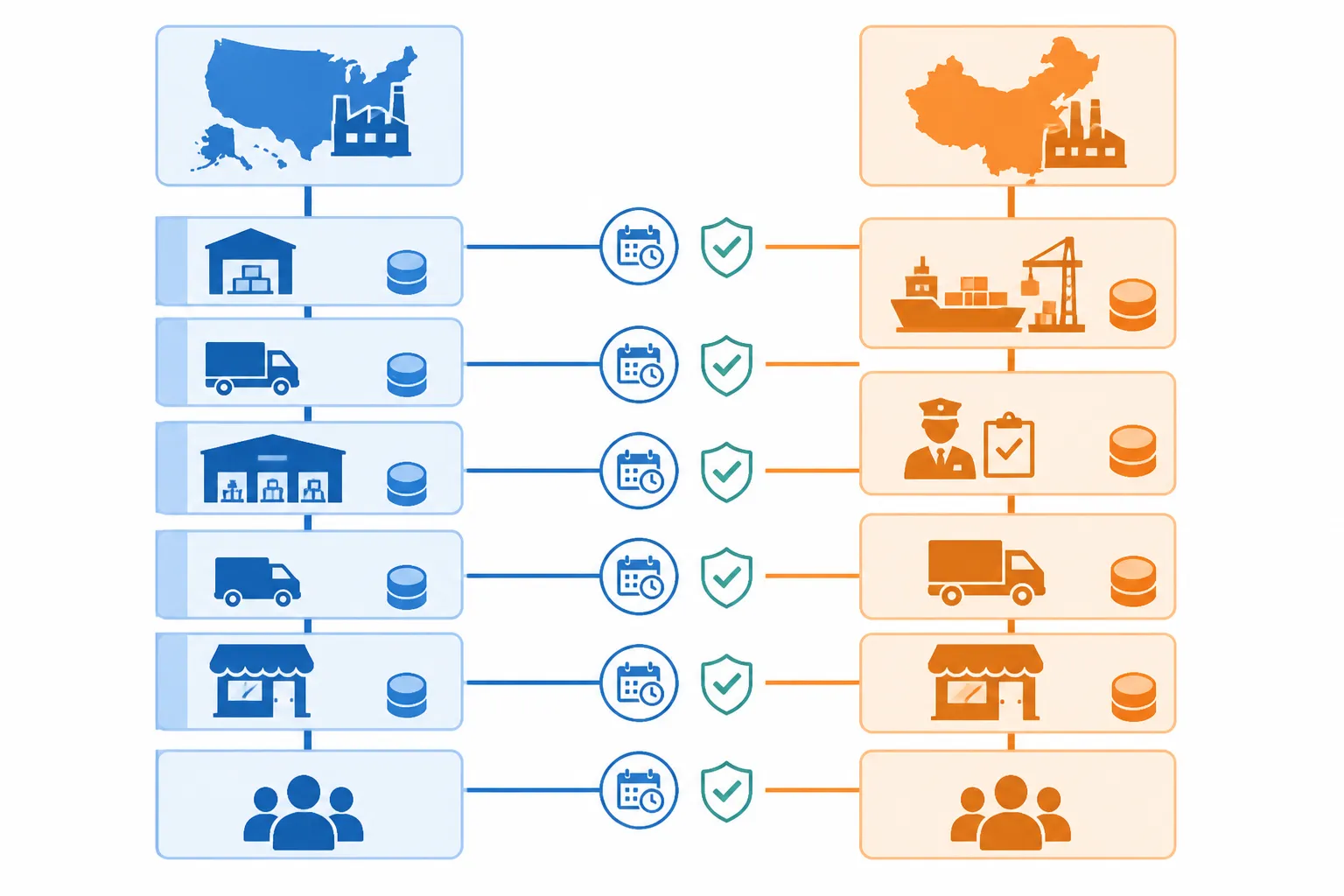
Choosing between sourcing directly from Chinese manufacturers/wholesalers and working through a U.S.-based domestic china wholesale distributor is the first decision every buyer must make. Both paths are legitimate; the right choice depends on order volume, operational bandwidth, and risk tolerance.
Licensing and Legal Standing: Any U.S.-based wholesale distributor should operate as a properly registered business entity with a valid Employer Identification Number (EIN) and, where applicable, a state-level wholesale or reseller license. Ask for their CBP importer of record number and verify their standing. For product categories subject to FDA or CPSC oversight, confirm they maintain the relevant registrations and testing certifications.
On-the-Ground Presence: Distributors with actual U.S. warehouse space — not just a virtual office address — offer meaningful advantages: faster domestic shipping, the ability to inspect inventory before purchase, and greater accountability if problems arise. Ask for a physical warehouse address and cross-reference it.
Time-Zone Coverage and Language Support: A U.S.-based operation should have customer service staff available during U.S. business hours. If you are working directly with a Chinese supplier or sourcing agent, confirm whether they have English-speaking staff dedicated to U.S. accounts or whether communication will route through translation intermediaries.
Minimum Order Quantities (MOQs): China wholesale distributors vary enormously on MOQ requirements. Platform-based distributors often accommodate orders starting at single units or small lots, while factory-direct wholesalers may require full container loads (FCL = approximately 20 or 40 cubic meters). Align MOQs with your actual inventory absorption capacity.
Track Record and References: Request references from other U.S.-based buyers in similar industries. For online platforms, review third-party verified ratings and dispute resolution histories. Trade associations such as the National Association of Wholesaler-Distributors (NAW) can be a reference point for vetted domestic members.
Sourcing Agents vs. Distributors: A sourcing agent operates on your behalf in China, identifying suppliers, negotiating pricing, and managing quality control — for a service fee (typically 5–10% of order value). A wholesale distributor holds inventory and resells it. Both roles have value depending on whether you need customization and manufacturing oversight or straightforward reorder of stocked goods.
Pricing in the United States
Pricing for china wholesale goods in the U.S. market is driven by a stack of cost components that buyers must understand to negotiate effectively and project accurate margins.
Landed Cost Components (in USD):
| Cost Component | Typical Range |
|---|---|
| Ex-Factory (EXW) Price | Baseline — varies by product |
| Ocean Freight (LCL) | $200–$600 per cubic meter |
| Ocean Freight (FCL 20') | $1,500–$4,500 per container |
| Section 301 Tariffs | 7.5%–25%+ on CIF value |
| CBP Merchandise Processing Fee | 0.3464% of value (min $31.67, max $614.35) |
| Harbor Maintenance Fee | 0.125% of cargo value |
| Customs Broker Fee | $150–$400 per shipment |
| Domestic Freight (port to warehouse) | $200–$800 depending on distance |
| Quality Inspection (third-party) | $250–$400 per inspection day in China |
For a typical small-business buyer ordering $5,000 in Chinese goods, the total landed cost after tariffs, freight, and fees may be $7,500–$9,500 — a 50–90% uplift over the factory price. This calculation is foundational to profitable wholesale sourcing.
Domestic Wholesale Distributor Markup: If purchasing from a U.S.-based china wholesale distributor (who has already cleared customs and holds inventory domestically), expect a markup of 20–60% over their own landed cost, reflecting warehousing, labor, and business overhead. This convenience comes at a price premium but eliminates the buyer's import compliance burden entirely.
Platform Pricing (Alibaba, Global Sources, DHgate, etc.): These platforms list prices in USD and typically show price tiers — unit price drops significantly at higher MOQs. Industry estimates suggest buyers can achieve 15–40% savings by committing to larger order quantities, though the working capital requirement and inventory risk scale accordingly.
Common Challenges for Buyers in the United States
Logistics and Lead Times
Ocean freight from Chinese ports to U.S. West Coast ports (Los Angeles/Long Beach) takes approximately 14–21 days under normal conditions; East Coast routes via the Panama Canal run 28–35 days. Port congestion — as dramatically demonstrated during the 2021–2022 supply chain disruptions — can add weeks of unpredictable delay. Buyers should build buffer inventory and avoid single-source dependency for critical SKUs.
Tariff Volatility and Trade Policy Risk
Section 301 tariffs have been subject to ongoing review, exemption proceedings, and periodic escalation. Trade policy between the United States and China is a geopolitical variable that can shift with administrations and bilateral negotiations. Buyers with heavy exposure to Chinese wholesale supply chains should monitor USTR announcements and maintain scenario plans for tariff changes that could materially affect their cost structures.
Supplier Reliability and Quality Control
Verifying supplier claims from the United States is inherently difficult. Factory audit reports, third-party inspection certificates (from SGS, Bureau Veritas, or Intertek), and product sample orders are essential due-diligence steps before committing to a large purchase order. Counterfeit goods, bait-and-switch quality issues (samples differ from bulk production), and intellectual property concerns are documented risks that can expose U.S. buyers to liability under CBP's trademark and copyright enforcement programs.
Currency and Payment Risk
All pricing in China wholesale trade is typically denominated in USD or Chinese Yuan (CNY/RMB). While the USD/CNY exchange rate is actively managed by Chinese monetary policy, short-term fluctuations can affect supplier pricing revisions on longer-lead production orders. Wire transfer fraud remains an active threat — verify payment instructions through independent channels.
Import Compliance Burden
Small and mid-size U.S. buyers often underestimate the ongoing compliance workload: HTS classification decisions, Country of Origin determinations, UFLPA documentation requirements, product testing records, and customs record retention (CBP requires five-year retention of import records). Working with a licensed customs broker is strongly recommended for buyers clearing more than a few shipments per year.
Frequently Asked Questions (United States-Specific)
Q: Do I need a business license to import from China wholesale distributors into the United States?
A: You do not need a federal import license for most goods, but you do need an Employer Identification Number (EIN) to act as the Importer of Record with CBP. Certain product categories (firearms, food, pharmaceuticals, alcohol) require specific agency registrations. State-level reseller or wholesale licenses are required in most states if you intend to resell goods commercially.
Q: How do Section 301 tariffs affect the total cost of buying from China wholesale suppliers?
A: Section 301 tariffs are assessed as a percentage of the customs value of your goods and are paid at the time of import clearance in addition to standard Most Favored Nation (MFN) duty rates. Depending on your product's HTS classification, the combined rate may add 10–45% or more to your import costs. Always verify the applicable tariff rate for your specific HTS code on the USITC Harmonized Tariff Schedule portal before committing to an order.
Q: What is the safest way to pay a Chinese wholesale supplier for the first time?
A: For initial orders with unestablished suppliers, Alibaba Trade Assurance provides a platform-mediated escrow that reduces risk. For direct transactions, a Letter of Credit through a U.S. bank is the most secure mechanism for larger orders. Avoid Western Union, cryptocurrency, and any payment method where funds are irretrievable. Always independently verify wire transfer instructions before sending funds.
Q: How do I verify that a Chinese wholesale distributor is legitimate?
A: Request their Chinese business registration number (营业执照, yíng yè zhí zhào) and cross-reference it through China's National Enterprise Credit Information Publicity System. For platform-based suppliers, check Gold Supplier status, verified business information, transaction history, and dispute resolution records. Commission a third-party factory audit from a firm like SGS, Bureau Veritas, or QIMA before placing any significant order.
Q: What is the difference between using a sourcing agent and buying from a domestic U.S. china wholesale distributor?
A: A sourcing agent acts as your representative in China — useful when you need custom production, private labeling, or hands-on quality control. A domestic U.S. wholesale distributor holds Chinese-manufactured inventory in U.S. warehouses and sells it to you locally, eliminating your direct import compliance exposure but at a higher per-unit price. New buyers often start with domestic distributors and graduate to direct sourcing as order volumes grow.
Q: How does the Uyghur Forced Labor Prevention Act (UFLPA) affect U.S. wholesale buyers?
A: The UFLPA creates a legal presumption that goods with any connection to Xinjiang, China are made with forced labor and are prohibited from entry into the United States. CBP actively detains shipments it suspects may be affected. U.S. wholesale buyers — particularly in textiles, cotton, polysilicon, aluminum, and certain electronics supply chains — must obtain supply chain documentation demonstrating their goods are not Xinjiang-connected, or risk shipment detention and legal liability. Work with your customs broker to conduct a supply chain mapping exercise.
Q: Can small businesses in the United States realistically source directly from China wholesale distributors, or is it only for large companies?
A: The barrier to entry has dropped substantially. Platforms like Alibaba, Global Sources, and DHgate allow small U.S. businesses to connect with Chinese wholesale suppliers with MOQs as low as single units or small lots. U.S.-based fulfillment services and third-party logistics (3PL) providers further reduce the operational complexity. That said, small buyers must still navigate tariffs, compliance, and currency risk — starting with a domestic distributor or a vetted sourcing agent is a practical first step while building direct-sourcing capability.
Get Started in the United States
Sourcing from china wholesale distributors as a U.S. buyer is a learnable, scalable operation — but it rewards preparation over impulse. Here are concrete next steps to begin or optimize your wholesale sourcing program:
Classify your products. Look up the HTS code for each product category you intend to import using the USITC Harmonized Tariff Schedule tool. Determine your applicable duty rate and Section 301 tariff exposure before evaluating supplier pricing.
Engage a licensed customs broker. A CBP-licensed customs broker (find one through the National Customs Brokers & Forwarders Association of America, NCBFAA) will handle formal entry filings, advise on compliance requirements, and flag UFLPA or other admissibility concerns before they become costly detentions.
Start with samples. Before any volume commitment, order production samples from at least three suppliers. Evaluate against your quality standards and product specifications before entering price negotiation.
Build your landed cost model. Use a landed cost calculator that incorporates factory price, freight, tariffs, brokerage fees, and domestic distribution costs. Profitable wholesale sourcing requires discipline at this stage.
Verify supplier credentials. Request the supplier's Chinese business license, request references from U.S.-based buyers, and consider commissioning a third-party factory audit for any supplier you intend to order from repeatedly.
Negotiate terms. Standard T/T payment terms (30% deposit, 70% balance before shipment) are the baseline — as your relationship matures, negotiate for longer payment windows, volume discounts, and improved lead times.
Connect with a domestic wholesale distributor as a bridge. If direct import feels premature, a reputable U.S.-based china wholesale distributor serving your product category allows you to buy domestically while learning the market before stepping into direct import.
The U.S. market for Chinese wholesale goods is mature, well-served, and highly competitive — but it continues to offer meaningful cost advantages for buyers who approach it with the right due diligence, compliance infrastructure, and supplier relationships. Whether you are an established importer looking to diversify your supplier base or a first-time wholesale buyer, the foundational steps outlined above will position you to source effectively, legally, and profitably.
Ready to connect with vetted china wholesale distributors serving the United States market? The businesses in our local directory are reviewed for U.S. compliance standing, domestic warehouse presence, and English-language support — making it easier to start sourcing with confidence.