The Buyer's Guide to Sourcing Fine Jewelry From China
The Buyer's Guide to Sourcing Fine Jewelry From China
Fine jewelry consists of pieces crafted from solid precious metals—gold, platinum, or sterling silver—and set with natural or lab-grown gemstones. For overseas buyers and DTC store owners, sourcing fine jewelry directly from vetted Chinese factories requires evaluating minimum order quantities (MOQs), metal purity certifications, production lead times, and sample quality before committing capital.
Buying finished goods on open marketplaces often means gambling on unverified listings. A dependable sourcing partner shortlists factories, checks their compliance records, negotiates MOQ and price, coordinates samples, and handles repeat orders so you do not have to manage multilingual communication alone. Whether you are an importer looking for a specific collection of sapphires and emeralds, or a factory owner wanting your catalogue sold overseas without hiring an export sales team, the procurement mechanics remain the same: verify the metal, confirm the stones, and lock in the terms.
What Is Fine Jewelry? Understanding the Category
The distinction between fine jewelry and fashion jewelry comes down to materials. Fine jewelry uses solid precious metals and genuine gemstones. Fashion jewelry relies on base metals, plating, and synthetic crystals. If a piece is marketed as "gold" but lacks a karat stamp (10k, 14k, 18k, 22k), it is likely plated brass or copper.
Buyers sourcing from China must understand how local factories categorize their output. A facility producing permanent jewelry—welded chains meant to be worn indefinitely without clasps—operates different machinery than one casting heavy signet rings. Creators like Kayviana, who showcased a fine jewelry collection featuring vintage and new sapphires, emeralds, rubies, garnets, and gold necklaces, demonstrate the breadth of this category. That specific video breakdown, which garnered 46,158 views after its December 2022 publication, highlights how consumers evaluate both estate pieces and newly manufactured items side by side.
When you request quotes, specify the exact material standard. Ask the factory if they hold ISO 9001 certifications for manufacturing processes or if their gold alloys are tested by third-party assayers. Do not accept "high-quality metal" as a specification. Demand assay reports or X-ray fluorescence (XRF) test results for every production batch.
Why Fine Jewelry Matters for DTC Brands and Importers
Margins in the accessories space compress quickly when you sell disposable goods. Fine jewelry retains intrinsic value because the raw materials—gold, platinum, diamonds, colored gemstones—are globally traded commodities. This makes it a fundamentally different inventory bet for a DTC store owner compared to fast fashion.
Consider the brand landscape. Names like David Yurman built empires on signature cable designs in sterling silver and 18k gold. Kendra Scott scaled through accessible color palettes and proprietary stone-setting techniques. Even brands adjacent to the charm market, like Pandoras, transitioned heavily into higher-margin precious metals to secure long-term customer loyalty. Buyers studying these trajectories notice that customers return for durability and material authenticity.
For importers, stocking fine jewelry means dealing with higher unit costs but significantly lower return rates. A customer who buys a solid 14k gold chain rarely returns it due to tarnishing—a common failure point in affordable plated alternatives. Your evaluation criteria should focus on suppliers who can consistently deliver this durability at scale. When evaluating premium segments, reviewing a luxury jewelry sourcing guide helps clarify the distinct supplier standards required for investment-tier collections.
How to Source Fine Jewelry: Evaluating Chinese Factories
Sourcing fine jewelry from China is not about scrolling a directory and clicking "buy." It is a structured procurement process. Here is how overseas buyers and online creators should approach it.
Shortlisting and Vetting
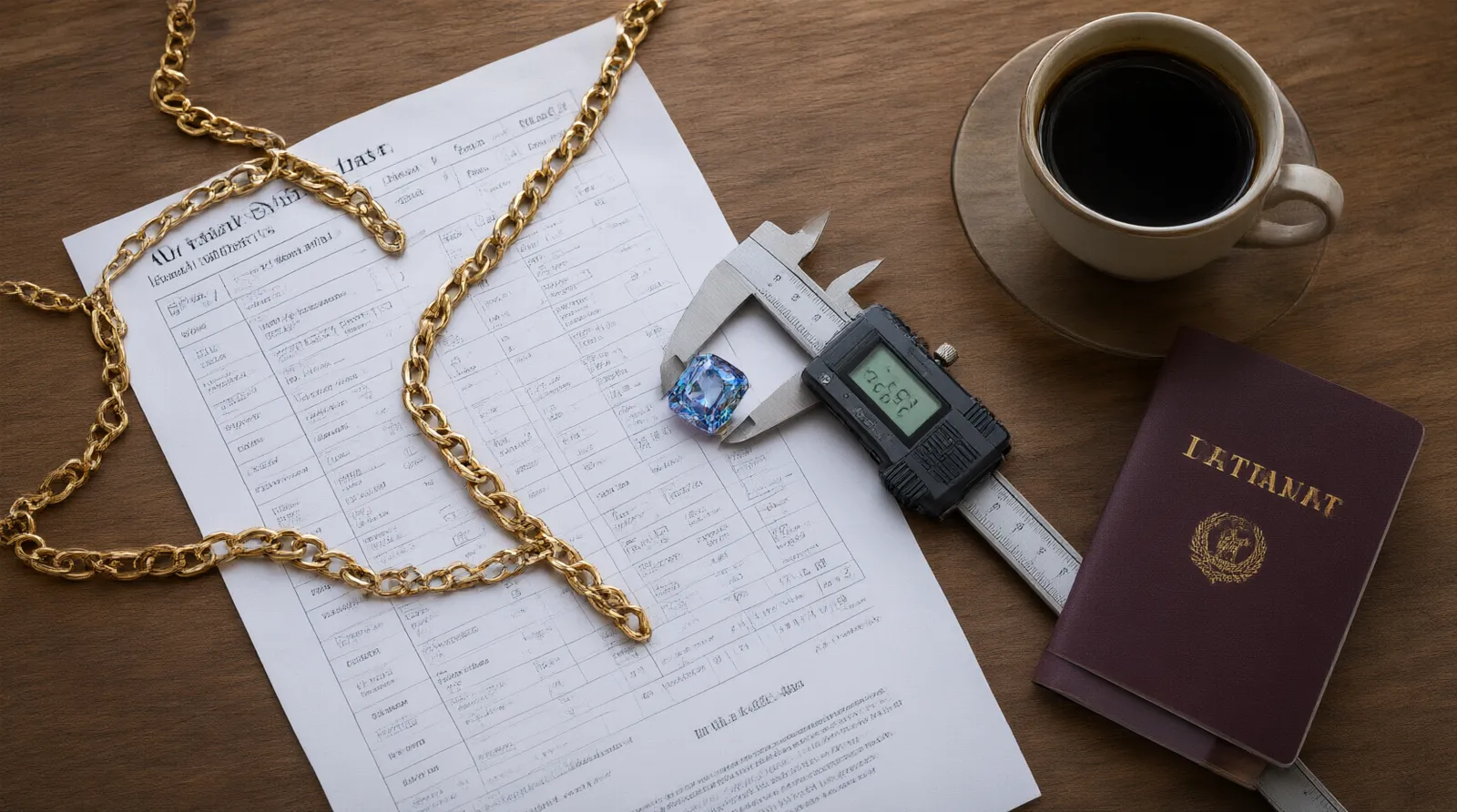
You need a partner who physically visits the factory floor. Link4a (链上科技) operates as a managed export operator that shortlists facilities based on your specific product requirements. If you want custom engagement rings, they filter out factories that only mass-produce plain chains. Vetting includes checking business licenses, export history, and past client references. You are paying for verification, not just introductions.
Negotiating MOQ and Price
Chinese factories often quote high initial MOQs to foreign buyers they perceive as one-off purchasers. A sourcing partner negotiates these down. Instead of a factory demanding [your MOQ] units per SKU, a negotiated agreement might allow mixed-SKU orders to hit the minimum threshold. Pricing must be broken down into raw material cost (tied to daily gold/silver spot prices), labor, and margin. Never accept a single bundled number without asking for the breakdown. Understanding wholesale jewelry buying structures will help you benchmark whether a factory's quoted margins align with broader industry standards.
Coordinating Samples
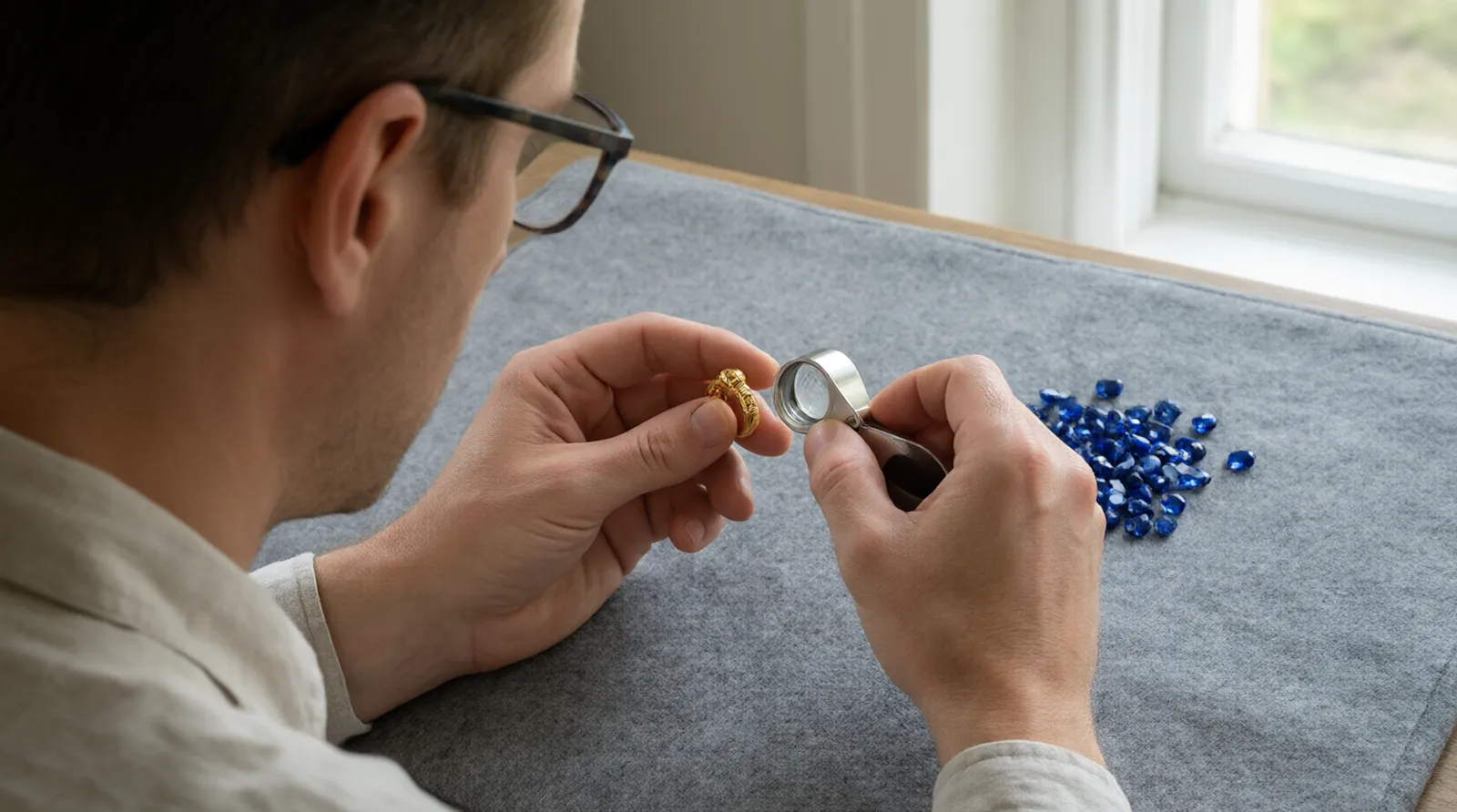
Do not place a bulk order based on photographs. Request physical samples. Evaluate the prong tension on gemstone settings, the solder joints on chain links, and the polish finish under magnification. If you are selling items sourced from platforms where Etsy and consignment finds mix with new manufacturing, your baseline for quality control must be explicitly defined in writing before sampling begins.
Handling Repeat Orders
Once a sample passes inspection, the real work starts. Repeat orders require consistent quality across batches. Communication gaps cause delays. Having a team handle multilingual communication ensures that a design tweak requested in English is accurately translated into the technical specifications the factory floor uses.
When Should You Use Fine Jewelry in Your Product Line?
Timing your entry into fine jewelry depends on your audience's purchasing maturity. If your DTC store currently sells affordable fashion accessories, jumping straight to 18k gold diamond rings will alienate your existing traffic.
A practical sequence is introducing demi-fine pieces first—sterling silver with vermeil plating or small lab-grown stones—to test your audience's willingness to pay higher price points. Once conversion data supports it, introduce solid gold and natural gemstone collections. To execute this transition using Chinese manufacturers, start by requesting quotes specifically for 925 sterling silver bases with 2.5-micron 18k gold vermeil plating, rather than standard flash plating. Chinese factories in hubs like Panyu (Guangzhou) or Shuibei (Shenzhen) specialize in tiered production lines; ask them to quote the same CAD file in both vermeil and solid 10k or 14k gold so you can map the exact margin difference before committing. When ordering your initial demi-fine test batch, negotiate a lower MOQ by agreeing to a standardized stone size—such as 3mm or 4mm round lab-grown moissanite or cubic zirconia—which the factory likely already stocks in bulk, reducing their setup costs and your upfront risk.
Before approving the solid gold transition, audit the factory's alloy sourcing. Reputable Chinese fine jewelry manufacturers purchase standardized gold grain from certified refineries and should provide a mill certificate or XRF (X-ray fluorescence) scan proving the alloy meets international karat standards (e.g., 58.5% pure gold for 14k). Order three to five pre-production samples of your solid gold SKUs and send them to an independent domestic lab or use a handheld XRF analyzer to verify the factory's claims match the physical product. Only after these samples pass metallurgical testing should you wire the deposit for bulk production.
Seasonal timing also matters. Q4 drives the highest volume for gifting, but production lead times in Chinese factories stretch significantly during this period due to global demand and domestic holidays. If you need inventory for November, your sample approval must happen by July, and bulk production should start no later than August. Factor in ocean freight transit times (typically 25-40 days to US ports) or air freight costs for urgent restocks.
The Benefits of Fine Jewelry for E-Commerce Operators
Stocking fine jewelry changes the economics of your e-commerce operation in three concrete ways.
Higher Average Order Value (AOV): A single 14k gold pendant generates more revenue than ten pairs of alloy earrings. This reduces the pressure on customer acquisition costs (CAC). You need fewer transactions to hit revenue targets.
Reduced Warehousing Footprint: Fine jewelry is dense in value but small in physical size. A drawer holds thousands of dollars in inventory. This lowers warehousing fees and simplifies logistics for international shipping.
Brand Positioning: Selling verified precious metals shifts your brand perception. You move away from competing on price with fast-fashion marketplaces and enter a tier where craftsmanship and material integrity justify premium pricing. Buyers looking for luxury goods expect transparent sourcing. Providing assay certificates and origin documentation builds the trust required to close those sales.
Custom Designs, Restricted Materials, and Compliance
If you are developing custom fine jewelry, the factory must have CAD/CAM capabilities and experienced bench jewelers for prototyping. Not all mass-production facilities handle bespoke tooling well. Specify whether you need lost-wax casting for intricate designs or CNC milling for precise geometric shapes.
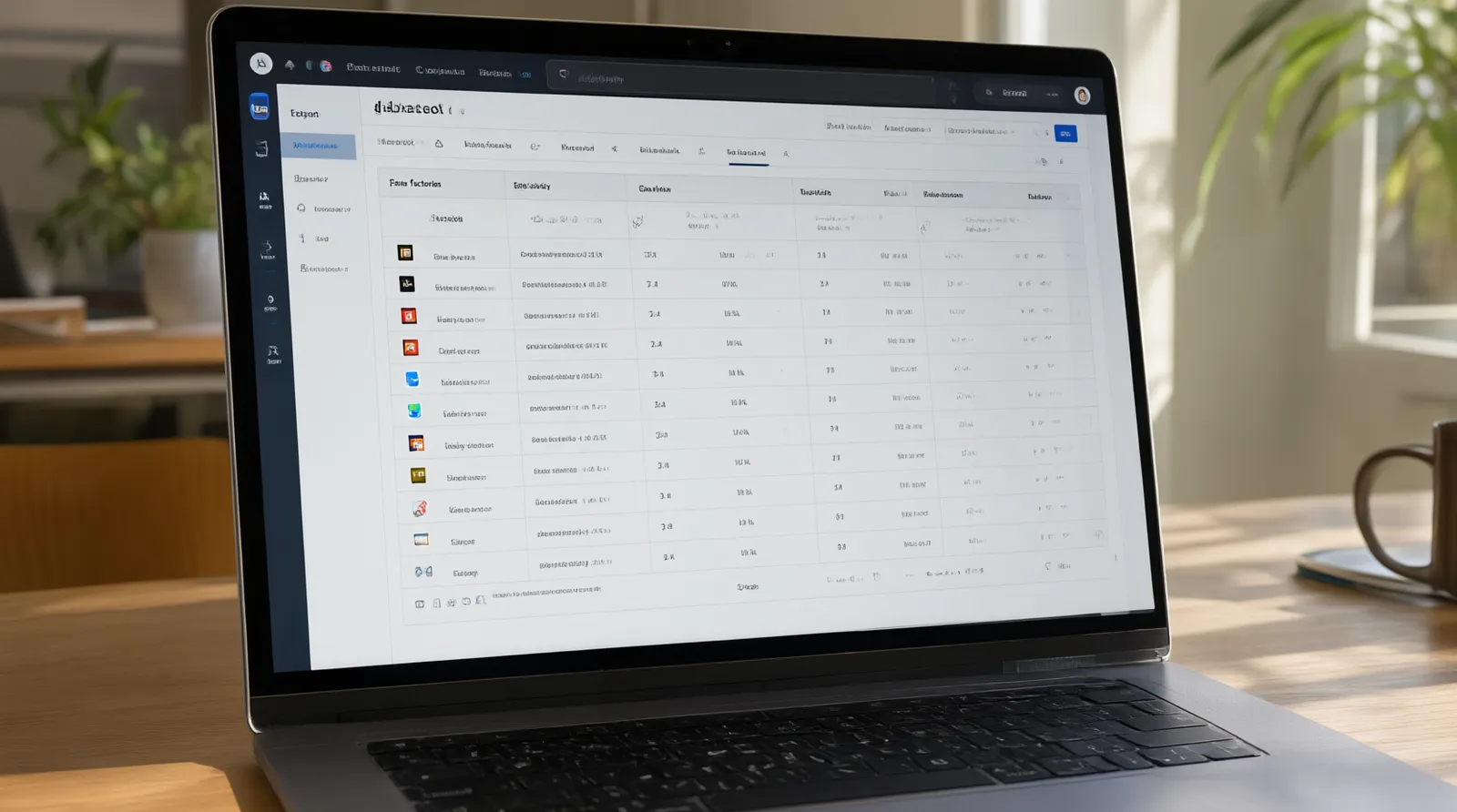
Compliance is non-negotiable. Certain markets restrict specific materials. The EU's REACH regulation strictly limits nickel release in jewelry. California's Proposition 65 requires warnings for trace lead or cadmium. Before placing an order, ask the factory for their latest SGS or Intertek testing reports against your target market's regulations. If they cannot provide them, walk away.
For buyers interested in vintage or estate-style reproductions, ensure the factory understands historical setting techniques. Replicating the look of older collections requires specific tooling that modern automated lines do not possess. Verify this capability during the sample phase, not after depositing funds for bulk production.
Sourcing Partnership vs. Marketplace Gambling
The difference between using a managed sourcing partner and buying direct from an open marketplace is risk allocation. On a marketplace, you evaluate a listing based on photos and reviews that may be fabricated. You wire money, wait, and hope the metal purity matches the description.
Link4a structures this differently. They act as your operational arm in China. They draft replies to buyers based on the factory's actual in-stock catalogue, preventing overselling. For Chinese factory owners who want overseas reach without building an export sales team, Link4a provides a managed storefront in six languages—including Arabic laid out right-to-left—with per-language keyword research rather than direct English translation. They generate weekly SEO content tailored to each locale. The model charges commission only on closed orders; factories pay nothing before a sale completes.
This performance-based structure aligns incentives. Client stores managed through their system have achieved top search rankings on US Google for targeted product queries, demonstrating the effectiveness of localized SEO efforts. Those queries are published on their homepage for independent verification. You are evaluating a system backed by verifiable rankings, not promises.
Next Steps for Buyers and Factories
Purchasing fine jewelry at scale from China requires treating the transaction as a supply-chain engineering problem, not a retail shopping trip. Define your material standards, demand verifiable assay reports, negotiate MOQs based on mixed-SKU realities, and never skip the physical sampling phase.
If you are an overseas buyer, importer, or DTC operator ready to evaluate vetted Chinese supply for your next collection, stop relying on unverified marketplace listings. Request current terms, verify production capacity, and get your MOQ and pricing structured for your specific market.
Request a Quote and Get MOQ & Pricing →
Frequently Asked Questions
What is fine jewelry?
Fine jewelry refers to pieces crafted from solid precious metals (18K/14K gold, 925 sterling silver, platinum) and genuine gemstones, distinct from fashion or plated accessories. For overseas buyers sourcing from Chinese hubs like Panyu (Guangzhou) or Shuibei (Shenzhen), factories such as 宝福珠宝 (Baofu Jewelry) or OEM lines via platforms like Sitebox typically require MOQs of 50–300 pieces per SKU with lead times of 25–45 days for bulk production after CAD/wax approval. Ensure suppliers hold ISO 9001 certifications and provide third-party assay reports (e.g., NGTC or SGS) verifying metal purity and stone grading before placing DTC orders.
How to fine jewelry?
To source fine jewelry from China, DTC operators typically engage Panyu (Guangzhou) or Shuibei (Shenzhen) factories like 宝福珠宝 (Baofu Jewelry) or 粤豪珠宝 (Yuehao), which offer lost-wax casting and CNC machining with MOQs of 50–100 pieces per SKU and 25–35 day lead times. Ensure suppliers hold RJC (Responsible Jewellery Council) certification and provide third-party gemological grading (NGTC or GIA) for all stones to verify material authenticity. Platforms like 链上科技 can streamline factory vetting by providing real-time production tracking and verified compliance documentation for overseas buyers.
Why is fine jewelry important?
Fine jewelry is important to DTC operators and sourcing buyers because it commands higher margins and repeat purchases when backed by verifiable supply chain standards like RJC (Responsible Jewellery Council) certification, GIA/NGTC grading, and ISO 9001 factory audits. Sourcing from established Chinese hubs—such as Panyu (Guangzhou) for lost-wax casting and CAD/CAM production at factories like 宝福珠宝 (Baofu Jewelry), or Shenzhen’s Shuibei district for CNC-machined gold chains—ensures consistent quality with MOQs typically starting at 50–100 pieces per SKU and lead times of 25–40 days. This level of concrete manufacturing capability allows brands to scale fine jewelry lines profitably while maintaining strict material traceability for 18K gold, platinum, and natural gemstones.
When should I use fine jewelry?
Fine jewelry (18K gold, VVS diamonds) is used for DTC bridal and investment-tier product lines where buyers require RJC or SCS-007 certifications, typically sourced from Panyu district factories like 宝福珠宝 (Baofu Jewelry) with MOQs of 50–100 units per SKU. Production relies on lost-wax casting and hand-setting processes, requiring 30–45 day lead times for sampling and bulk delivery. DTC operators deploy these SKUs for high-AOV drops rather than everyday fast fashion, ensuring assay reports accompany each shipment.
What are the benefits of fine jewelry?
For DTC operators and overseas buyers, sourcing fine jewelry (solid 18K gold, VVS lab-grown diamonds) from Chinese factories like 链上科技 or Sitebox provides the benefit of vertically integrated CAD-to-casting production with RJC and ISO 9001 certifications, reducing unit costs by 30–40% versus European suppliers. These facilities typically support MOQs as low as 50 pieces per SKU with 15–25 day lead times, enabling rapid inventory testing without heavy capital lock-up. Additionally, Shenzhen-based manufacturers offer in-house GIA/IGI grading integration and lost-wax casting precision that ensures consistent quality for direct-to-consumer fulfillment.