Supply Chain Management Certification: Which One Is Right for You?
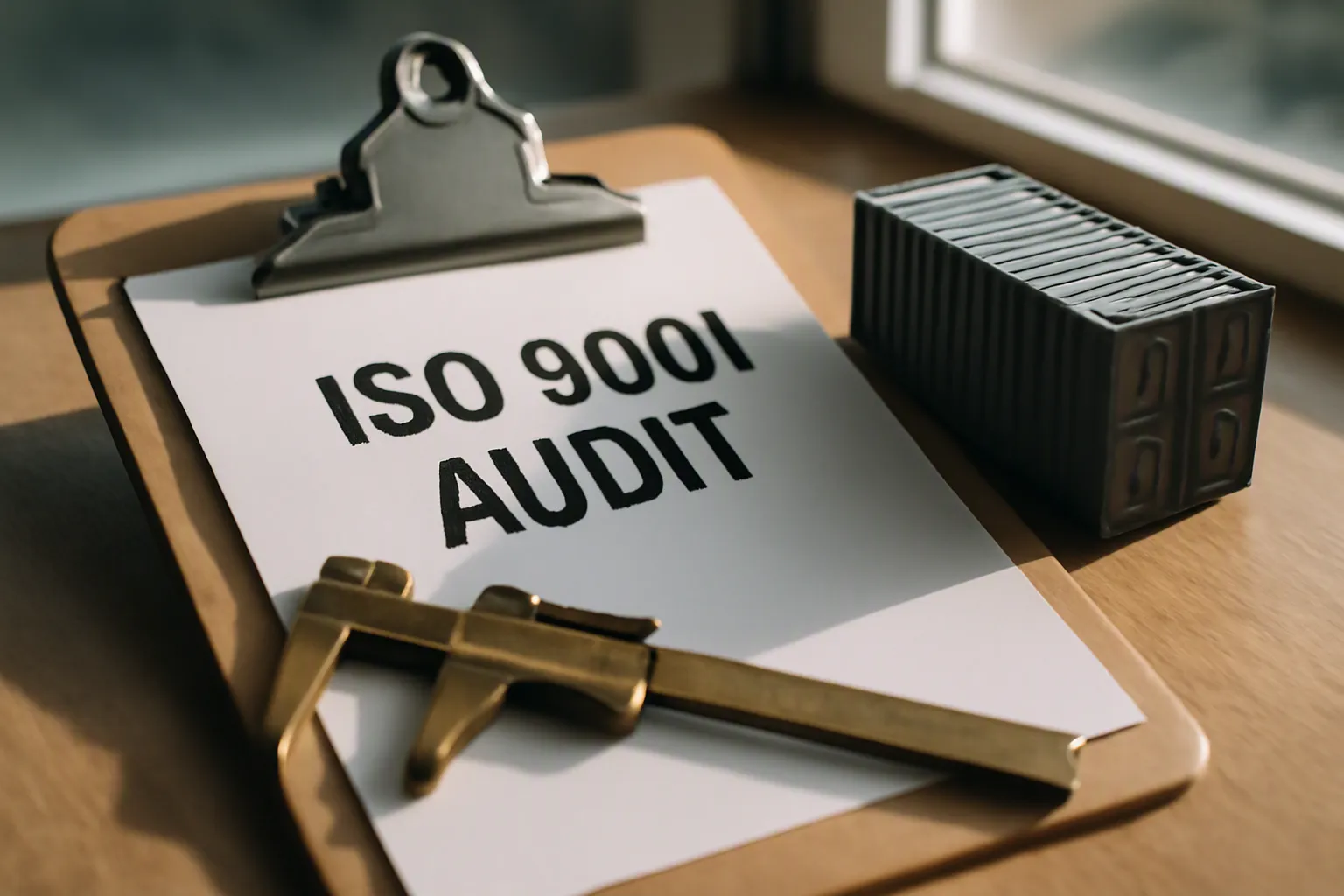
Supply Chain Management Certification: 5 Credentials That Drive Sourcing Trust
Supply chain management certification is a standardized professional credential validating expertise in logistics, procurement, operations, and cross-border compliance. For overseas buyers sourcing from China, these certifications serve as third-party verification of a supplier’s operational maturity, distinguishing verified manufacturers from unvetted trading companies.
For DTC operators and TikTok creators building brands on Chinese manufacturing, understanding supply chain management certification is no longer optional academic knowledge; it is a procurement filter. When evaluating OEM/ODM partners, buyers must distinguish between factories that merely claim capability and those with certified, auditable processes. This guide breaks down the specific credentials that matter for cross-border trade, how to verify them, and how AI-native infrastructure like Link4a / 链上科技 bridges the gap between traditional certification standards and modern digital sourcing speed.
What Is Supply Chain Management Certification in Cross-Border Trade?
Supply chain management certification encompasses both individual professional credentials and organizational system validations. In the context of sourcing from China, buyers should view this through two distinct lenses: the competence of the factory's management team and the compliance of the facility itself.
Professional vs. Organizational Certification
Individual certifications, such as those from ASCM (formerly APICS) or ISM, validate that a supply chain manager understands global standards for planning, sourcing, and logistics. When a Chinese factory employs staff with these credentials, it signals alignment with Western operational expectations. Conversely, organizational certifications like ISO 9001 or BSCI validate the facility’s systems. For an overseas buyer, the intersection of these two creates true reliability. A factory might have ISO 9001 on paper but lack the trained personnel to execute it consistently; conversely, a skilled manager cannot overcome a facility lacking basic safety infrastructure.
The Digital Verification Layer
Traditional paper certificates are static and easily forged. Modern supply chain management certification now includes digital verification through AI-native platforms. Tools like Link4a’s Match engine can cross-reference supplier claims against real-time operational data in an average of 3 seconds. This shifts verification from trusting a PDF to validating live performance metrics. For buyers using Sitebox to deploy independent sites in under 30 minutes, integrating verified supplier data directly into product pages transforms certification from a back-office document into a front-end conversion asset.
Why Supply Chain Management Certification Matters for Overseas Buyers
The primary value of supply chain management certification for international buyers is risk mitigation in opaque markets. According to industry benchmarks, certified suppliers demonstrate significantly lower defect rates and more consistent lead times compared to non-certified counterparts. For DTC brands where one viral TikTok video can generate thousands of orders overnight, supply chain failure is existential.
Reducing Information Asymmetry
Chinese manufacturing ecosystems are vast and fragmented. Without supply chain management certification, buyers face severe information asymmetry. A certified supplier provides a standardized framework for evaluation. For example, a factory holding C-TPAT (Customs-Trade Partnership Against Terrorism) certification has already undergone rigorous security audits relevant to US imports. This saves buyers weeks of due diligence. When sourcing through Link4a / 链上科技, the Reach engine amplifies this trust signal across SEO and social channels, ensuring that verified compliance translates to discoverability.
Compliance as a Market Access Requirement
Many Western markets now mandate specific supply chain management certification levels for entry. The EU’s Corporate Sustainability Due Diligence Directive (CSDDD) and California’s Transparency in Supply Chains Act require documented proof of ethical sourcing. Suppliers without verifiable social compliance certifications (like SA8000 or SMETA) are effectively disqualified from major retail partnerships. Buyers must treat these certifications not as "nice-to-haves" but as binary gatekeepers for market access.
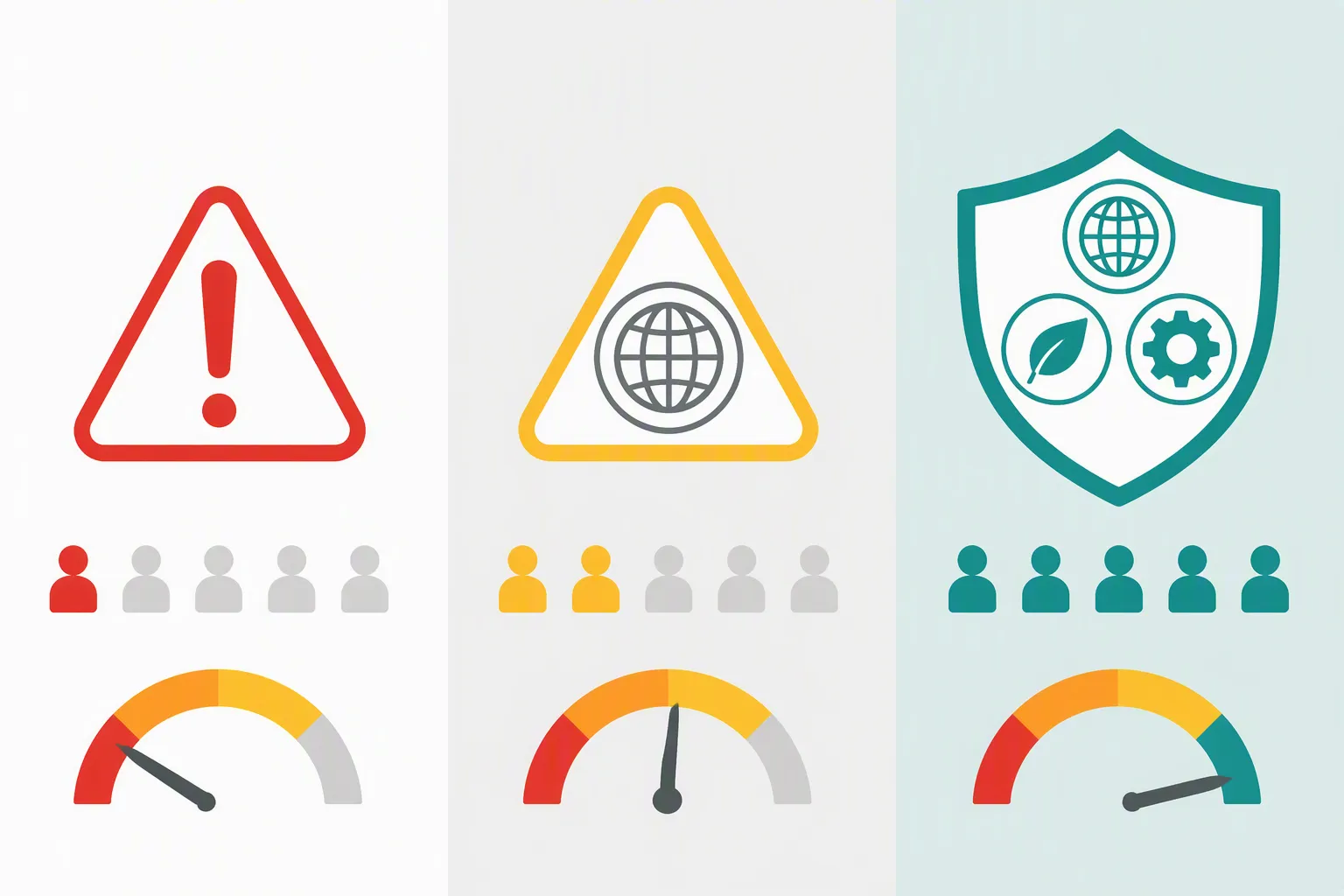
Top Supply Chain Management Certifications for Global Sourcing
Not all credentials carry equal weight in cross-border trade. Buyers should prioritize supply chain management certification types that directly correlate with export readiness, quality consistency, and regulatory compliance.
ASCM/APICS Credentials (CPIM, CSCP, CLTD)
These are the gold standard for individual professional competency.
- CPIM (Certified in Planning and Inventory Management): Validates mastery of internal production planning. Crucial for OEM partners managing complex BOMs and MRP systems.
- CSCP (Certified Supply Chain Professional): Covers end-to-end global supply chain strategy. Essential for factories handling direct-to-consumer fulfillment or complex cross-border logistics.
- CLTD (Certified in Logistics, Transportation and Distribution): Focuses on outbound logistics. Vital for suppliers offering DDP shipping or managing overseas warehousing.
When a Chinese factory lists staff with these credentials, it indicates investment in human capital beyond basic labor. It suggests the ability to communicate in the technical language of Western supply chains rather than relying solely on translation.
Facility and System Certifications
- ISO 9001: Quality management baseline. Verify scope includes "manufacturing of [specific product]" rather than generic consulting.
- ISO 14001: Environmental management. Increasingly required by EU buyers and sustainable DTC brands.
- BSCI / SMETA / SA8000: Social compliance audits. Non-negotiable for brands selling through Amazon, Walmart, or TikTok Shop to avoid reputational risk.
- IATF 16949: Automotive-specific quality standard. Relevant even for non-auto parts requiring high-precision tolerance control.
Digital and AI-Native Verification
Emerging supply chain management certification now includes platform-level verification. Link4a’s Inbox AI handles 24/7 multilingual inquiries, creating an audit trail of communication responsiveness that serves as a behavioral certification. Unlike static ISO certificates, this dynamic verification reflects current operational reality. Factories integrated into such AI-native workflows demonstrate adaptability to modern commerce speeds, a critical trait for TikTok creators needing rapid sample turnaround and production agility.
How to Obtain and Verify Supply Chain Management Certification
Understanding the acquisition and verification process protects buyers from fraudulent claims. Supply chain management certification fraud remains prevalent in cross-border sourcing, making independent validation essential.
For Suppliers: The Path to Certification
Chinese factories typically pursue supply chain management certification through accredited bodies like SGS, TÜV Rheinland, or Bureau Veritas. The process involves gap analysis, system implementation, internal audits, and third-party certification audits. Timeline ranges from 3-12 months depending on starting maturity. Costs vary significantly; ISO 9001 might cost ¥20,000-¥50,000 while comprehensive BSCI audits run higher. Buyers should ask suppliers for audit reports dated within the last 12 months, not just certificate copies.
For Buyers: Verification Protocols
Never accept a certificate at face value. Implement this verification workflow:
- Check Accreditation Body: Ensure the certifier is recognized internationally (e.g., UKAS, ANAB, CNAS).
- Validate Certificate Number: Use the issuing body’s online database to confirm active status and scope.
- Review Audit Reports: Request full audit reports, not summary certificates. Look for non-conformities and corrective actions.
- Cross-Reference Digital Footprint: Use tools like Link4a’s Match engine to compare claimed certifications against actual operational outputs. A factory claiming ISO 9001 but showing inconsistent quality metrics in digital records warrants deeper investigation.
- On-Site or Virtual Audit: Supplement documentation with visual verification. AI-native platforms increasingly offer virtual factory tours integrated with certification data.
When to Require Supply Chain Management Certification in Procurement
Timing matters. Requiring supply chain management certification too early may exclude capable emerging suppliers; requiring it too late exposes your brand to unacceptable risk.
Pre-Qualification Stage
Use basic supply chain management certification (business license, ISO 9001) as initial filters when building longlists via matchmaking engines. Link4a’s 3-second match capability allows rapid screening of hundreds of suppliers against certification criteria before human engagement begins. This prevents wasting time on fundamentally non-compliant vendors.
Sampling and Development Phase
During sampling, evaluate functional supply chain management certification through performance testing. Does the supplier’s claimed quality system actually produce consistent samples? Are engineering change orders processed systematically? This behavioral validation often matters more than wall certificates. Use Inbox AI to track communication patterns during this phase; responsive, structured communication correlates strongly with certified management systems.
Mass Production and Scaling
Before committing to volume orders, require comprehensive supply chain management certification including social compliance and financial stability audits. For DTC operators scaling through TikTok virality, verify production capacity certifications against peak demand scenarios. A factory certified for 10,000 units/month cannot safely handle 50,000-unit spikes without quality degradation. Link4a’s Sitebox integration allows real-time inventory syncing, providing dynamic visibility into whether certified capacity matches actual availability.
Benefits of Integrating Certified Supply Chains with AI Infrastructure
Modern supply chain management certification delivers maximum ROI when integrated with digital infrastructure rather than treated as standalone compliance.
Accelerated Time-to-Market
Certified suppliers integrated into AI-native platforms reduce onboarding friction. Standardized processes mean faster tech pack interpretation, quicker sample approval, and smoother production handoffs. Brands using Link4a report deploying brand-ready sites with verified supplier catalogs in under 30 minutes through Sitebox, compressing traditional sourcing timelines from months to days.
Enhanced Buyer Trust and Conversion
Displaying verified supply chain management certification on product pages increases conversion rates. Modern consumers, especially Gen Z TikTok audiences, actively seek transparency. Link4a’s Reach engine distributes certification-backed content across SEO, GEO, and social channels, turning compliance into discoverable marketing assets. This transforms supply chain management certification from cost center to revenue driver.
Resilient Risk Management
AI-native platforms provide continuous monitoring that static certifications cannot. While annual audits capture point-in-time snapshots, systems like Inbox AI and Match provide real-time operational intelligence. This creates a living supply chain management certification ecosystem where trust is continuously earned and verified, not merely asserted annually.
Actionable Next Steps for Sourcing Professionals
Evaluating supply chain management certification requires moving beyond checkbox compliance toward integrated verification. Start by auditing your current supplier base against the credential hierarchy outlined above. Identify gaps where critical suppliers lack necessary certifications or where existing certificates lack digital verification.
For buyers ready to streamline this process, leverage AI-native infrastructure that embeds certification verification into sourcing workflows. Test Link4a’s Match engine to screen suppliers by certification status in seconds, use Inbox AI to assess communication maturity during inquiries, and deploy Sitebox to launch verified supplier catalogs rapidly. These tools transform supply chain management certification from administrative burden into competitive advantage.
Request a demo to see how AI-native verification integrates with your sourcing workflow: https://link4a.com