Best Wholesalers China: Complete Sourcing Guide for US Buyers (2026)
Best Wholesalers China: Complete Sourcing Guide for US Buyers (2026)
Best Wholesalers China in United States — Market Overview
The United States remains the single largest destination market for Chinese wholesale exports. Industry estimates suggest that American businesses import hundreds of billions of dollars in goods from China annually — from consumer electronics and apparel to industrial components and private-label CPG products. That volume is not driven by a single buyer type; it spans Fortune 500 procurement teams, Amazon FBA sellers running seven-figure operations, DTC Shopify brands, TikTok Shop creators scaling on-trend inventory, and Main Street retailers sourcing seasonal merchandise. The breadth of this buyer base makes the search for the best wholesalers in China both critically important and genuinely complex.
Demand drivers in the US context are shifting fast. The rise of TikTok Shop and social commerce has created an entirely new class of US buyer — creators and DTC operators who need a verified Chinese supply chain but lack the sourcing infrastructure of a traditional importer. At the same time, nearshoring anxiety and post-pandemic supply chain disruptions have pushed established importers to re-evaluate their supplier rosters, prioritizing factories with proven export compliance, diversified logistics networks, and digital communication capabilities. This creates a window for Chinese suppliers who can demonstrate reliability and transparency upfront.
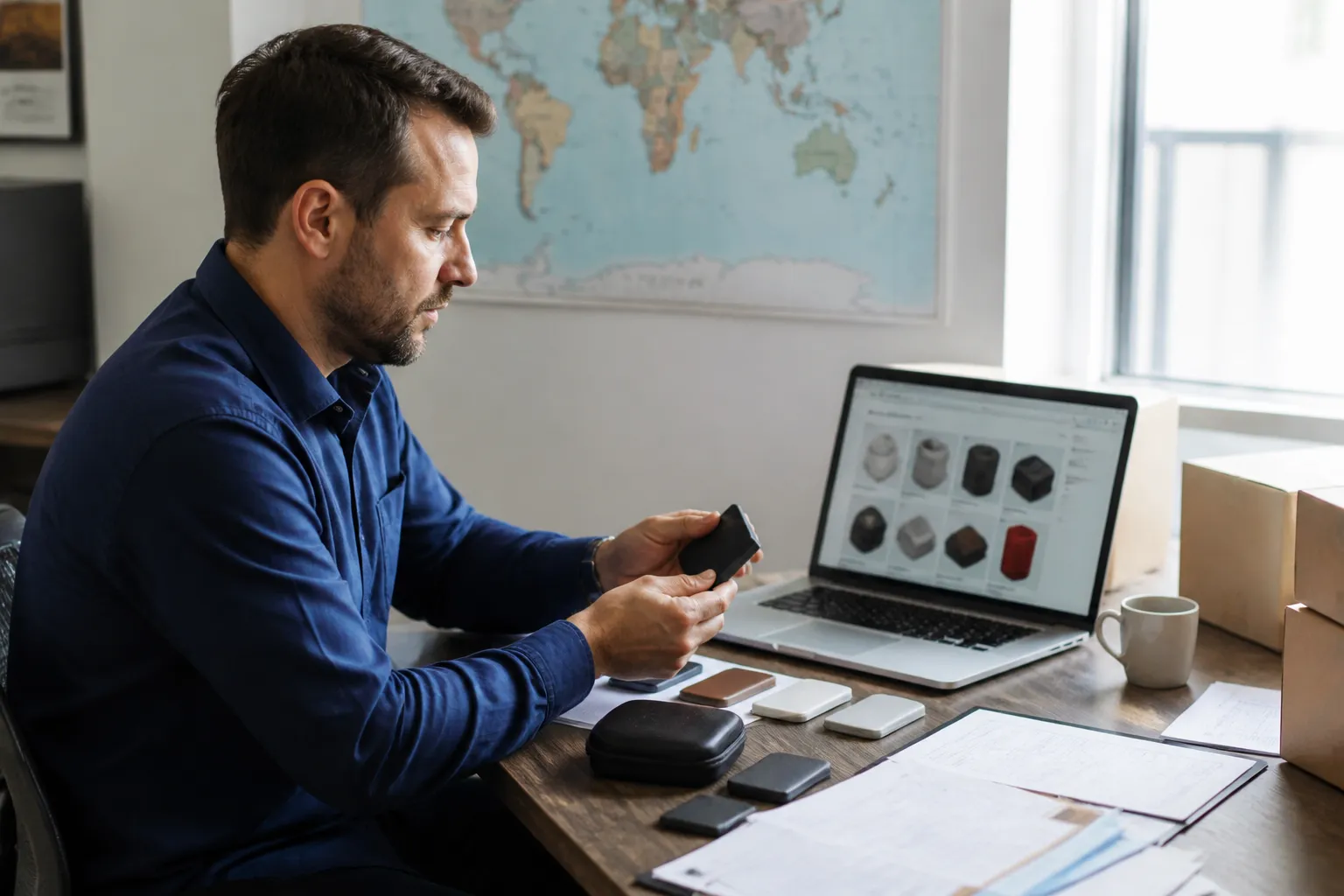
Common US buyer profiles break into three tiers. Volume importers — retailers, distributors, and Amazon aggregators — typically source Full Container Loads (FCL) and negotiate directly with OEM/ODM factories in Guangdong, Zhejiang, and Fujian. Mid-market sourcing teams work with trading companies or sourcing agents to aggregate smaller volumes across multiple factories. Emerging DTC and creator-economy buyers need low minimum order quantities (MOQ), fast sampling, and digital-first supplier communication — often working entirely remotely without ever visiting a trade show. Knowing which tier you belong to shapes which wholesale channels and platforms you should prioritize.
What's Specific About the United States
Sourcing from Chinese wholesalers as a US-based buyer comes with a distinct regulatory and compliance stack that does not apply to buyers in other regions.
Trade Policy & Tariffs: Section 301 tariffs (administered by the US Trade Representative) impose additional duties on a wide range of Chinese-origin goods, with rates that vary by HTS code. As of 2026, many product categories carry a 25% additional tariff, while some consumer electronics and strategic goods carry higher rates. Before committing to any wholesale order, US buyers must calculate their landed cost including these tariffs — not just the FOB price. The US Customs and Border Protection (CBP) enforces Country of Origin rules aggressively, so buyers should request factory documentation confirming that production (not just finishing) occurs in China.
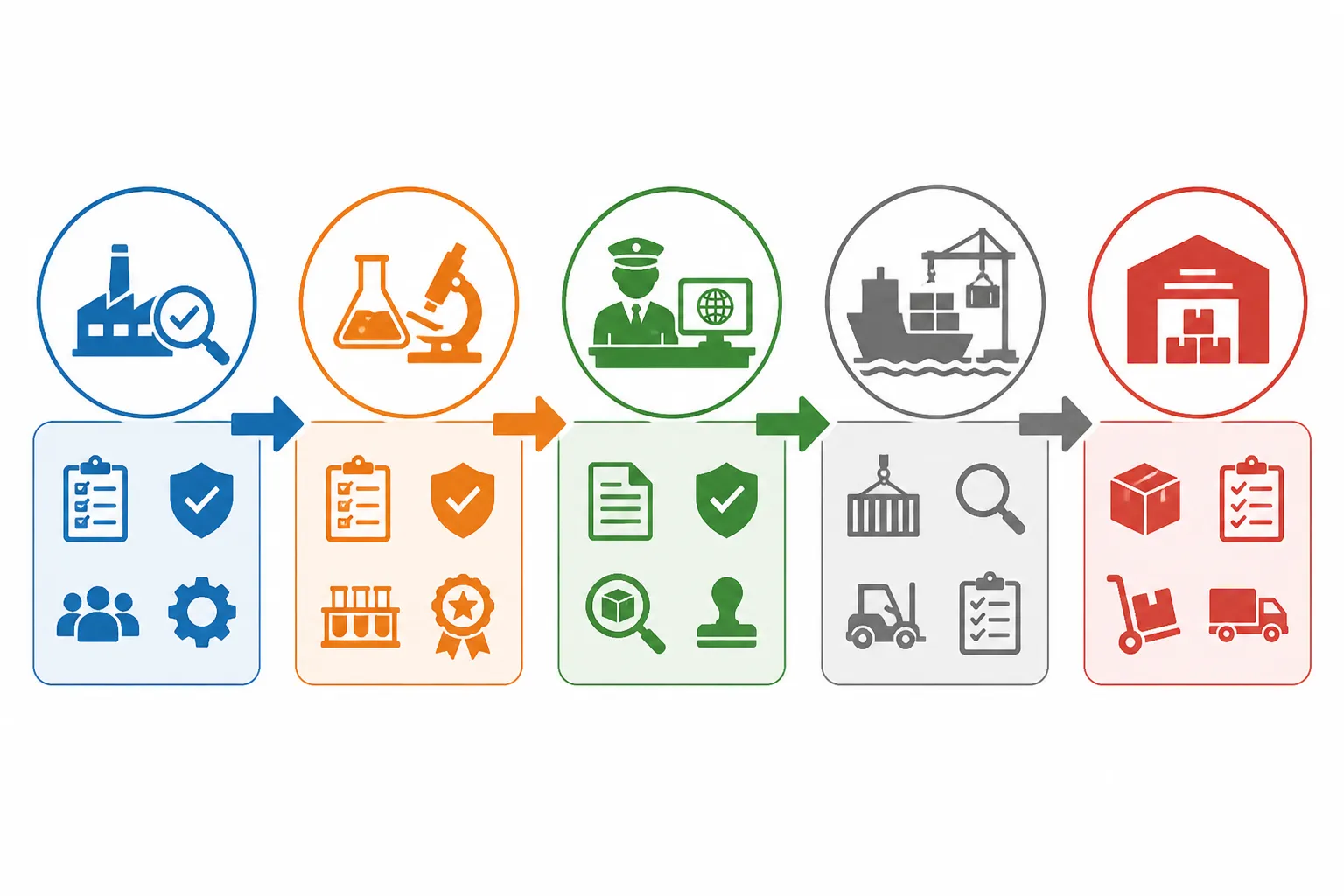
Product Compliance: The Consumer Product Safety Commission (CPSC) governs product safety standards for goods sold to American consumers. Categories like children's toys, electronics, and textiles have mandatory testing and labeling requirements. Similarly, the FCC regulates electromagnetic emissions for electronics, and the FDA oversees food, cosmetics, and certain health products. When evaluating Chinese wholesalers, US buyers should require Certificates of Conformity (CoC), third-party test reports from CPSC-recognized labs (such as SGS, Bureau Veritas, or Intertek), and any FCC ID documentation for electronic products.
Payment Methods: US buyers typically prefer wire transfers (TT), PayPal for small orders, or trade finance instruments like Letters of Credit (L/C) for large FCL orders. Platforms like Alibaba offer Trade Assurance, which provides payment protection for platform-mediated transactions. Savvy buyers negotiate 30% deposit with 70% balance against Bill of Lading — a standard arrangement that protects both parties.
Cultural & Communication Norms: US buyers expect fast, professional English-language communication. Response time is a key trust signal — a factory that takes 48 hours to reply to an RFQ is often filtered out early. US buyers also tend to be more direct in negotiations than buyers from other cultural contexts; Chinese suppliers who have invested in Western-facing sales infrastructure typically perform better in the US market.
How to Choose a Best Wholesalers China Provider in United States
Evaluating Chinese wholesalers from a US base requires a framework that goes beyond price.
Verify Export Credentials: Your supplier should hold a valid Import and Export License issued by China's Ministry of Commerce (MOFCOM). Ask for their Unified Social Credit Code — China's business registration identifier — and cross-reference it. Factories exporting to the US should also be familiar with US customs documentation, including Commercial Invoices, Packing Lists, Bills of Lading, and any required certificates.
Assess On-the-Ground Presence and Audit Trail: The best Chinese wholesalers for US buyers are either audited by a recognized third party (Sedex, BSCI, or a major retailer's supplier program) or willing to facilitate a factory audit. If you cannot visit in person, platforms that offer verified video factory tours or AI-powered supplier matching with transparency data give you a meaningful edge.
Time-Zone Coverage: China Standard Time (CST) is 12–15 hours ahead of US time zones. Suppliers with a dedicated customer service team that covers at least partial US business hours — or who deploy 24/7 AI-powered inquiry tools — dramatically reduce the friction of remote sourcing. This is increasingly a differentiator, not a luxury.
Language Support: Your point of contact should communicate fluently in English through the full procurement cycle: RFQ, sampling, production updates, QC reports, and after-sales issues. Misunderstandings at the specification stage are the leading cause of costly production errors.
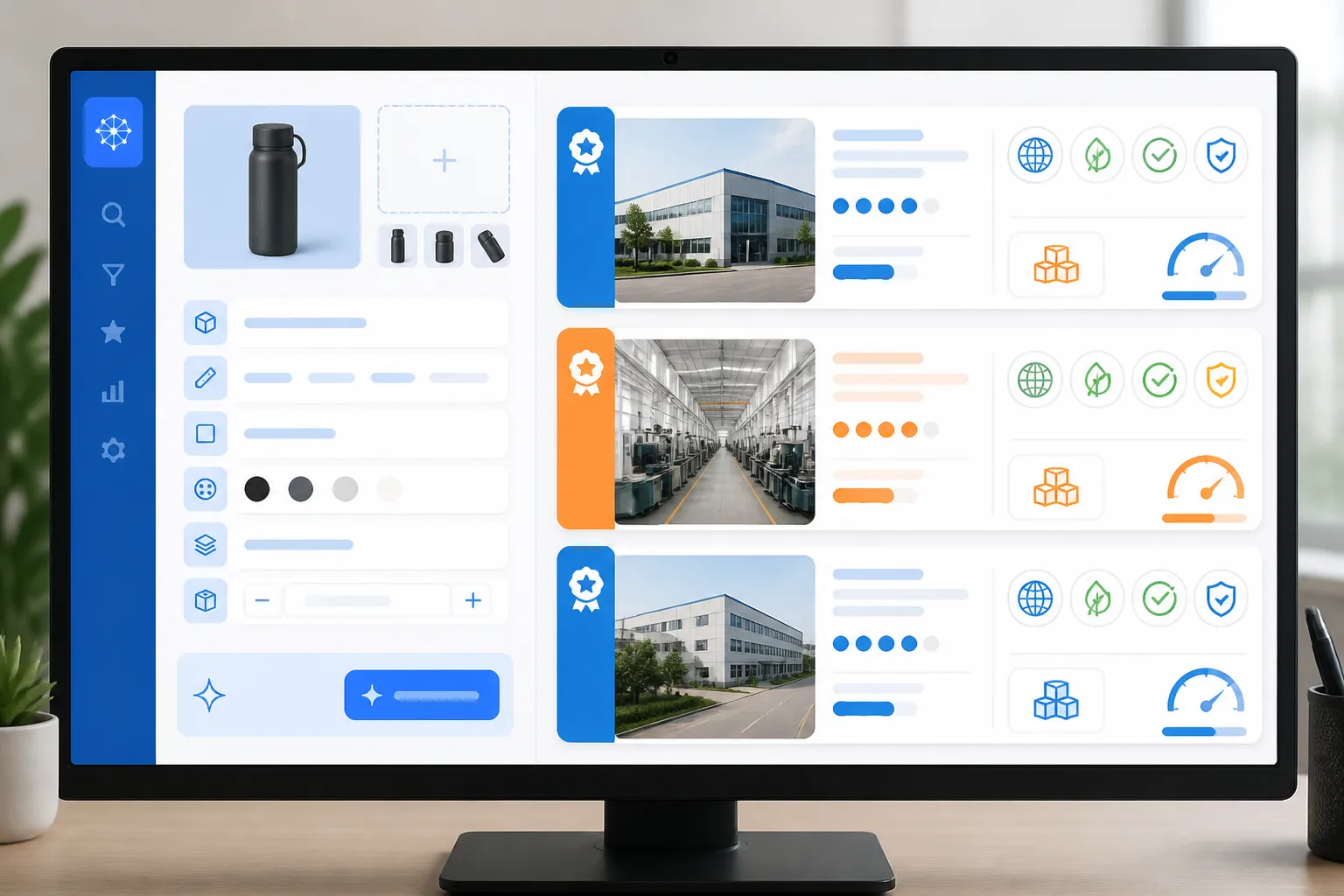
Platform-Enabled Matchmaking: Rather than cold-browsing directory listings, US buyers increasingly use AI-powered supplier matching tools to shortlist verified factories in under minutes. Link4a's Match engine, for example, identifies supplier matches in an average of 3 seconds, drawing from a network of 300+ verified factories — cutting the typical sourcing research cycle from weeks to hours.
Pricing in United States
Wholesale pricing from China is quoted in USD (FOB China port) in virtually all B2B transactions with US buyers. What you actually pay — your landed cost — includes FOB price + ocean/air freight + US customs duties (including Section 301 tariffs) + inland drayage + any third-party inspection fees.
Typical Price Drivers:
- Order Volume: MOQ tiers directly impact unit price. A buyer ordering 500 units pays a meaningfully higher per-unit cost than one ordering 5,000 units. When comparing supplier quotes, always normalize to the same MOQ tier.
- Product Complexity: OEM/ODM products with custom tooling, packaging, or proprietary components carry NRE (Non-Recurring Engineering) costs — typically a one-time tooling fee ranging from a few hundred to several thousand dollars, amortized across the initial production run.
- Material and Certification Costs: Products requiring CPSC testing, FCC certification, or FDA registration carry higher compliance costs that legitimate suppliers will pass through. Be cautious of unusually low prices that don't account for these costs — it is often a sign of non-compliant production.
- Freight Market Conditions: Transpacific ocean freight rates are volatile. FCL rates from major Chinese ports (Shenzhen, Shanghai, Ningbo) to US West Coast ports (Los Angeles, Long Beach) fluctuate significantly based on global demand. LCL (Less than Container Load) shipments carry additional consolidation fees.
As a rough benchmark, US importers typically target a 5–10x landed-cost-to-retail multiplier for consumer goods sold DTC, and a 2–4x multiplier for wholesale-to-retail channels. These are industry-of-thumb figures; your actual margins depend on category, channel, and competition.
Common Challenges for US Buyers Sourcing from Chinese Wholesalers
Logistics and Customs Delays
US Customs and Border Protection (CBP) has intensified examination of Chinese-origin shipments. Incomplete documentation, HTS code misclassification, or missing certifications can result in holds, exams, or seizures. Buyers should work with a licensed US Customs Broker and ensure suppliers provide clean, consistent documentation on every shipment.
Supplier Reliability and Quality Consistency
The most common complaint from US buyers is not price — it's inconsistency. A factory that delivers excellent quality on the sample and first production run may cut corners on subsequent orders. Mitigation strategies include: pre-shipment inspections by a third-party QC firm (SGS, QIMA, Asia Quality Focus), clear AQL (Acceptable Quality Level) standards written into the purchase order, and retention of a percentage of payment until QC is passed.
Intellectual Property and Brand Protection
US buyers developing private-label or branded products in China face IP risk. Register your trademark in China (through CNIPA, China's National Intellectual Property Administration) before sharing detailed specifications with potential suppliers. NDA agreements, while enforceable in principle, are less reliable than structural IP protection in Chinese legal practice.
Communication and Specification Gaps
Technical specifications lost in translation — dimensions in different units, color standards without Pantone references, material grades not specified by ASTM or ISO standard — are a root cause of production errors. US buyers should provide bilingual spec sheets and request factory sign-off on translated specifications before production begins.
Regulatory Compliance Traps
Regulations change. CPSC updates its standards, FTC modifies labeling requirements, and trade policy shifts. Buyers who have not built compliance checkpoints into their sourcing workflow are exposed to recalls, customs holds, and marketplace delisting. Staying current with CPSC's recall database and working with a compliance consultant for your product category is standard practice among serious US importers.
Frequently Asked Questions (United States-Specific)
Q: Do I need a US import license to buy wholesale from China? A: There is no general "import license" required for most goods. However, certain regulated categories — firearms, food, drugs, alcohol, and some agricultural products — require specific permits from agencies including the FDA, ATF, or USDA. For standard consumer goods, your primary obligations are accurate customs entry filing (typically handled by a customs broker) and payment of applicable duties.
Q: How do Section 301 tariffs affect my landed cost from Chinese wholesalers? A: Section 301 tariffs are assessed as a percentage of the customs value of the goods, in addition to standard MFN duty rates. Rates vary by HTS code — some consumer goods carry 25%, while others carry higher rates. Always look up your product's HTS code on the USITC Harmonized Tariff Schedule and account for the 301 tariff in your landed cost calculation before negotiating FOB price.
Q: What is a reasonable MOQ when buying from Chinese wholesalers as a US buyer? A: MOQ varies significantly by product category and factory size. Trading companies and platforms often offer lower MOQs (50–200 units) by aggregating orders across multiple buyers. Direct factory relationships typically start at higher volumes. When evaluating a supplier, ask specifically: "What is your MOQ for our target SKU?" and "Is there a price break at [your target volume]?"
Q: How do I verify a Chinese supplier is legitimate before sending payment? A: Request the supplier's Business License (营业执照) and Import/Export License. Cross-check their Unified Social Credit Code. Ask for third-party audit reports or trade references from other US buyers. Use platform-based escrow or Trade Assurance where available. For significant orders, engage a sourcing agent or third-party verification service to conduct a factory audit before committing funds.
Q: What shipping method should I use for my first wholesale order from China? A: For initial small orders or samples, air express (DHL, FedEx, UPS) is the fastest and most trackable option, though expensive per kg. For larger LCL or FCL shipments, ocean freight via a freight forwarder is standard. Expect transit times of 14–35 days from Chinese ports to US coasts depending on routing. Always use a freight forwarder familiar with US CBP requirements.
Q: How do I handle quality control for orders I can't inspect in person? A: Hire a third-party inspection company (QIMA, SGS, Bureau Veritas, or similar) to conduct a Pre-Shipment Inspection (PSI) at the factory before goods are loaded. Provide your AQL standard and inspection criteria. This typically costs $200–$400 per inspection day and can prevent far costlier returns or rejects.
Q: Can AI tools actually help me find better Chinese wholesale suppliers faster? A: Yes — AI-powered matchmaking has materially changed sourcing speed. Tools like Link4a's Match engine can identify verified factory matches against your product requirements in seconds rather than weeks of directory browsing, with transparency data on certifications, export history, and communication responsiveness built in.
Get Started in United States — Your Next Steps
Sourcing the best Chinese wholesalers as a US buyer is a structured process, not a directory search. Here is a concrete starting sequence:
- Define your product specification — create a bilingual spec sheet (English + Simplified Chinese) with materials, dimensions, tolerances, and target certifications before contacting any supplier.
- Calculate your landed cost target — work backward from your US retail or channel price to the FOB price you can afford, accounting for freight, Section 301 tariffs, customs duties, and a QC inspection budget.
- Use AI-powered matchmaking to shortlist verified factories — rather than cold-browsing platforms, use tools that surface suppliers with documented export track records and compliance certifications relevant to your category.
- Request samples and QC reports — never skip the sampling stage. Evaluate actual production quality, not just showroom samples.
- Engage a US Customs Broker early — loop in a licensed broker before your first shipment clears. The cost of professional customs entry is trivial compared to the cost of a CBP hold.
- Build a compliance calendar — set reminders to recheck CPSC standards, FCC requirements, and FTC labeling rules annually.
Ready to connect with verified Chinese wholesalers built for the US market?
Link4a's AI-native trade infrastructure gives US buyers direct access to 300+ verified Chinese factories — with Match finding supplier fits in 3 seconds, Inbox providing 24/7 English-language inquiry support, and Reach driving ongoing pipeline so you're never dependent on a single supplier relationship.
Request a Quote / Get MOQ & Pricing → link4a.com
Whether you're placing your first wholesale order or optimizing an existing supply chain, start the conversation with a supplier network built for serious US importers.
This guide reflects the regulatory environment and market conditions as of June 2026. US trade policy and CPSC standards are subject to change; consult a licensed customs broker and compliance specialist for product-specific guidance.