China Sanctions: A U.S. Buyer's Complete Compliance Guide
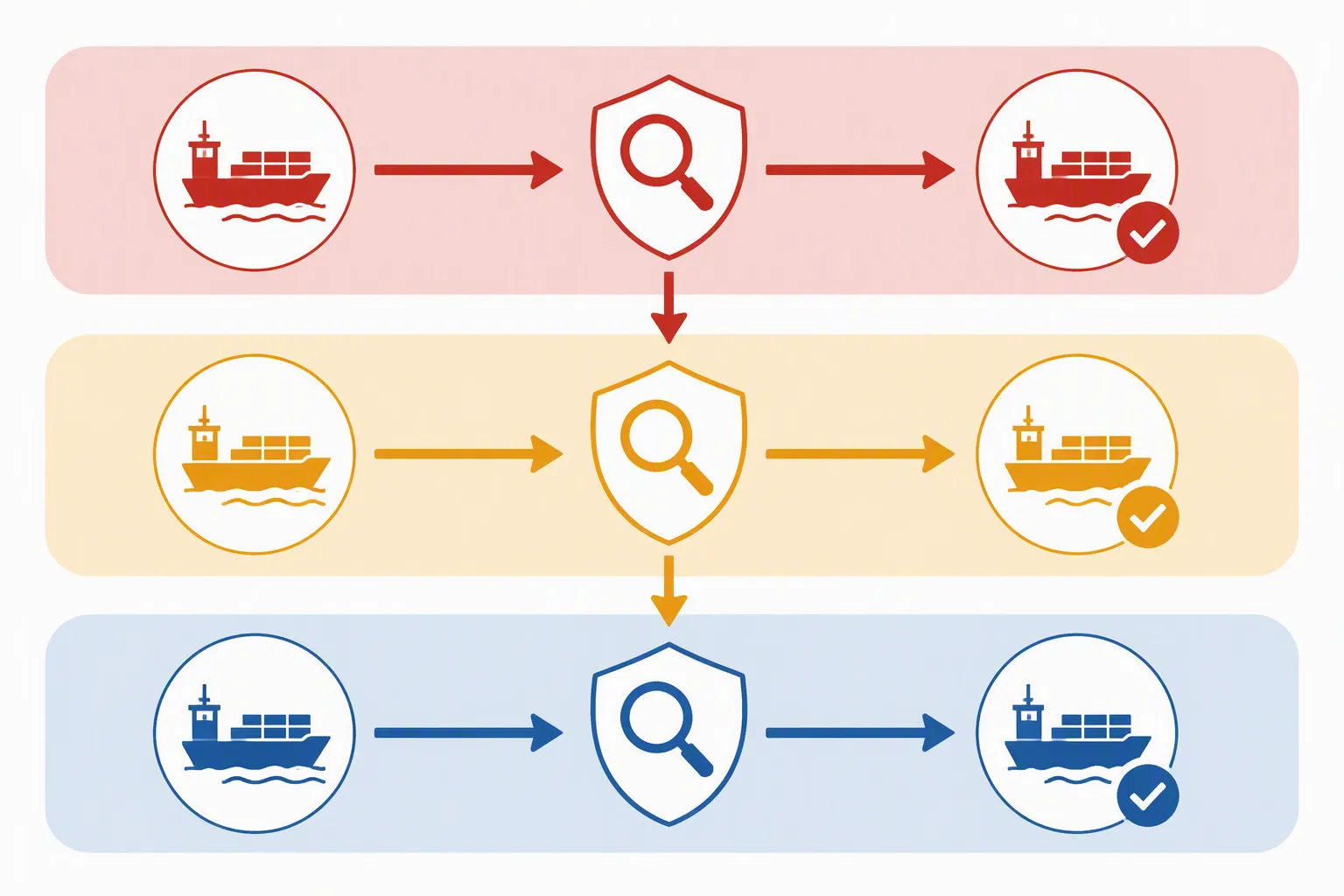
China Sanctions: A U.S. Buyer's Complete Compliance Guide
China Sanction in United States — Market Overview
U.S.-China sanctions are not a single policy. They are a layered system of executive orders, OFAC designations, entity-list additions, and Congressional acts that have accumulated over decades—and accelerated sharply since 2018. For any U.S. importer, understanding which restrictions apply to your specific suppliers and product categories is a prerequisite to legal trade, not an optional compliance step.
The Office of Foreign Assets Control (OFAC) at the U.S. Department of the Treasury administers sanctions programs that can be either comprehensive or selective, using asset freezes and trade restrictions to accomplish foreign policy and national security goals. The "Chinese Military Companies Sanctions" program—last updated on June 1, 2022—is one of the most operationally significant for importers, since it restricts investment in and transactions with designated firms, many of which have commercial subsidiaries that sell to global buyers. This is not a peripheral issue: even a small DTC store owner importing electronic components can inadvertently deal with a subsidiary of a sanctioned entity if they skip supplier verification.
Demand for clear, actionable guidance on China sanctions has grown in parallel with the complexity of the rules. U.S. importers—from Fortune 500 procurement teams to solo Amazon sellers—are all asking the same core questions: Which Chinese companies can I still import from? What documentation do I need at the border? And how do I verify a factory's ownership structure before wiring a deposit? The U.S. sanctions posture toward China also intensified in 2020, when the U.S. imposed visa restrictions and sanctions on Chinese officials and businesses citing repression of Uyghurs and other ethnic minorities in Xinjiang, the militarisation of South China Sea claims, and actions undermining Hong Kong's autonomy. Each of those policy rationales added new designations and new compliance obligations for importers. This guide breaks down what matters most for U.S. buyers in 2026.
What's Specific About the United States
The U.S. sanctions framework targeting China is administered by multiple agencies simultaneously, which is what makes it unusually complex compared to European or Southeast Asian regulatory environments. Three agencies carry most of the operational weight for importers.
OFAC (Office of Foreign Assets Control) maintains the Specially Designated Nationals (SDN) list and the Non-SDN Chinese Military-Industrial Complex Companies (NS-CMIC) list. Transacting with an SDN is a strict-liability offense—intent is irrelevant. The NS-CMIC list, while less absolute in its prohibitions, restricts U.S. persons from purchasing publicly traded securities of listed companies, which affects investors and corporate buyers alike.
BIS (Bureau of Industry and Security, under Commerce) maintains the Entity List and the Military End-User list. Export controls operate partly in reverse for importers: a factory on the BIS Entity List may face restrictions on receiving U.S.-origin technology, which affects supply-chain due diligence even if it doesn't directly prohibit your import.
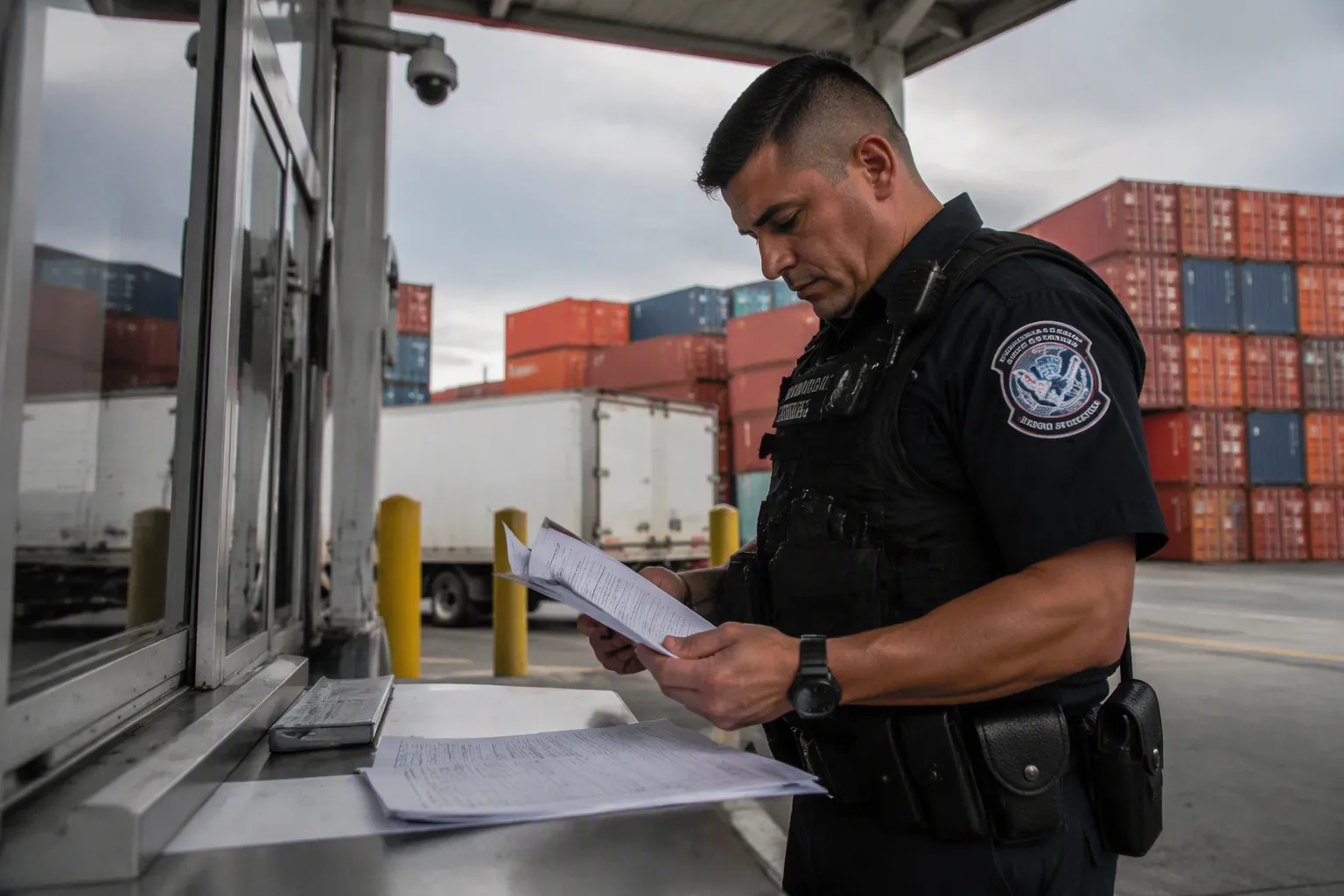
CBP (Customs and Border Protection) enforces Withhold Release Orders (WROs) at the border. The Uyghur Forced Labor Prevention Act (UFLPA), which came into force in June 2022, established a rebuttable presumption that goods produced in Xinjiang—or by entities on the UFLPA Entity List—are made with forced labor and therefore inadmissible. The burden of proof falls on the importer. In practice, this means a shipment of cotton apparel, polysilicon solar panels, or tomato paste with any Xinjiang connection can be detained at port, and the importer must produce full supply-chain traceability documentation to secure release.
On the cultural and business norms side, U.S. buyers expect written contracts in English, clear payment terms (Net 30/60/90 for established relationships, or T/T wire transfer and letter of credit for new suppliers), and communication during U.S. business hours. Chinese factories, by contrast, tend to operate on WeChat, may have limited English capacity, and observe Golden Week and Chinese New Year closures that can run 10–14 days. These gaps—in language, timezone, and platform—are where most sourcing deals break down before a compliance issue even enters the picture.
Payment methods in U.S.-China import trade are conventionally T/T (telegraphic transfer) with a 30% deposit before production and 70% before shipment, or documentary letters of credit (DLC) for larger orders. Alibaba Trade Assurance covers small orders. Cryptocurrency requests from a supplier should raise flags: vetted factories do not require it.
How to Choose a China Sanction Compliance Provider in United States
U.S. buyers who need help navigating China sanctions are looking for a specific combination of skills: legal knowledge of U.S. import and export controls, on-the-ground access to Chinese factory records, and the ability to communicate in Mandarin to obtain the documentation that CBP or OFAC actually expects.
Here is what to evaluate before engaging any compliance service or sourcing partner.
Sanctions database coverage: Does the provider screen against OFAC's SDN list, the NS-CMIC list, the BIS Entity List, and the UFLPA Entity List? The OpenSanctions China dataset—last processed on September 8, 2026—aggregates designations from China's own Ministry of Commerce, Ministry of Foreign Affairs, and Taiwan Affairs Office, covering 908 entities including 245 companies, 162 people, and 36 organizations across 19 countries. Crucially, it is a research tool, not a definitive compliance check—the dataset itself notes it is non-official. A credible provider screens both U.S. and Chinese-side designations, because China's Anti-Foreign Sanctions Law creates a mirror risk: your Chinese supplier could itself be prohibited from working with your company if you appear on China's Counter-Measures List.
Factory-level due diligence, not name matching: Screening a company name is insufficient. Chinese companies frequently operate through subsidiaries, affiliated factories, and holding structures. You need a provider capable of verifying the actual legal entity registered at a specific factory address—which requires Chinese-language business registry access (via SAMR/GSXT).
UFLPA traceability capability: If you import any product in high-risk categories (cotton, polysilicon, aluminum, tomato products, hair products), your provider must be able to produce a multi-tier supply-chain map from raw material origin through to the shipment.
U.S. business-hours coverage: Sanctions compliance questions are time-sensitive. A 12–15-hour timezone gap routinely delays shipment release decisions. A provider with U.S.-based team members or dedicated overlap hours is not a luxury; it is an operational requirement.
Verifiable track record: Ask for specific case outcomes, not testimonials. A sourcing partner like Link4a publishes verifiable ranking data—17 of 60 product pages ranking first on U.S. Google as of August 31, 2026—rather than making unverifiable promises. Apply the same standard to compliance providers.
For a full breakdown of supplier verification steps in the broader import context, see China Import for U.S. Buyers: Sourcing, Tariffs & Supplier Verification.
Pricing in United States
Compliance costs in U.S.-China trade fall into distinct categories. Understanding what you are paying for helps avoid both under-spending (and the legal exposure it creates) and paying for services your product category doesn't require.
Sanctions screening subscriptions: Automated screening tools for small importers typically start from around $50 per month for combined SDN/Entity List/UFLPA checking against a supplier list, with more comprehensive plans reaching several hundred dollars monthly. Enterprise-grade platforms used by customs brokers and freight forwarders charge significantly more and cover broader global watchlists. These costs have risen as the lists have grown longer.
Customs broker fees: A licensed customs broker handling a standard China import entry typically charges a base fee starting in the mid-double digits per entry. UFLPA-related holds change that math fast: document preparation and CBP submission for a detained shipment can easily reach into the thousands of dollars, depending on complexity and how many supply-chain tiers need documentation.
Factory audit costs: An on-site social compliance or supply-chain audit at a Chinese factory generally starts from several hundred dollars per audit day and scales upward depending on the audit standard (SMETA, BSCI, or a custom protocol). Audits required for UFLPA traceability tend to be more intensive and may require multiple site visits across the supply chain.
Sourcing partner commissions: Commission-only sourcing partners—where fees are charged only on closed orders, not upfront—are the lower-risk entry point for small and mid-sized importers. The model aligns the partner's incentive with the buyer's: they earn only when you successfully import. This is structurally different from paying a retainer to a compliance firm that charges whether or not a deal closes.
What drives costs up in 2026 specifically is the UFLPA enforcement intensity. Importers in high-risk categories are incurring port storage fees, legal costs for CBP submissions, and in some cases cargo re-export fees when a detention becomes a denial. The most cost-effective approach is upstream: knowing before you book a shipment that your supplier chain is clean. Treating the gate as a document check rather than a sourcing filter is the mistake that turns compliance from a routine subscription into a five-figure problem.
Common Challenges for Buyers in United States
Distinguishing Sanctioned Entities from Their Commercial Affiliates
The most common compliance mistake U.S. importers make is checking the trading company name and missing the parent entity. A designated military-industrial firm may have a wholly-owned commercial subsidiary with a different name that manufactures consumer electronics or industrial components. The subsidiary may not itself appear on any list, but transacting with it can still create legal risk depending on the ownership threshold and the specific OFAC program. This has been the basis for enforcement actions—not just a theoretical risk. Running the English trade name through a watchlist database is the beginning of due diligence, not the end.
UFLPA Detention at Port
Since June 2022, CBP has detained thousands of shipments under the Uyghur Forced Labor Prevention Act. The rebuttable presumption means goods are presumed tainted until the importer proves otherwise—and the documentation burden is substantial: purchase orders, payment records, and production records from each supply-chain tier. Importers who had not built documentation habits before the law took effect found themselves unable to clear shipments they had already paid for. The cost is not only the delay; it is the warehousing fees that accumulate while you compile records from factories that may have limited English and no prior compliance experience.
China's Mirror Sanctions and the Double Bind
The U.S.-China sanctions relationship is not one-directional. According to the MERICS analysis of 39 Chinese sanctions cases between 2012 and 2023, the number of sanctions unilaterally adopted by China has risen sharply since 2018, driven by three pivotal moments: the trade conflict with the U.S., the 2021 sanctions by the EU, UK, and U.S. for Xinjiang human rights abuses, and Western sanctions on Russia. China's main tools are the Unreliable Entity List and the Anti-Foreign Sanctions Law. In April 2023, China sanctioned U.S. Congressman Michael McCaul after he met Taiwan's President—freezing any assets or property he held in China and banning Chinese organizations and individuals from carrying out any transactions with him.
For U.S. companies, this creates a practical bind: comply with U.S. law by avoiding designated Chinese entities, while monitoring whether your own company or executives could be designated by China, which would prohibit your Chinese suppliers from legally working with you. The opacity of China's sanctions regime—it does not publish structured data on targeted individuals and entities—makes this monitoring difficult by design.
Supplier Reliability Under Geopolitical Pressure
Trade tension affects supplier behavior in ways that don't appear on a sanctions list. Factories in politically sensitive provinces may reduce export capacity, shift to domestic buyers, or change banking relationships in ways that complicate wire transfers. Import volumes that seemed stable can shift quickly. This is especially visible in sectors where U.S.-China tech trade has been constrained: semiconductors, drones, and certain telecommunications equipment.
Some U.S. buyers are responding by diversifying sourcing—splitting orders between China and India, partly as a response to the shifting trade map created by Belt and Road Initiative dynamics. For most product categories, though, Chinese manufacturing capacity and pricing remain the primary deal. Better due diligence, not wholesale exit, is the practical answer for the majority of importers. See China Trade for U.S. Buyers: What You Need to Know in 2026 for a full view of the current bilateral trade relations picture.
Language and Communication Gaps
U.S.-China compliance documentation is bilingual by necessity. UFLPA submissions require Chinese-language factory records translated into English. Supplier questionnaires need to be understood and answered accurately by factory staff who may have no compliance training and no incentive to dig through four tiers of their own supply chain. An intermediary who is fluent in both languages and understands what CBP is actually looking for is what keeps a shipment moving—not a translation app.
Frequently Asked Questions (United States-specific)
Q: Can I still legally import from China in 2026?
Yes. The vast majority of Chinese factories are not on any U.S. sanctions list. U.S.-China trade restrictions are targeted, not comprehensive. Your obligation as an importer is to verify that your specific supplier and its parent entities are not designated, and that your product and supply chain comply with UFLPA requirements where applicable. Most importers who do this properly have no problem clearing goods.
Q: Where do I check if a Chinese supplier is sanctioned?
Start with OFAC's SDN List and NS-CMIC list, available through home.treasury.gov. Cross-reference with the BIS Entity List (bis.doc.gov) and the UFLPA Entity List published by CBP. The OpenSanctions China dataset is a useful research tool that combines data from China's Ministry of Commerce, Ministry of Foreign Affairs, and Taiwan Affairs Office—but it describes itself as non-official and not comprehensive, so treat it as a starting point. Always run the supplier's full legal Chinese name, not just the English trading name.
Q: What is the UFLPA and which product categories does it affect most?
The Uyghur Forced Labor Prevention Act creates a rebuttable presumption that goods produced in Xinjiang, or by entities on the UFLPA Entity List, are made with forced labor and are inadmissible to the U.S. High-risk categories identified by CBP include cotton and cotton apparel, polysilicon and solar panels, aluminum, tomato products, and hair products. If your supply chain touches Xinjiang at any tier—not just the final factory—you need full traceability documentation before your shipment arrives at a U.S. port.
Q: Does China sanction U.S. companies in retaliation, and does it affect my sourcing?
Yes, China imposes its own sanctions. The MERICS report analyzing 39 cases between 2012 and 2023 found that the great majority of Chinese sanctions target U.S. individuals or companies in response to perceived meddling regarding Hong Kong, Xinjiang, and Taiwan. China's ability to develop financial sanctions remains limited compared to OFAC's, but asset freezes, visa bans, and bans on cooperation with Chinese entities are real tools it uses. If your company or executives are publicly associated with Taiwan advocacy or Xinjiang legislation, it is worth monitoring China's official Anti-Foreign Sanctions designations.
Q: How do U.S.-China sanctions affect my payment process?
U.S. banks screen outgoing wire transfers against OFAC watchlists in real time. A payment to a supplier whose parent entity is on the SDN list may be blocked without explanation, leaving your production deposit in limbo while both you and the bank determine what happened. Verifying supplier entity status before initiating a wire transfer—rather than after—is what prevents this. An intermediary that has pre-screened the supplier reduces this risk significantly.
Q: How do India and other alternative markets fit into the China sanctions picture?
India, Vietnam, and Mexico are not subject to U.S.-China-specific sanctions, and some U.S. buyers are diversifying their import sourcing as a hedge against geopolitical risk. But third-country routing—where Chinese-origin goods are minimally processed in India or another country and re-exported to the U.S.—is a known evasion method that CBP actively monitors. Sourcing genuinely from India is legitimate; using India as a transshipment gate for Chinese-origin goods is customs fraud. The distinction matters, and CBP increasingly scrutinizes country-of-origin claims in sectors where Chinese goods face high tariffs or trade restrictions.
Q: What should I ask a sourcing partner about their sanctions compliance process?
Ask them to name the specific watchlists they screen against, describe how they verify a factory's ownership structure beyond the trading name, explain what happens if a supplier they vetted is subsequently designated, and show you how they document supplier due diligence. A sourcing partner that cannot answer these questions in concrete terms is a marketplace intermediary—not a compliance partner—and carries a different risk profile for your business.
Get Started in United States
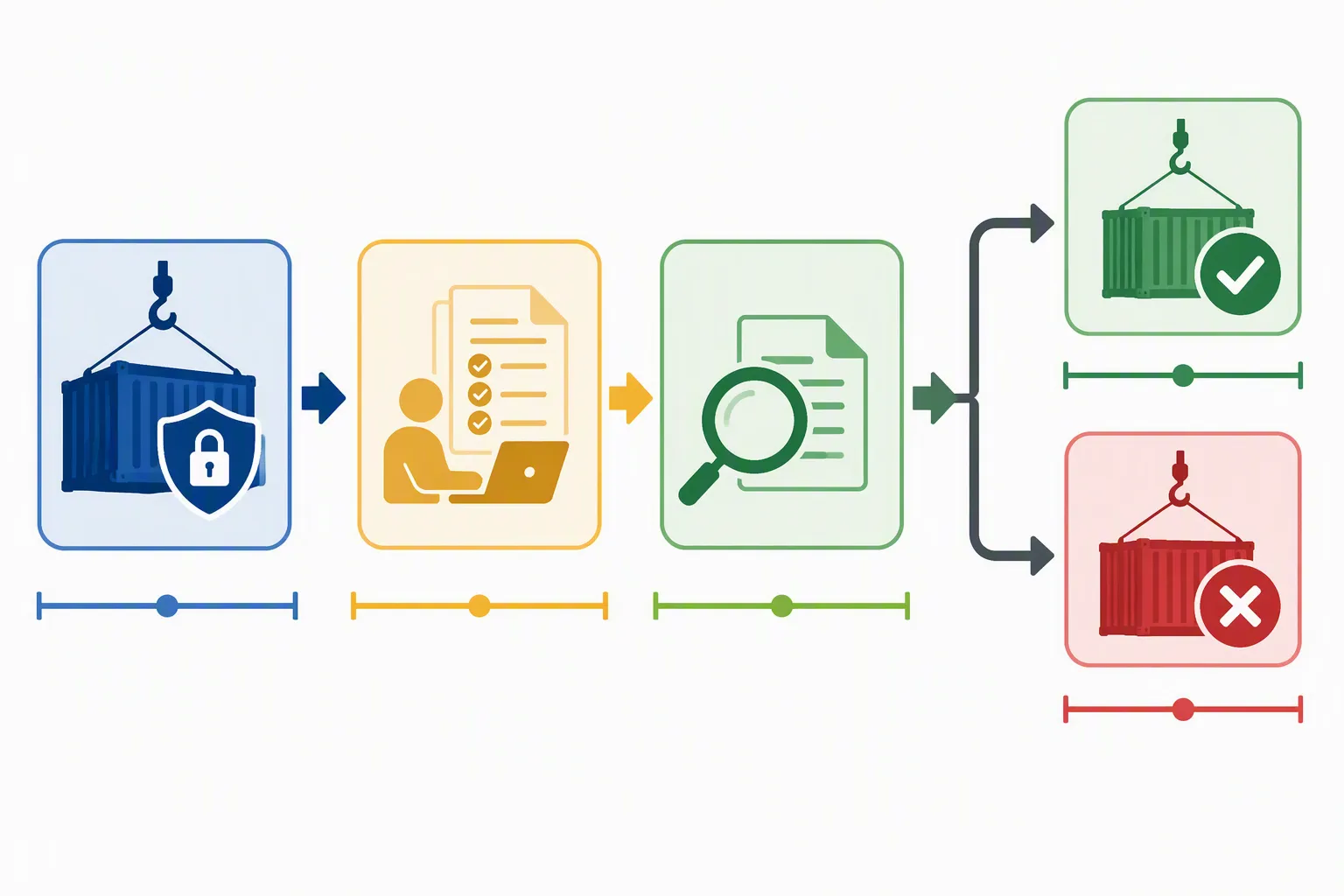
The first move is a supplier-level screen, not a product-level one. Before placing a deposit, confirm the full legal name of the Chinese entity you are contracting with, run it against OFAC's SDN and NS-CMIC lists and the BIS Entity List, and check whether your product category triggers UFLPA scrutiny. These three steps take less time than negotiating price—and they protect a deal that can otherwise collapse at the U.S. border after you have already paid.
If you are sourcing from China and want a partner that handles factory shortlisting, vetting, price negotiation, sample coordination, and ongoing supplier communication—at no upfront cost, with commission charged only on closed orders—Link4a works with vetted Chinese factories and manages the full buyer-factory relationship in your language. Buyer inquiries are responded to from each factory's actual in-stock catalogue, not from a generic product description, which means your compliance and procurement questions get real answers.
Ready to source from China without the compliance guesswork?
Request a Quote at Link4a → — get matched with screened suppliers for your specific product category, with no retainer and no upfront fee.