China Trade Deals Opposition: What U.S. Importers Must Know in 2026
China Trade Deals Opposition: What U.S. Importers Must Know in 2026
China Trade Deals Opposition in United States — Market Overview
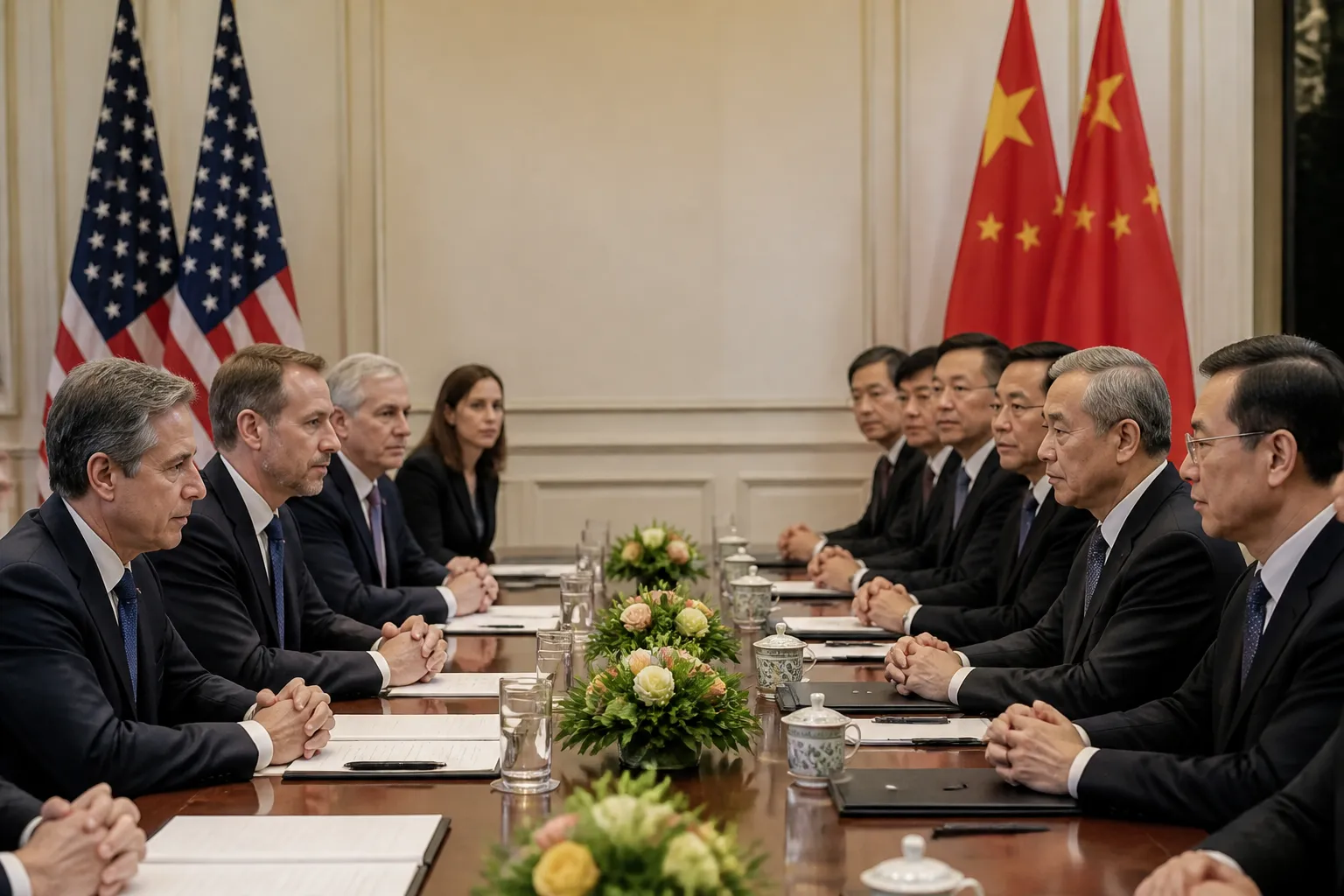
The United States occupies the center of gravity in every major discussion about China trade deals opposition. Since the first round of Section 301 tariffs took effect in 2018, the bilateral trade relationship between Washington and Beijing has been stress-tested by successive administrations, congressional pressure, and increasingly vocal domestic industry coalitions. Today, opposition to preferential arrangements that benefit China—whether expressed through tariff schedules, export controls, or diplomatic pressure on third-party nations—shapes the daily calculus of every company that sources from, sells to, or competes with Chinese manufacturers.
The sheer size of the market makes this tension consequential. The United States imported more than $420 billion in goods from China in recent years, even as headline tariff rates climbed above 100 percent on selected categories under executive actions taken in 2025. Industry estimates suggest that roughly 40 percent of U.S. small-to-medium importers still rely on Chinese supply chains for at least one core product category, despite aggressive reshoring rhetoric. Demand drivers on the sourcing side remain strong: Chinese factories offer production capacity, tooling depth, and price points that no nearshore alternative has fully replicated at scale.
Buyer profiles in this market are diverse. On one end sit large-scale importers—consumer electronics brands, furniture retailers, apparel wholesalers—whose legal and compliance teams track every Federal Register notice. On the other end are DTC (direct-to-consumer) e-commerce operators, TikTok creators building product lines, and independent brand owners who discovered Chinese OEM/ODM manufacturing through platforms but now face the same tariff and regulatory exposure as the big players. Both groups need current, accurate intelligence on where china trade deals opposition policies are heading—and what practical steps can insulate their supply chains from abrupt disruption.
What's Specific About the United States Regulatory and Market Environment
Regulatory and Compliance Landscape
The U.S. regulatory framework governing China-origin trade is layered and genuinely complex. Key instruments include:
- Section 301 tariffs (administered by the Office of the U.S. Trade Representative): The original 2018–2019 lists imposed 7.5%–25% duties on roughly $370 billion in Chinese goods. Executive actions in 2025 escalated rates on targeted categories—solar cells, electric vehicles, steel, and semiconductors—to levels that effectively function as import prohibitions.
- Section 232 tariffs: National-security-based duties on steel and aluminum that apply to Chinese-origin material even when processed through third countries, a provision designed specifically to prevent tariff circumvention.
- Entity List and Export Administration Regulations (EAR): Maintained by the Bureau of Industry and Security (BIS), the Entity List restricts U.S. companies from exporting controlled technology to listed Chinese firms. Buyers sourcing from firms on or adjacent to the list face due-diligence obligations.
- Uyghur Forced Labor Prevention Act (UFLPA): Enacted in 2022, the UFLPA creates a rebuttable presumption that goods with supply chain links to Xinjiang were produced with forced labor. U.S. Customs and Border Protection (CBP) actively enforces UFLPA detention orders; importers bear the burden of proof.
- de minimis reform: Congressional opposition to the $800 de minimis threshold—historically a major advantage for Chinese cross-border e-commerce—has produced legislative proposals and executive guidance that narrowed or suspended de minimis for Chinese-origin parcels in 2025.
For Chinese exporters, understanding this stack of rules is non-negotiable. Compliance failures don't just mean delayed shipments; they mean goods stranded at port, fines, and potential debarment from U.S. commerce.
Cultural and Language Considerations
American buyers negotiate differently from buyers in other major markets. Directness is expected: a vague reply to a product specification question reads as evasiveness rather than politeness. Contracts are enforceable and routinely litigated; verbal commitments carry far less weight than in relationship-driven markets. English-language communication is the baseline expectation at every stage—RFQ, sample approval, production update, dispute resolution. Exporters who cannot staff 24/7 English inquiry response lose deals to competitors who can, regardless of price.
Common Payment Methods
U.S. importers typically transact via wire transfer (T/T), documentary letters of credit (L/C) for large orders, and—increasingly—B2B payment platforms integrated with trade finance. Credit card and PayPal remain common for sample orders. Buyers sophisticated enough to be sourcing directly from Chinese factories generally expect 30% deposit / 70% balance against bill of lading, though terms are negotiable based on relationship history and order volume.
How to Choose a China Trade Deals Opposition Navigation Partner in the United States
Given how rapidly the regulatory environment shifts, U.S.-based importers and Chinese exporters alike need reliable partners—not just brokers or marketplaces—who can operate at the intersection of trade policy intelligence and operational execution. Evaluating a provider in this context means asking specific questions.
Licensing and legal standing: Does the platform or service provider operate within U.S. legal frameworks? For customs brokerage functions, look for a licensed Customs Broker accredited by CBP. For trade advisory, verify whether the firm has U.S.-registered entities and can be held accountable under American commercial law.
On-the-ground presence and time-zone coverage: China Standard Time (CST) is 12–13 hours ahead of U.S. Eastern Time. A supplier or platform that only staffs business hours in Shenzhen will respond to your 9 a.m. New York inquiry at 9 p.m.—or the following morning. Effective platforms close this gap with AI-driven inquiry handling that operates around the clock regardless of time zone.
Multilingual capability: The best cross-border infrastructure handles not just English-Chinese translation but cultural translation—understanding that an American buyer asking "can you do this?" is requesting a firm commitment, not floating an idea.
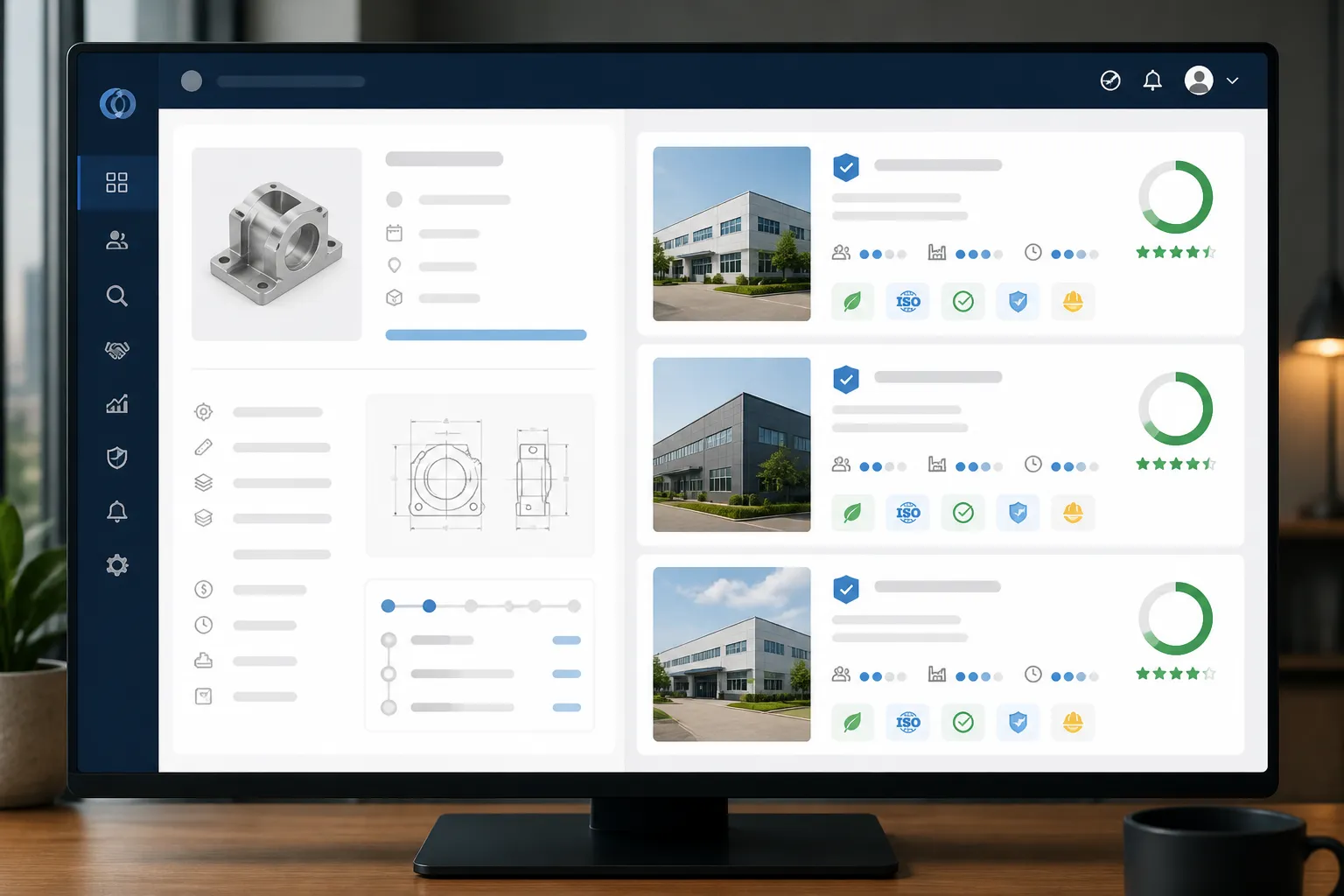
Track record with U.S.-specific compliance: UFLPA documentation, HTS code classification accuracy, country-of-origin marking—these are not generic logistics functions. Verify that your partner has handled CBP inquiries and can provide the paper trail U.S. importers need to clear goods under heightened scrutiny.
Supplier verification depth: In an environment where china trade deals opposition has created pressure on Chinese factories to misrepresent origin (a federal crime for U.S. importers who knowingly participate), verified supplier databases with audit histories matter more than ever.
This is where platforms like Link4a / 链上科技 differentiate themselves. Built as an AI-native cross-border trade infrastructure rather than a directory or plugin stack, Link4a's Match engine delivers verified supplier-buyer connections in an average of three seconds, drawing from a network of 300+ factories. The Inbox module provides 24/7 multilingual AI inquiry response, so Chinese exporters never miss a U.S. buyer inquiry due to time-zone gaps. For factories ready to build brand presence in the U.S. market, Sitebox deploys a fully functional independent site in under 30 minutes—critical when U.S. buyers vet suppliers by domain presence and professional web identity before sending an RFQ.
Pricing in the United States
Pricing in the U.S. market for China-sourced goods must now be modeled with tariff-inclusive landed cost as the baseline, not the ex-works factory price. Here is what affects pricing at each layer:
Tariff exposure: Depending on HTS classification, a product might face 0%, 7.5%, 25%, or in some 2025-elevated categories, over 100% ad valorem duty. The difference between an HTS code classified as 8471.30 versus 8471.49 can be tens of thousands of dollars on a full container load. Buyers should request HTS classification opinions from a licensed customs broker before placing large orders.
Freight and logistics premiums: Trans-Pacific freight rates remain volatile. Industry estimates place current all-in FCL costs (Shanghai to Los Angeles) in the range of $2,500–$6,000+ per 40-foot container depending on market conditions, a significant increase over pre-2020 baselines.
Compliance and documentation costs: UFLPA due diligence, third-party audits, and country-of-origin documentation now add meaningful cost to sourcing from China. Buyers should budget for these as line items, not surprises.
Platform and service fees: Infrastructure platforms like Link4a offer tiered access to tools including Sitebox, Inbox, Match, and Reach (the omni-channel content and SEO/GEO traffic engine). Pricing varies by product tier and scale; the relevant benchmark is cost per qualified inquiry generated versus the cost of a trade show booth or a paid search campaign. Chinese exporters who have deployed Reach report traffic across social, SEO, GEO, and outbound lead-mining from a single content loop—consolidating what would otherwise be four separate vendor contracts.
For U.S. buyers, the pricing question to ask a Chinese factory isn't just "what is your FOB price?" but "what is my fully-landed cost after duties, freight, compliance, and quality assurance?" Factories that can answer that question with documentation are worth more than those that cannot.
Common Challenges for Buyers in the United States
Navigating Tariff Escalation and Policy Uncertainty
The most acute challenge for U.S. importers is that the policy environment governing China trade deals opposition changes faster than annual sourcing contracts can accommodate. Tariff lists are amended by executive action with 30–90 day implementation windows. Importers who locked in pricing with Chinese suppliers in Q1 may face a tariff reclassification by Q3 that renders the margin economics of their product unworkable. Mitigation strategies include first-sale valuation, tariff engineering (redesigning products to shift HTS classification), and bonded warehouse arrangements that defer duty payment—all of which require specialist counsel.
Country-of-Origin Circumvention Risk
U.S. importers face legal exposure when goods are routed through third countries (Vietnam, Mexico, Malaysia) to obscure Chinese origin and avoid tariffs. CBP's Enforce and Protect Act (EAPA) process investigates such circumvention aggressively. The risk for buyers is not just civil penalty but criminal referral. Due diligence on your supplier's actual manufacturing location—not just their registered address—is essential.
Supplier Reliability and Production Transparency
For first-time or infrequent China importers, the distance between an RFQ and a factory floor is immense. Suppliers who present well on B2B platforms may outsource production, substitute materials, or quote lead times they cannot fulfill. Industry best practices include:
- Third-party pre-shipment inspection (PSI) by firms such as Bureau Veritas, SGS, or QIMA
- Requesting production capacity documentation (machine counts, shift schedules) before committing to a first order
- Building supplier relationships through verified matchmaking platforms rather than cold outreach to directory listings
Logistics and Port Congestion
West Coast ports—Los Angeles and Long Beach—remain the primary entry point for China-origin goods. Congestion, chassis shortages, and labor actions have historically added days to weeks to transit times. Eastern ports (Savannah, New York/Newark) offer diversification, and some importers have shifted volume there despite longer transit. Factor buffer stock into inventory planning, especially for seasonal or promotional goods.
Regulatory Documentation and CBP Clearance
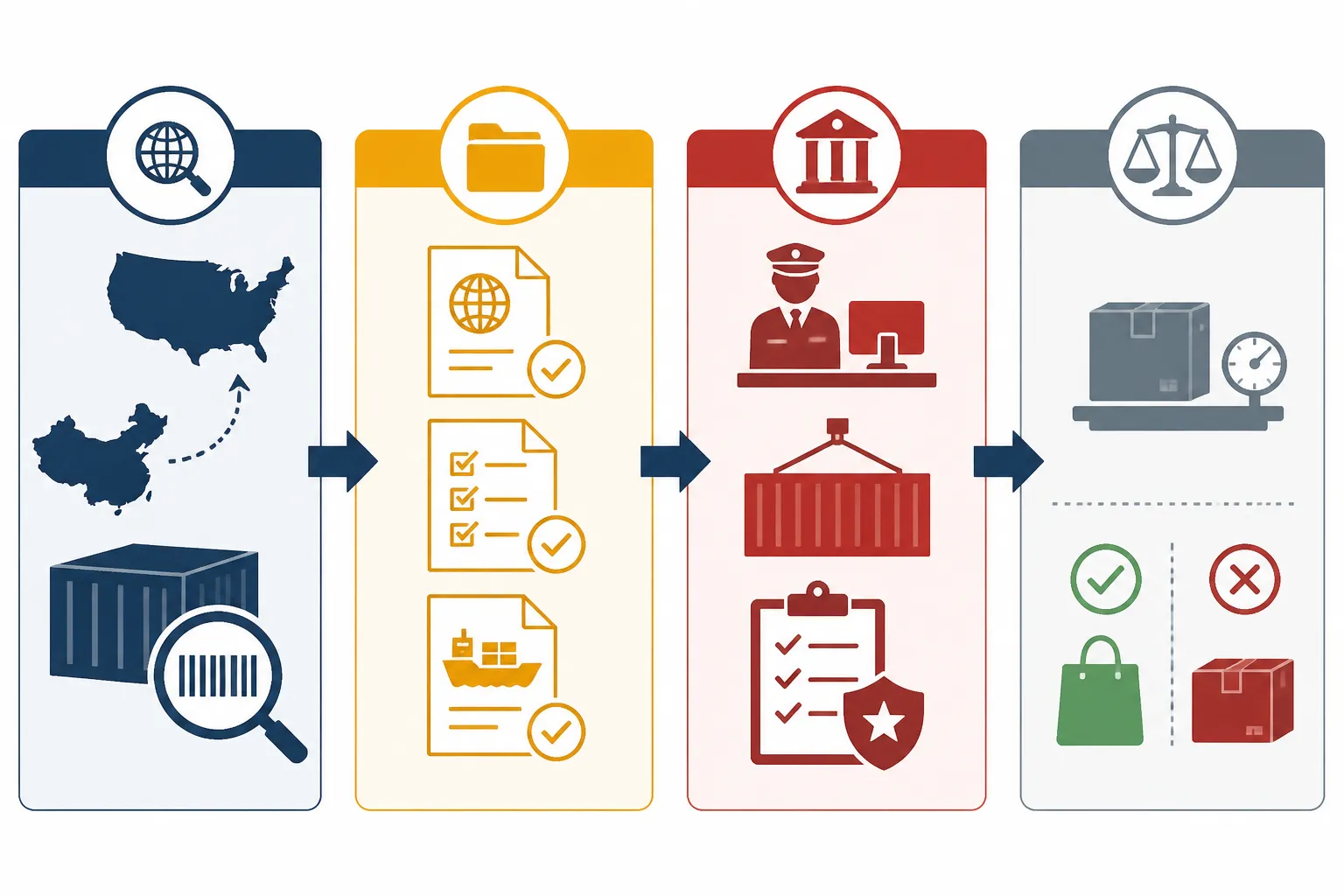
CBP has significantly expanded its examination rate for China-origin shipments. Common clearance issues include:
- Insufficient marking of country of origin (required under 19 CFR Part 134)
- Missing or incomplete commercial invoices
- UFLPA holds requiring affirmative evidence of supply chain due diligence
Working with a licensed customs broker and using factories that have pre-prepared compliance documentation packages dramatically reduces the risk of costly delays.
Frequently Asked Questions (United States-Specific)
Q1: What is the current tariff rate on goods imported from China into the United States?
Rates vary significantly by product category and HTS code. General Section 301 tariffs range from 7.5% to 25%, but executive actions taken in 2025 elevated duties on specific sectors—electric vehicles, semiconductors, solar equipment, steel products—to substantially higher levels. For your specific product, request a binding ruling from U.S. Customs and Border Protection or consult a licensed customs broker before placing orders.
Q2: How does the Uyghur Forced Labor Prevention Act affect my sourcing from China?
The UFLPA creates a legal presumption that goods with supply chain ties to the Xinjiang Uyghur Autonomous Region were produced with forced labor, making them inadmissible under 19 U.S.C. § 1307. To rebut the presumption, importers must provide CBP with detailed supply chain documentation demonstrating the goods were not produced with forced labor. If your product or its materials (cotton, polysilicon, tomatoes, among others) could have Xinjiang origin, begin supply chain mapping immediately.
Q3: Can I still source from Chinese factories despite trade tensions, and is it legal?
Yes. Lawful importation of Chinese goods remains entirely legal. The obligations are to correctly classify goods, pay applicable duties, comply with UFLPA and other admissibility requirements, and not misrepresent country of origin. The challenge is operational and financial—tariff costs and compliance overhead—not legality of the underlying transaction.
Q4: What is the status of the $800 de minimis threshold for China-origin e-commerce parcels?
The de minimis exemption, which previously allowed packages valued under $800 to enter the United States duty-free, was significantly curtailed for China and Hong Kong-origin goods under executive actions in 2025. DTC operators and TikTok creators who built logistics models on de minimis shipments from Chinese warehouses need to reassess their cost structure and potentially move to bonded consolidation or third-party logistics (3PL) warehousing within the United States.
Q5: How quickly can Chinese factories respond to U.S. buyer inquiries given the time-zone difference?
Without AI-assisted inquiry handling, a Shanghai-based factory operating standard business hours will have a 12–13 hour response lag to U.S. Eastern Time inquiries. Platforms like Link4a's Inbox module close this gap with 24/7 multilingual AI that engages buyers immediately, qualifies inquiries, and routes complex questions to human staff during factory operating hours. In competitive sourcing situations, first-response speed is often decisive.
Q6: What certifications should I require from Chinese suppliers shipping into the U.S. market?
Relevant certifications depend on product category. Common requirements include: FCC certification (electronics), CPSC compliance and ASTM standards (children's products), FDA registration (food-contact materials, cosmetics, medical devices), UL listing or ETL mark (electrical products), and CARB compliance (wood products sold in California). Request certification documentation before sampling, not after production.
Q7: How do I verify that a Chinese supplier is who they say they are before wiring a deposit?
Steps include: verify business registration through official Chinese government databases (National Enterprise Credit Information Publicity System), request a copy of their Business License, use a third-party verification service or an AI-native matchmaking platform with built-in supplier vetting (such as Link4a's Match engine), and for orders above a certain threshold, commission a factory audit by a recognized inspection firm before placing the purchase order.
Get Started in the United States — Your Next Steps
Navigating china trade deals opposition as a U.S. importer or a Chinese exporter targeting the U.S. market requires more than awareness—it requires infrastructure that moves at the speed of policy change and buyer expectation.
For U.S.-based sourcing managers and brand owners:
- Audit your current China-origin SKUs against the latest HTS tariff schedule and UFLPA risk indicators before your next purchase order.
- Engage a licensed U.S. customs broker for classification review on any product where the duty exposure could materially affect landed cost.
- Shift your supplier discovery to verified, compliance-aware platforms. Cold outreach to unvetted factory listings increases your exposure to origin circumvention risk and quality failure.
- Evaluate your logistics model if it relies on de minimis e-commerce shipping from China—2025 rule changes may have already invalidated the cost structure.
For Chinese factory owners and OEM/ODM exporters targeting U.S. buyers:
- Build an English-language web presence that U.S. buyers can independently verify. A professional independent domain, clear product specifications, and documented compliance history reduce buyer hesitation. Link4a's Sitebox deploys a brand-ready site in under 30 minutes.
- Implement 24/7 multilingual inquiry response. U.S. buyers who send an RFQ at 10 a.m. New York time expect a response the same business day. Link4a's Inbox AI handles this gap without requiring overnight staffing.
- Use AI-powered matchmaking to connect with pre-qualified U.S. buyers, not just traffic from directories. Link4a's Match engine averages a 3-second connection to relevant buyer profiles from a live database.
- Invest in content and SEO infrastructure that surfaces your factory to U.S. buyers actively searching for verified Chinese supply. Link4a's Reach engine drives traffic across social, SEO, GEO, and outbound lead-mining from a single content workflow—replacing four separate vendor relationships with one integrated loop.
Link4a currently serves 300+ factories and has 1,400+ sites live, with an end-to-end AI-native workflow that covers every stage from brand setup to active buyer engagement. Unlike plugin-stack approaches that require stitching together separate tools for site building, inquiry handling, supplier matching, and content distribution, Link4a was built as a unified infrastructure from the ground up.
The window for Chinese exporters to establish durable U.S. buyer relationships before the next round of trade policy changes is narrow. Waiting for the regulatory environment to stabilize is not a strategy—building a presence that can weather volatility is.
Ready to cut through trade friction and connect with verified U.S. buyers?
Request a Demo or Get MOQ & Pricing — Visit link4a.com
Whether you are a Chinese factory owner looking to build your first independent U.S.-facing brand site, or a U.S. sourcing manager seeking verified, compliance-aware Chinese suppliers, Link4a's AI-native platform is built for the trade environment that exists today—not the one that existed before 2018.
This article is for informational purposes only and does not constitute legal or customs advice. U.S. importers should consult a licensed customs broker and qualified trade counsel before making sourcing or compliance decisions.