China Wholesale for US Buyers: Sourcing & Compliance Guide
China Wholesale for US Buyers: Sourcing & Compliance Guide
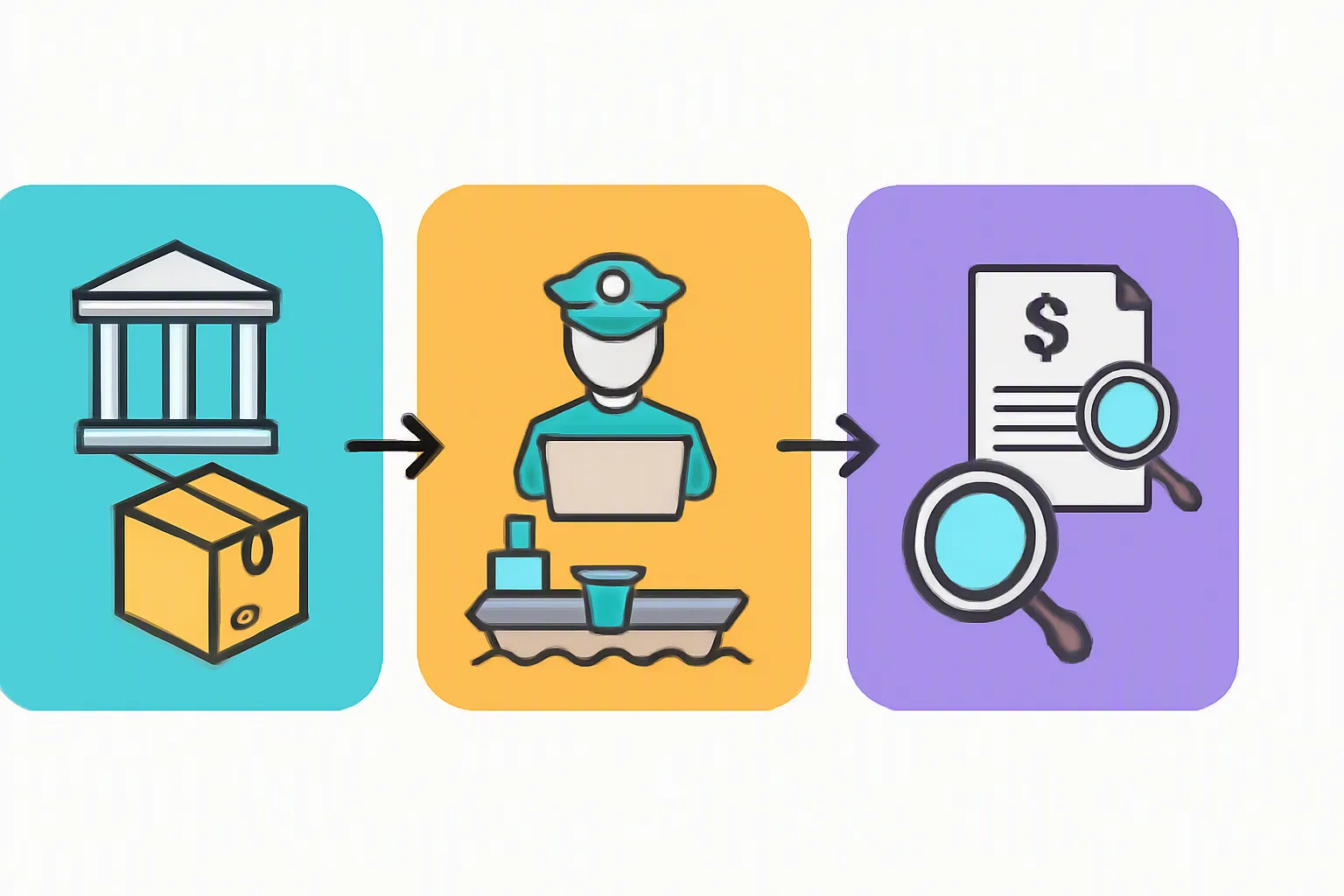
China wholesale for US buyers is a managed procurement process involving vetted factory partnerships, regulatory compliance with CBP and CPSC standards, and negotiated MOQs rather than simple marketplace transactions. Successful importing requires moving beyond generic B2B directories to establish direct relationships with manufacturers who understand American quality benchmarks, labeling laws, and payment terms. For US-based DTC brands and distributors, this means utilizing sourcing partners who verify production capacity and handle multilingual communication to bridge the gap between domestic requirements and overseas manufacturing capabilities.
The demand for reliable china wholesale channels in the United States remains driven by margin compression in domestic manufacturing and the need for specialized production capabilities not available locally. Industry estimates suggest that small to mid-sized US importers are increasingly shifting from transactional marketplace purchases to relationship-based sourcing to mitigate supply chain volatility. This shift is particularly evident among online creators and niche retailers who require consistent product quality and repeat order reliability over one-off deals. Buyers now prioritize suppliers who offer verifiable track records and transparent communication over those simply listing the lowest unit price on open platforms.
US buyer profiles have diversified significantly beyond traditional big-box retailers to include Amazon FBA sellers, Shopify store owners, and specialized trade distributors. These commercial entities often lack internal compliance teams but face the same regulatory scrutiny as major corporations when importing goods. They require sourcing partners who can navigate complex tariff classifications and ensure products meet federal safety standards before shipment. The modern US importer seeks a partner who acts as an extension of their operations, handling everything from sample coordination to final inspection, effectively de-risking the cross-border trade environment.
What's Specific About the United States Market
Regulatory Frameworks and Compliance Mandates
Importing wholesale goods into the United States triggers specific legal obligations under U.S. Customs and Border Protection (CBP) and the Consumer Product Safety Commission (CPSC). Unlike markets with looser enforcement, US authorities actively detain shipments lacking proper documentation, such as Children’s Product Certificates (CPC) for toys or FDA registration for food-contact items. A sanction list check is mandatory; US buyers must ensure neither the factory nor its parent company appears on OFAC’s Specially Designated Nationals list or is subject to export controls related to forced labor prevention. Failure to comply results in seizure, fines, and potential blacklisting, making supplier vetting a legal necessity rather than a best practice.
Cultural Norms and Communication Protocols
Business culture in US-China wholesale differs fundamentally from domestic purchasing. American buyers typically expect written contracts, fixed pricing, and adherence to stated lead times, while Chinese manufacturing often operates on relational trust (guanxi) and flexible specifications. Bridging this gap requires more than translation; it demands cultural interpretation of negotiation signals. For example, a factory agreeing to a "best effort" delivery date may actually be signaling high risk of delay, a nuance lost in direct email exchanges. Effective sourcing partners draft replies based on actual in-stock catalogues and production realities rather than optimistic sales promises, preventing the misalignment that causes 80% of disputes.
Payment Methods and Financial Security
Wire transfers (T/T) remain the standard for china wholesale transactions exceeding $5,000, but US buyers should avoid sending full payment upfront to unverified entities. Standard commercial terms involve a 30% deposit to initiate production and 70% balance against copy of Bill of Lading or after third-party inspection. Letters of Credit (LC) provide security for larger orders but carry banking fees that erode margins on smaller wholesale lots. Emerging alternatives like escrow services offer middle-ground protection, though adoption varies by factory. Understanding these mechanisms protects capital during the critical production window where leverage shifts from buyer to seller.
How to Choose a China Wholesale Provider in United States
Verifiable Performance Metrics Over Marketing Claims
Evaluating a sourcing provider requires concrete evidence of success in the US market, not just testimonials. Look for published performance data, such as search ranking verification or client case studies with timestamps. Providers should be able to demonstrate measurable outcomes for US-specific keywords or sales conversions through auditable records rather than vague assertions. This level of transparency indicates operational maturity. Partners unable to substantiate their claims with verifiable data may lack the localized expertise needed for competitive markets.
On-the-Ground Presence and Time Zone Coverage
Effective china wholesale management requires real-time responsiveness aligned with US business hours. A provider operating solely on Beijing time creates a 12-hour communication lag that delays sample approvals and problem resolution. Ideal partners maintain staff coverage during EST/PST working hours or utilize asynchronous systems that guarantee response windows. Physical presence in manufacturing hubs like Shenzhen, Guangzhou, or Yiwu enables rapid factory visits and quality inspections that remote agents cannot perform. According to logistics data, these cities serve as primary nodes for international freight, making local proximity essential for coordinating air, sea, and rail shipments efficiently (DDPChain, 2026).
Multilingual Capability and Localized Content
True localization extends beyond translating English listings into Mandarin. It involves native-language keyword research and content creation tailored to specific buyer psychologies. A competent provider manages storefronts in multiple languages—including Arabic with correct right-to-left formatting—and produces weekly SEO content per target market. This ensures factories attract relevant inquiries rather than generic traffic. For US buyers, this translates to suppliers who understand American product terminology and search behavior, reducing friction during the discovery phase. When evaluating partners, ask specifically about their language support infrastructure and whether they employ native speakers for each target locale.
Pricing Dynamics for US Buyers
Cost Structures Beyond Unit Price
Wholesale pricing from China includes landed cost components that significantly impact final margins. Ocean freight rates fluctuate seasonally, with peak surcharges typically hitting Q3 ahead of holiday inventory builds. Tariffs under Section 301 are subject to change and, as of the time of writing, can add significant percentage levies on thousands of HTS codes, necessitating accurate classification before ordering. Domestic trucking from US ports to warehouses adds another variable layer. Smart buyers calculate total landed cost per unit including duties, freight, insurance, and inspection fees before comparing quotes. A lower FOB price often masks higher logistics expenses or compliance risks that inflate true cost.
Negotiation Levers and Volume Tiers
Price negotiation in china wholesale hinges on volume commitments, payment terms, and production scheduling flexibility. Factories offer better rates for orders filling container space efficiently or scheduled during off-peak production windows. MOQ negotiations succeed when buyers demonstrate long-term potential through detailed forecasts or paid sampling programs. Some providers operate on commission-only models for factories, charging nothing until orders close, which aligns incentives toward securing competitive pricing. Understanding these dynamics allows US buyers to structure deals that balance immediate cost savings with sustainable supplier relationships. For deeper insights on structuring these agreements, refer to China Products Wholesale in the US: The Complete 2026 Buyer's Guide.
Currency Fluctuations and Hedging Strategies
RMB/USD exchange rate movements directly affect wholesale costs. Contracts denominated in USD transfer currency risk to suppliers, who may build buffers into pricing or renegotiate mid-production if rates shift unfavorably. RMB-denominated contracts expose US buyers to forex volatility but can yield savings during dollar strength periods. Forward contracts or natural hedging through matched revenue/currency streams mitigate exposure. Experienced sourcing partners advise on optimal currency structures based on order size, timeline, and market conditions, treating financial risk management as integral to procurement strategy.
Common Challenges for Buyers in United States
Logistics Coordination Across Multiple Transport Modes
Managing freight from Chinese factories to US doorsteps involves orchestrating inland trucking, port handling, ocean transit, customs clearance, and final delivery. Disruptions at any node cascade through the supply chain. Major logistics hubs like Ningbo, Shanghai, and Tianjin handle massive volumes but experience periodic congestion affecting schedules (DDPChain, 2026). Rail freight offers alternative routing via Eurasian land bridges, though transit times vary. US buyers must decide between DDP (Delivered Duty Paid) services simplifying logistics versus FOB arrangements offering greater control. Each choice carries distinct risk/reward profiles requiring careful evaluation against business needs.
Supplier Reliability and Quality Consistency
Factory capabilities change over time due to staff turnover, equipment upgrades, or subcontracting without notice. Initial samples may not reflect mass production quality, leading to costly returns or markdowns. Continuous monitoring through regular audits and pre-shipment inspections catches deviations early. Building redundancy through qualified backup suppliers prevents single-point failures. The Belt and Road Initiative has expanded manufacturing capacity across inland provinces, creating new sourcing options but also introducing variability in standards. Diligent buyers maintain active supplier development programs rather than assuming past performance guarantees future results.
Navigating Trade Relations and Policy Shifts
US-China relations influence tariff schedules, export controls, and market access unpredictably. Products once duty-free may suddenly face levies following policy announcements. Staying compliant requires monitoring Federal Register notices and consulting trade specialists regularly. Diversification strategies incorporating Southeast Asian assembly or nearshoring reduce geopolitical exposure but add complexity. Understanding macro trends helps buyers anticipate disruptions and adjust sourcing strategies proactively. While India emerges as alternative manufacturing base for certain categories, China remains dominant for integrated supply chains and scale economies critical to many US sectors.
Frequently Asked Questions (United States-Specific)
What minimum order quantities should US buyers expect?
MOQs vary widely by category and factory tier. Custom manufactured goods typically start at 500-1,000 units, while stock items may allow 50-100 unit trial orders. Negotiating lower MOQs succeeds when buyers commit to paid samples, accept longer lead times, or bundle SKUs to meet production thresholds. Sourcing partners facilitate these discussions by leveraging existing factory relationships and aggregating demand across clients. Always request current MOQ terms directly rather than relying on outdated directory listings.
How do I verify a Chinese supplier's legitimacy?
Verification requires checking business licenses, export registrations, and third-party audit reports. Request copies of ISO certifications, BSCI social compliance audits, and product-specific test reports from accredited labs. Verify physical addresses through satellite imagery or on-site visits. Cross-reference company names against US sanction lists and trade databases. Legitimate factories readily provide documentation; evasiveness signals red flags. Professional sourcing firms conduct this vetting systematically, maintaining updated supplier databases with verified credentials.
Are DDP shipping services worth the premium?
DDP (Delivered Duty Paid) simplifies importing by bundling freight, duties, and delivery into one price. This suits buyers lacking customs brokerage relationships or wanting predictable landed costs. However, premiums can exceed itemized costs for sophisticated importers managing their own logistics. Evaluate based on internal capabilities, order frequency, and risk tolerance. For occasional wholesale purchases, DDP reduces administrative burden. High-volume importers often save through customized freight contracts and duty optimization strategies. Real-time tracking and established carrier partnerships enhance DDP value propositions (DDPChain, 2026).
Can I source plumbing fixtures from China wholesale?
Yes, but plumbing products require NSF/ANSI certification for US code compliance. Uncertified fixtures fail inspections and create liability exposure. Source only from factories holding current certifications for target standards (e.g., NSF 61 for potable water). Request test reports verifying material composition and performance. Lead-free requirements mandate strict material controls and batch testing. Specialized sourcing partners familiar with building codes identify compliant manufacturers and coordinate necessary testing, avoiding costly installation rejections.
How does Link4a differ from Alibaba or Global Sources?
Marketplaces connect buyers with thousands of unvetted suppliers, placing verification burden on importers. Link4a provides curated sourcing services that focus on vetting factories and facilitating direct communication, distinguishing it from open directory models. Learn more about our methodology in China Sourcing Made Simple: How Link4a Connects You to Trusted Suppliers.
What payment protections exist for US buyers?
Beyond letters of credit, protections include escrow services, inspection-contingent payments, and contractual warranties enforceable through arbitration clauses. Never pay 100% upfront to new suppliers. Structure payments around milestones: deposit upon order confirmation, progress payment after material purchase, balance after passing inspection. Document all agreements in bilingual contracts specifying dispute resolution venues. Reputable sourcing partners facilitate secure payment structures and mediate disputes, adding accountability layers absent in direct transactions.
How do sanctions affect china wholesale sourcing?
US sanctions prohibit transactions with designated entities involved in human rights abuses, military activities, or other restricted behaviors. Screening suppliers against OFAC lists is legally mandatory. Violations carry severe penalties regardless of intent. Sanctions evolve frequently; continuous monitoring is essential. Some regions face blanket restrictions affecting entire supply chains. Professional sourcing firms integrate sanction screening into vetting protocols, flagging risks before engagement. Stay informed through official government channels and industry associations tracking regulatory developments.

Get Started with China Wholesale in the United States
Transitioning from marketplace gambling to strategic sourcing begins with defining your procurement criteria clearly. Document target price points, quality standards, volume projections, and compliance requirements before engaging suppliers. This preparation enables meaningful conversations and accurate quotations. Identify three to five potential sourcing partners or factories matching your category expertise and service expectations. Request detailed proposals outlining their vetting processes, fee structures, and communication protocols. For comprehensive guidance on establishing direct factory relationships, review China Direct Wholesale in the U.S. to understand current best practices.
Evaluate responses against concrete metrics: response time, specificity of answers, willingness to provide references, and alignment with your business model. Schedule introductory calls assessing cultural fit and technical competence. Test selected partners with small pilot projects before committing to large orders. Measure performance against agreed KPIs including sample accuracy, timeline adherence, and issue resolution speed. Build relationships gradually through consistent communication and fair dealing.
Ready to establish reliable china wholesale channels for your US business? Request a consultation with Link4a to discuss your sourcing needs, get current MOQ and pricing information, or initiate supplier vetting for your next product line. Visit https://link4a.com to schedule your free discovery call and receive a customized sourcing assessment tailored to your category and volume requirements.