How to Source Custom Jewelry: A Buyer's Guide for DTC Brands
How to Source Custom Jewelry: A Buyer's Guide for DTC Brands
Sourcing custom jewelry at commercial scale requires vetting factories for metal purity, stone setting tolerances, and repeat-order consistency—not just browsing marketplace listings. Buyers who skip supplier verification typically face plating failures within weeks, mismatched alloy compositions, or production delays that miss seasonal launch windows. This guide provides the procurement framework importers, DTC store owners, and online creators need to evaluate manufacturers, negotiate terms, and secure reliable supply chains for bespoke pieces.
Who This Guide Is For
This guide is built for overseas buyers, importers, direct-to-consumer (DTC) brand owners, and online creators who are ready to purchase custom jewelry in commercial quantities but lack a dependable sourcing partner on the ground in China. The trigger is usually a scaling bottleneck: your current supplier cannot handle larger minimum order quantities (MOQs), your defect rate is climbing, or you need to transition from generic wholesale to proprietary designs that compete with established names. If you are tired of gambling on unverified marketplace listings and need someone to shortlist factories, check their capabilities, negotiate pricing, coordinate samples, and manage multilingual communication, this framework will structure your procurement process. For a broader overview of evaluating suppliers, consult our custom jewelry buying guide.
What Custom Jewelry Actually Does for Your Business
Custom jewelry manufacturing transforms your proprietary CAD files or design concepts into physical inventory produced to exact metallurgical and dimensional specifications. Unlike buying off-the-shelf wholesale, commissioning custom work allows you to control the gold karat weight, gemstone grading, clasp mechanisms, and branding engravings. Retailers benchmarking against luxury houses like David Yurman or high-volume charm brands like Pandoras use custom OEM manufacturing to replicate specific quality tiers without paying retail markups. A jeweler offering custom designs as a service handles everything from initial wax carving to final polish, ensuring the output matches the approved prototype. For DTC brands, this means launching permanent collections—such as welded bracelets or signature men's signet rings—with margins protected by direct factory pricing rather than middleman markups.
Key Decision Factors
1. Factory Vetting and Verification
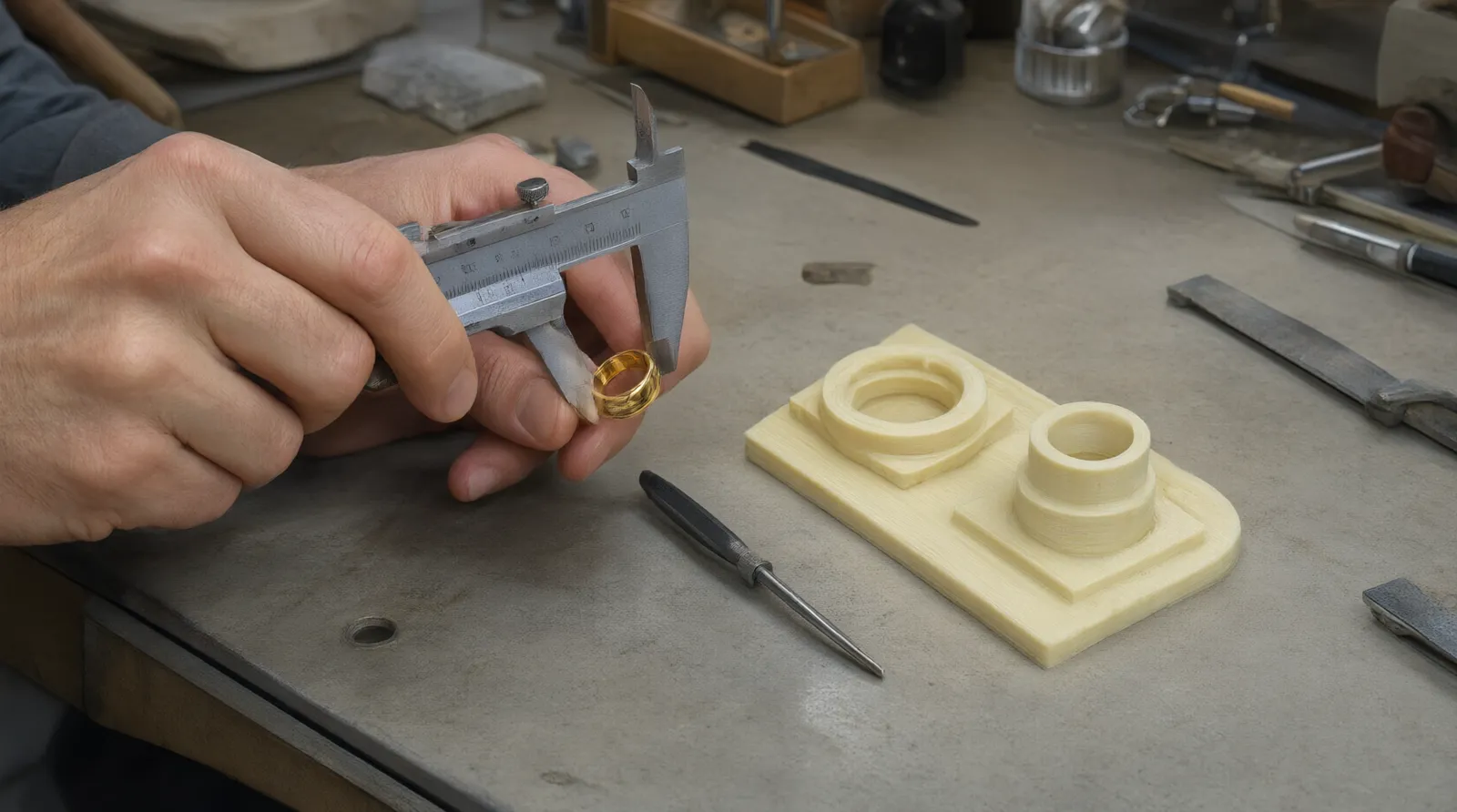
Evaluating a manufacturer’s actual capabilities prevents costly production failures. Do not rely solely on a supplier's self-reported profile. "Good" looks like a verified audit of the factory floor, confirmation of their casting equipment (e.g., vacuum casting vs. centrifugal), and proof of their metallurgical testing processes. Sourcing partners like Link4a handle this by physically checking factories, verifying business licenses, and confirming production capacity before presenting them to buyers. If you are evaluating suppliers independently, request video walkthroughs of their polishing and stone-setting departments, not just their showroom.
2. Pricing Model and Commission Structures
Understand exactly how your sourcing partner or factory makes money. Traditional trading companies often hide their margins inside inflated unit prices. A transparent, commission-only model—where nothing is paid before an order closes—aligns the partner's incentives with yours. For factory owners looking to sell overseas, managed export operators that charge commission only on closed orders eliminate upfront risk. Always demand a breakdown showing raw material costs (based on daily gold or silver spot prices), labor, mold fees, and the partner's margin.
3. Minimum Order Quantity (MOQ) Negotiation
Factories set MOQs based on the time required to create molds and calibrate machines. A rigid supplier might demand 500 units per SKU, which cripples cash flow for emerging DTC brands. "Good" looks like a sourcing partner who negotiates tiered MOQs—for example, 50 units for an initial test run, scaling to 300 for repeat orders once the design is proven. When exploring affordable entry points into custom lines, securing low initial MOQs is critical for testing market demand without overcommitting capital.
4. Sample Coordination and Quality Assurance
Never authorize bulk production without approving a physical sample. Evaluate how the supplier handles the sampling phase. Do they provide CAD renderings first? How many revision rounds are included in the sample fee? A reliable partner coordinates the entire loop: shipping the prototype, gathering your feedback, enforcing factory corrections, and delivering the final pre-production sample. Look for documented QA checklists covering prong security, clasp tension, and plating thickness (measured in microns).
5. Multilingual Communication and Localization
Miscommunication between overseas buyers and Chinese factory floors causes the majority of specification errors. Relying on machine-translated messages leads to misinterpreted measurements or wrong alloy requests. "Good" looks like a managed partner providing multilingual communication where replies to buyers are drafted directly from the factory's actual in-stock catalogue, eliminating phantom inventory promises. Furthermore, if you are selling globally, ensure your storefront supports localized SEO. Achieving strong search visibility across multiple regions requires per-language keyword research—including adapting layouts for right-to-left languages like Arabic—rather than relying on simple English translation.
6. Material Capabilities and Design Range
Confirm the factory specializes in your target category. A workshop excelling in Kendra Scott-style enamel fashion jewelry may lack the precision required for micro-pave diamond settings. Whether you need heavy men's chains, delicate permanent welded-jewelry links, or luxury bridal pieces, verify their past production portfolio. Local jewelers periodically host specialized events—such as the Gold, Jewelry & Diamond Buying Event held in late October—to source specific materials, indicating that material specialization dictates operational workflows even at the retail level.
7. Scalability and Repeat Order Management
Your supplier must be able to replicate the exact quality of your first order when you scale from 100 to 5,000 units. Evaluate their mold storage policies and raw material sourcing consistency. "Good" looks like a partner who manages repeat ordering systematically, holding your proprietary molds securely and locking in material pricing formulas so your unit economics remain stable across production runs.
8. Vendor Stability and Digital Storefronts
For Chinese factory owners wanting to reach overseas buyers without hiring an export sales team, vendor stability relies on digital visibility. A managed overseas storefront that generates weekly SEO content per market ensures a steady pipeline of inquiries. Buyers should verify that the factories they work with have stable, long-term digital infrastructure rather than relying on temporary marketplace accounts that can be suspended without warning. For deeper analysis on identifying stable partners, review our breakdown of Custom Jewelry: 6 Sources Buyers & DTC Brands Need in 2026.
Budget Tiers
The following table outlines typical investment levels for commercial custom jewelry sourcing. Exact figures depend on metal spot prices, gemstone grades, and design complexity.
| Tier | Typical Investment Profile | What You Get | Target Buyer |
|---|---|---|---|
| Entry | Low tooling costs; higher per-unit price due to small batch sizes. | Basic brass or sterling silver fashion jewelry. Limited revisions. Standard packaging. High MOQ flexibility negotiated by a sourcing partner. | Online creators, Etsy sellers, new DTC brands testing a niche. |
| Mid-Market | Moderate mold fees; balanced per-unit cost. | Vermeil, 10k-14k gold, or lab-grown gemstone pieces. Dedicated sample coordination. Branded packaging options. Consistent repeat-order management. | Scaling DTC stores, regional importers, boutique chains. |
| Enterprise / Luxury | High initial tooling and CAD investment; lowest per-unit cost at volume. | 18k+ gold, natural diamonds, complex micro-pave settings. Strict QA protocols. Full IP protection. Managed export operations across multiple global markets. | Established luxury brands, large-scale national distributors. |
To see how these tiers compare against specific OEM suppliers, consult our guide on 6 Custom Jewelry Sources Ranked: OEM Suppliers & Retail Benchmarks for 2026. If your brand targets the premium segment specifically, explore our detailed breakdown on how to source luxury jewelry from China to understand the distinct vetting requirements for high-value materials.
Red Flags to Avoid
Walk away from a supplier or sourcing arrangement if you encounter any of the following:
- Refusal to provide a physical sample: Any factory demanding full payment for bulk production before allowing you to inspect a prototype is operating outside standard B2B norms.
- Upfront fees for representation: Factory owners should avoid export agents charging heavy retainers before closing sales. Commission-only models ensure the agent is incentivized to actually close deals.
- Generic translated responses: If a supplier's answers to your technical questions read like machine-translated boilerplate rather than specific references to your CAD file or material requirements, they likely do not understand your specs.
- Unverifiable factory addresses: If you cannot confirm the physical location via third-party audits, video calls, or a trusted sourcing partner like Link4a, you may be dealing with a broker marking up prices from the actual manufacturer.
- No clear IP protection agreement: Handing over proprietary designs without a signed Non-Disclosure Agreement (NDA) and clear mold-ownership terms invites counterfeiting.
- Inability to specify plating thickness: If a supplier cannot tell you the micron count of their gold plating or the base metal used, expect rapid tarnishing and customer returns.
- Pressure to bypass secure payment channels: Insistence on wire transfers to personal bank accounts instead of verifiable business accounts is a primary indicator of fraud.
Buying Process Checklist
Follow this sequential framework to move from concept to confirmed purchase order safely.
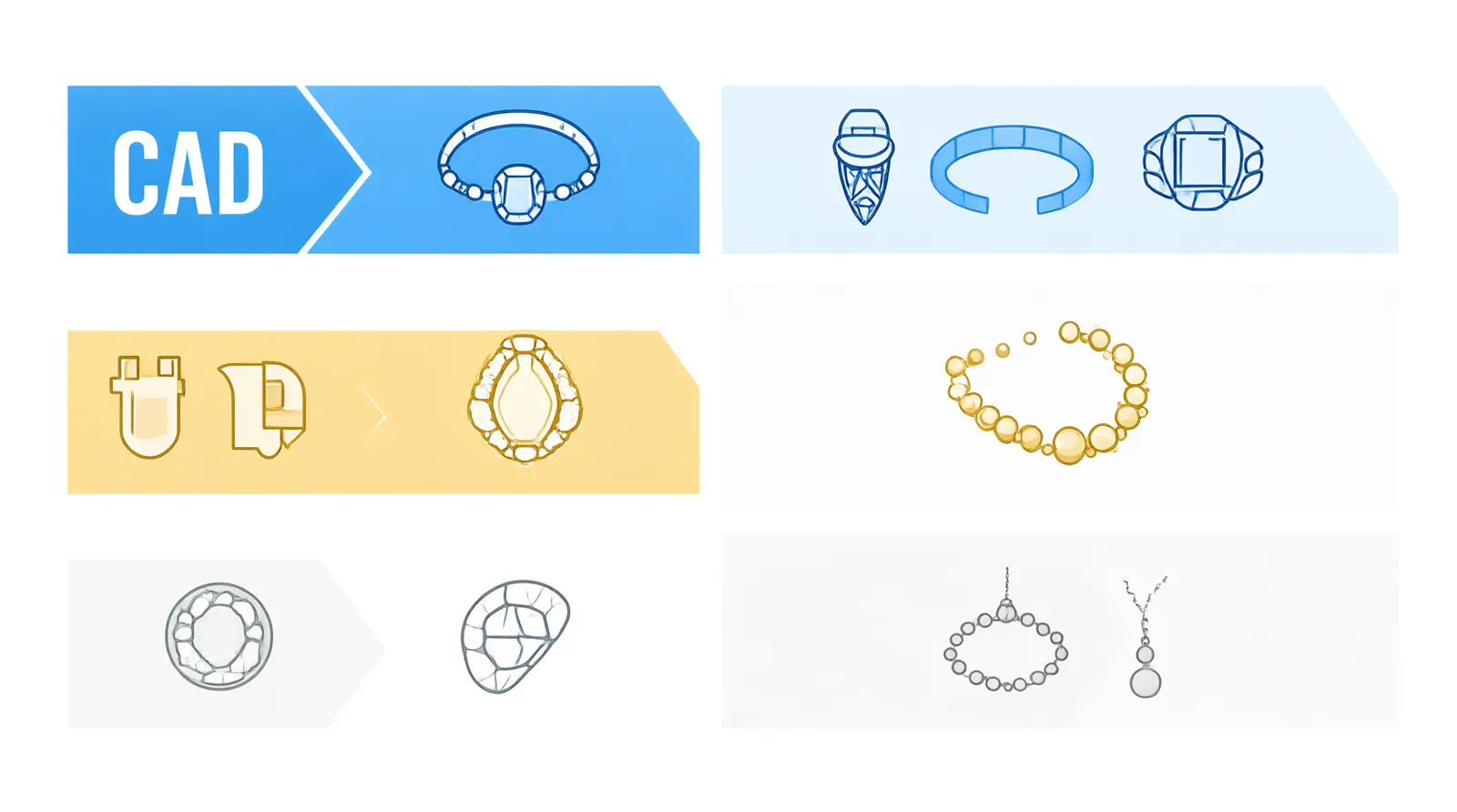
- Define Requirements: Finalize your CAD files, specify target materials (e.g., 14k gold, 925 sterling silver), determine acceptable tolerances, and calculate your target landed cost per unit.
- Shortlist Vendors: Engage a sourcing partner to identify factories matching your technical needs. Filter out brokers and focus on manufacturers with relevant equipment.
- Request Quotes & Negotiate: Submit your tech packs. Negotiate MOQs, unit pricing based on current metal indices, and mold ownership terms.
- Coordinate Samples: Pay the sample fee. Review the physical prototype against your CAD. Document required adjustments regarding weight, finish, or stone alignment.
- Approve Pre-Production Sample: Once revisions are complete, sign off on the final golden sample. This becomes the binding quality standard for bulk production.
- Execute Contract & Deposit: Sign the purchase order detailing delivery dates, penalty clauses for delays, and QA standards. Pay the agreed deposit (typically 30-50%).
- Monitor Production & QA: Require mid-production photos or arrange third-party inspections before the goods leave the factory floor.
- Finalize Shipping & Customs: Coordinate freight forwarding, ensure all export documentation is accurate, and prepare for customs clearance in your destination country.
Questions to Ask Vendors
Use these specific questions during your evaluation phase to separate capable manufacturers from unreliable ones:
- What is your standard lead time from deposit receipt to ex-factory date for an order of [your MOQ] units?
- Can you provide a detailed quote separating raw material costs, labor, mold fees, and your margin?
- Who owns the physical molds and CAD files after production is complete?
- What is your specific process for measuring and guaranteeing plating thickness?
- How many revision rounds are included in the initial sampling fee?
- Do you have experience manufacturing [specific style, e.g., permanent jewelry links or men's heavy chains] and can you provide anonymized case studies?
- What percentage of defective units do you typically accept in a bulk run, and how are replacements handled?
- Are your materials certified (e.g., nickel-free compliance for European markets, recycled gold certifications)?
- How do you handle communication if my primary language is not Mandarin or English?
- What happens to my proprietary designs if I switch sourcing partners?
- Can I arrange a third-party inspection agency to visit your facility before final balance payment?
- Do you offer tiered pricing if we commit to quarterly repeat orders?
Recommended Next Steps
Securing reliable custom jewelry manufacturing requires moving past marketplace guesswork and establishing a verifiable, managed supply chain. Whether you are a DTC brand owner needing strict QA on 14k gold pieces or a Chinese factory seeking international buyers without building an internal export team, the execution depends on having the right infrastructure in place. Stop risking capital on unvetted listings. Request a quote, get current MOQ and pricing structures, or initiate a sample coordination process by connecting with the team at Link4a to build a dependable sourcing partnership tailored to your specific catalog requirements.