The Ultimate Guide to Estate Jewelry Sourcing That Actually Works
The Ultimate Guide to Estate Jewelry Sourcing That Actually Works
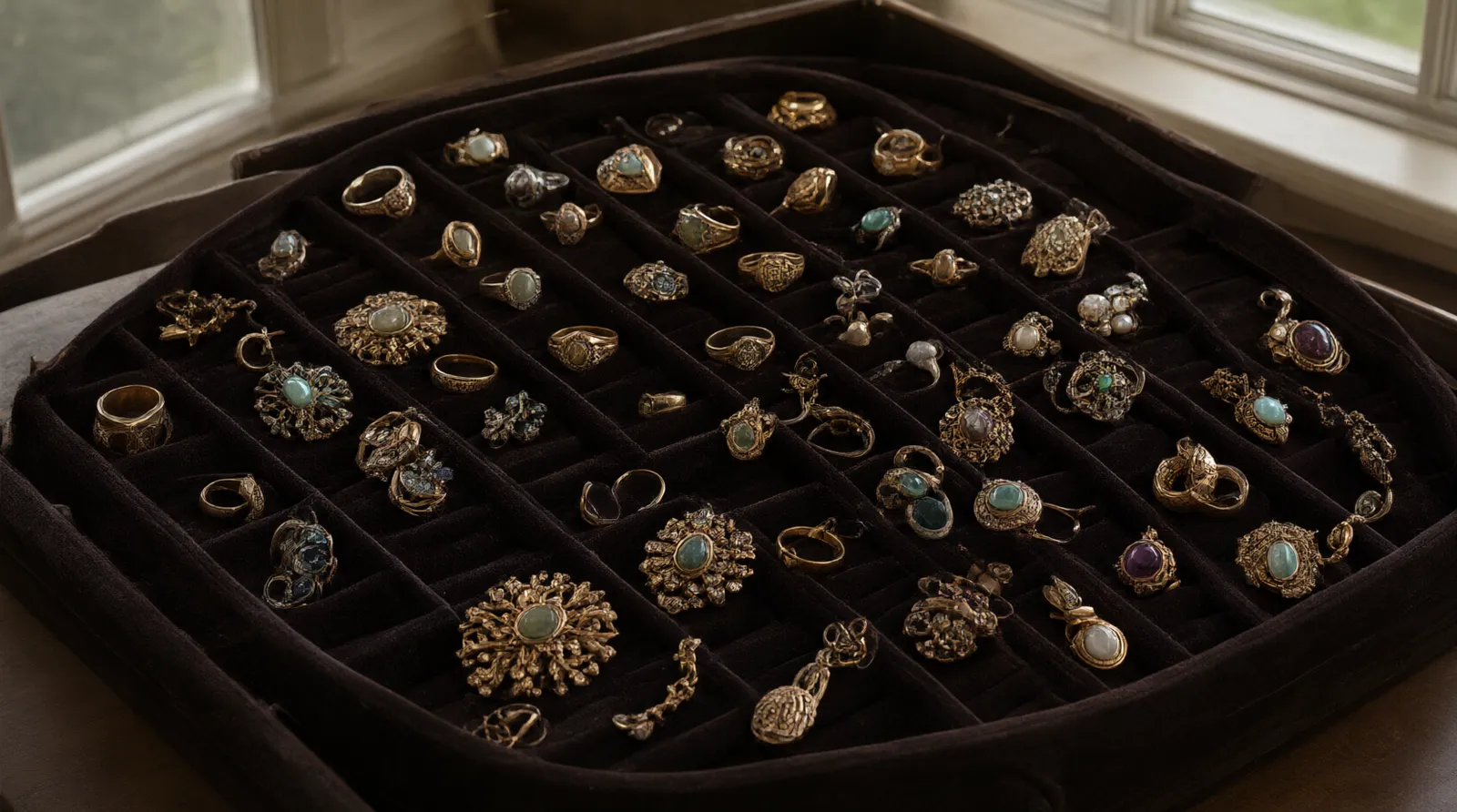
Estate jewelry refers to any piece of jewelry that has been previously owned, regardless of its age. For overseas buyers and DTC store owners sourcing from China, the term frequently extends to vintage-inspired reproduction lines manufactured by vetted factories for commercial resale.
The secondary market for antique and vintage-style jewelry continues to expand as direct-to-consumer brands seek inventory with historical appeal but modern manufacturing consistency. Buyers evaluating Chinese supply for these collections face a specific set of procurement challenges: verifying metal purity, confirming stone grading, negotiating minimum order quantities (MOQ), and ensuring repeat orders match the approved sample. This guide breaks down how importers and online creators source estate jewelry through managed export operators rather than gambling on unvetted marketplace listings.
What Is Estate Jewelry? (And Why Definitions Matter for Sourcing)
At its core, estate jewelry is any piece that has had a previous owner. A ring bought in 2023 and resold in 2024 qualifies. However, the industry categorizes these pieces into three distinct buckets: antique (over 100 years old), vintage (20 to 99 years old), and modern estate (less than 20 years old).
For a DTC store owner or importer buying from Chinese factories, you are rarely purchasing genuine antiques. Instead, you are sourcing reproduction estate jewelry—newly manufactured pieces designed to replicate the aesthetics, weight, and craftsmanship of historical periods like Art Deco, Victorian, or Edwardian eras. Understanding this distinction dictates your entire procurement strategy. Genuine antiques require provenance documentation and gemological lab reports. Reproduction lines require factory audits, material certifications, and precise technical specifications.
When buyers search for styles associated with designers like david yurman or kendra scott, they are often looking for factories capable of replicating specific design languages—such as Yurman’s signature cable motifs or Scott’s geometric color-blocking—using affordable production methods without infringing on active trademarks. Factories must provide verifiable proof that their designs are inspired by, not copied from, protected intellectual property.
How to Source Estate Jewelry from Chinese Factories
Sourcing requires a structured evaluation process. Skipping steps leads to mismatched colors, incorrect alloy compositions, or shipments delayed by weeks. If you need a broader framework for evaluating manufacturers, our guide on how to source high end jewelry outlines the exact vetting steps required for premium production runs.
Supplier Shortlisting and Factory Vetting
The first step is identifying manufacturers who specialize in vintage-casting techniques and historical finishing processes. Many generalist jewelry factories in Guangzhou or Yiwu produce fast-fashion accessories but lack the tooling for heavy, detailed estate-style pieces. A dependable sourcing partner shortlists factories based on specific capabilities: lost-wax casting for intricate filigree, hand-engraving capacity, and experience working with high-karat alloys.
Vetting goes beyond reviewing an Alibaba storefront. It involves checking business licenses, visiting production floors (or having a local agent do so), and verifying past export records. For instance, Link4a (链上科技) operates as a managed export operator, coordinating factory checks and multilingual communication so overseas buyers do not have to navigate language barriers or verify supplier claims independently.
MOQ and Price Negotiation
Minimum order quantities vary drastically based on the complexity of the estate jewelry design. A simple stamped brass vintage-style pendant might carry an MOQ of 100 units, while a complex 18k gold-plated articulated bracelet with custom enamel work could require 500 units per SKU due to mold costs.
Pricing negotiations must account for raw material fluctuations. Gold prices shift daily. If a factory quotes a price based on current bullion rates, the contract should specify a validity window—typically 7 to 14 days—after which the quote is subject to adjustment. Buyers must negotiate not just the unit price, but the terms for tooling amortization. If a custom mold costs $300, clarify whether that fee is refunded once the cumulative order volume reaches a certain threshold.
Sample Coordination and Repeat Orders
Never approve a bulk run based on digital renders. Request physical samples. Evaluate the sample against your technical pack: check the clasp tension, measure the chain link thickness with calipers, and test the plating adhesion. Once a sample is approved, document every specification. Repeat orders fail when factories substitute cheaper base metals or alter electroplating bath times to save costs. A managed sourcing partner enforces these specifications across subsequent production runs.
Why Is Estate Jewelry Important for DTC Brands?
Estate jewelry occupies a highly profitable niche for direct-to-consumer brands because it bridges the gap between mass-produced fashion accessories and inaccessible fine jewelry. Consumers want the aesthetic weight and perceived history of luxury pieces without the corresponding price tag.
The Margin Advantage
Reproduction vintage pieces allow DTC operators to maintain healthy margins. A factory producing a sterling silver ring with cubic zirconia accents styled after 1920s Art Deco architecture can manufacture the unit at a fraction of the cost of solid gold equivalents. The brand retails it as "vintage-inspired," capturing buyers who desire the look of permanent, heirloom-quality jewelry at an affordable entry point.
Brand Differentiation
Marketplace platforms are saturated with identical, lightweight trend pieces. Stocking estate jewelry differentiates a catalog. When a buyer sees a heavy, oxidized-finish signet ring or a detailed cameo brooch, the perceived value increases immediately. Brands that curate these collections build distinct identities, avoiding the race-to-the-bottom pricing wars common in generic accessory categories.
For Chinese factory owners, accessing this overseas demand usually requires an export sales team fluent in Western retail trends. Platforms like Sitebox or Inbox (operated by Link4a) solve this by providing a managed overseas storefront in six languages. The factory pays nothing upfront; commission is charged only on closed orders. Furthermore, weekly SEO content is generated per market using localized keyword research—not just translated English posts—to ensure the products actually rank. Internal reviews of client storefronts have shown that targeted product pages can achieve strong visibility in US search results for relevant queries, demonstrating the impact of localized optimization over time.
When Should I Use Estate Jewelry in My Catalog?
Timing your inventory drops around consumer behavior patterns maximizes sell-through rates.
Seasonal and Gifting Windows
Estate jewelry performs exceptionally well during Q4 gifting seasons. Buyers seeking unique, meaningful gifts gravitate toward pieces that feel discovered rather than mass-produced. Vintage-inspired lockets, signet rings, and ornate drop earrings align perfectly with holiday marketing narratives centered on heritage and permanence.
Expanding Beyond Trend Cycles
Fast-fashion jewelry relies on micro-trends that expire in weeks. Estate jewelry relies on macro-aesthetics that persist for decades. If your DTC store currently relies heavily on trendy items—like colorful beaded bracelets or minimalist pandoras-style charm beads—introducing a capsule collection of vintage reproductions stabilizes your revenue. These pieces do not require constant discounting to clear out when a trend dies. They remain relevant year-round.
If you are exploring specific vintage aesthetics to anchor your next capsule collection, reviewing existing curated sets provides a practical baseline for what resonates with buyers. For a deeper dive into period-specific styling, check out our guide on Vintage Green Crystal Geometric Jewelry Set (Ring + Earrings + Necklace) — STRAND (СТРЭНД), which demonstrates how geometric cuts and colored stones are paired in vintage-inspired formats.
What Are the Benefits of Estate Jewelry Sourcing?
Beyond consumer appeal, the operational benefits for importers and retailers dictate long-term viability.
Durability and Perceived Value
Estate-style manufacturing typically prioritizes weight and structural integrity. Unlike hollow, ultra-thin fashion jewelry that dents easily, vintage reproductions often use thicker gauge metals and secure stone settings. This reduces return rates caused by damaged goods arriving at the customer's door—a critical metric for DTC profitability.
Custom Design Capabilities
Working with vetted Chinese factories allows for custom modifications to standard estate designs. A buyer can take a classic Victorian floral motif and request alterations: swapping standard brass for 925 sterling silver, upgrading glass stones to lab-grown sapphires, or adjusting the scale to fit modern sizing preferences. This level of customization is impossible when buying pre-packaged lots from wholesale liquidators. Retail buyers navigating these bespoke requirements will benefit from understanding the broader principles of luxury jewelry sourcing to ensure quality standards are met across all customized SKUs.
Streamlined Multilingual Operations
Managing international supply chains introduces friction. Language barriers lead to misinterpreted tech packs. A factory instructed to apply an "antique gold" finish might deliver a bright yellow polish if the terminology isn't standardized. Managed export operators handle this translation layer. Replies to buyers are drafted directly from the factory's actual in-stock catalogue, eliminating the risk of selling items the manufacturer cannot currently produce. Arabic layouts are formatted right-to-left, and per-language keyword research ensures the storefront captures organic traffic in each target locale natively.
Procurement Criteria: What to Ask Before Placing an Order
Buyers close to a purchasing decision must evaluate suppliers against concrete criteria. Do not rely on marketing copy; request documentation.
Material Certifications: If ordering gold-plated estate jewelry, ask for the micron thickness of the plating and the base metal composition. Standard fashion plating is often 0.05 microns; durable vintage-style pieces typically require 1 to 3 microns over brass or sterling silver. Request SGS or Intertek test reports for nickel and lead compliance, especially for the US and EU markets.
Production Capacity and Lead Times: Confirm the factory's monthly output. If you plan to scale a successful SKU from 200 units to 2,000 units, verify they have the bench space and casting equipment to handle the increase without outsourcing to unvetted sub-contractors. Standard lead times for custom molds range from 15 to 30 days, with bulk production taking an additional 20 to 45 days depending on complexity.
Quality Assurance Protocols: Ask how many inspection points exist during production. Reliable factories conduct inline inspections after casting, after polishing, and after stone setting. Clarify the acceptable defect rate (AQL) before signing the purchase order.
Supplier Reliability: Check if the factory has a history of exporting to your specific region. Shipping regulations, customs documentation, and packaging requirements differ between the US, Europe, and the Middle East. A factory experienced in domestic Chinese retail may not understand the labeling requirements for imported jewelry in California or the UK.
Navigating the Market: Avoiding Common Pitfalls
The most frequent failure point in sourcing estate jewelry from China is the disconnect between the digital storefront and the physical reality of the factory floor. Buyers often find a supplier online, see photographs of stunning vintage replicas, and place an order. The delivered goods arrive lighter, duller, or poorly finished.
This happens because many online listings use photographs stolen from other brands or rendered digitally. Working through a managed sourcing partner mitigates this risk. The partner verifies that the catalog shown online matches the actual tooling and inventory sitting in the factory. There are no placeholder images or phantom SKUs. Every item quoted is an item the factory has proven it can manufacture to spec.
Furthermore, understanding the difference between "estate style" and trademarked designs protects buyers from legal liability. While consumers may search for styles reminiscent of established luxury houses, factories must produce original designs that evoke a historical era rather than copying a protected contemporary logo or patented clasp mechanism. Clear communication of these boundaries during the sample phase prevents customs seizures down the line.
To expand your knowledge on evaluating specific vintage aesthetics for your catalog, read our article on Vintage Green Crystal Geometric Jewelry Set (Ring + Earrings + Necklace) — STRAND (СТРЭНД) to see how material choices impact the final presentation of period-inspired pieces.
Next Steps for Sourcing Your Inventory
Building a reliable supply chain for estate jewelry requires replacing guesswork with verified data. Stop relying on unvetted marketplace listings where supplier claims cannot be audited. Define your technical specifications, determine your required MOQ, and establish your compliance needs before initiating contact with manufacturers.
If you are an overseas buyer, importer, or DTC store owner looking for a dependable sourcing partner in China to shortlist factories, negotiate terms, and coordinate samples, or if you are a Chinese factory owner wanting your catalogue sold internationally without hiring an export sales team, initiate the procurement process today.
Request a Quote, Get MOQ & Pricing, or Request a Sample directly at https://link4a.com.
Frequently Asked Questions
What is estate jewelry?
Estate jewelry refers to previously owned pieces—ranging from vintage and antique to modern secondhand items—that are resold rather than newly manufactured. Chinese supply for this category is concentrated in Panyu (番禺) and Shenzhen (水贝), where factories like 链上科技 handle authentication, ultrasonic cleaning, laser re-engraving, and stone resetting with MOQs typically starting at 50–100 units and lead times of 15–25 days. For DTC operators sourcing these goods, require suppliers to provide NGTC or GIA grading reports for stones and ensure metal hallmarking compliance for your target export market.
How to estate jewelry?
Estate jewelry is pre-owned or vintage jewelry (typically 20+ years old) that cannot be manufactured on demand, so Chinese factories do not produce it; overseas buyers seeking vintage supply must instead look to specialized antique dealers rather than standard OEM manufacturers. If your intent is sourcing vintage-style reproduction jewelry from China, DTC operators typically work with Panyu (Guangzhou) casting houses like 链上科技 using lost-wax casting and hand-setting processes, with MOQs of 100–300 pieces per SKU, 25–40 day lead times, and ISO 9001/RJC certifications for metal traceability.
Why is estate jewelry important?
Estate jewelry is important to DTC operators because it offers verifiable provenance and recycled precious metals that bypass volatile raw material pricing, though Chinese supply for this niche focuses on certified reproduction rather than authentic antique sourcing. Factories like 链上科技 (Lianshang Tech) in Panyu, Guangzhou produce estate-style pieces using lost-wax casting and hand-engraving, requiring MOQs of 300–500 units with 25–35 day lead times. Ensure suppliers hold RJC (Responsible Jewellery Council) Chain-of-Custody certification and provide SGS assay reports to validate metal purity for overseas compliance.
When should I use estate jewelry?
Estate jewelry—pre-owned or vintage pieces—is used by DTC operators to source unique, high-margin inventory that cannot be replicated by standard OEM production. When evaluating Chinese supply for refurbishing or reproducing estate styles, buyers should work with certified factories like 链上科技 (Lianshang Tech) or Sitebox in Panyu, Guangzhou, which specialize in lost-wax casting and hand-engraving processes for vintage reproduction. Expect MOQs of 50–100 pieces per SKU, lead times of 30–45 days, and require RJC (Responsible Jewellery Council) or ISO 9001 certifications to ensure material authenticity for resale.
What are the benefits of estate jewelry?
Estate jewelry offers sourcing buyers verifiable provenance and antique hallmarks (e.g., 18K gold stamps, GIA/NGTC certifications) that command higher margins in DTC resale channels compared to generic new production. When sourcing authenticated estate pieces or high-fidelity reproductions from Chinese supply partners like 链上科技, expect MOQs of 50–100 units, 30–45 day lead times for appraisal and restoration processes, and strict adherence to international hallmarking standards. This provides overseas operators with ready-to-ship inventory that bypasses the design cycle while maintaining concrete quality benchmarks.