What Is Global Wholesale? The Complete Sourcing Guide for Buyers
What Is Global Wholesale? The Complete Sourcing Guide for Buyers
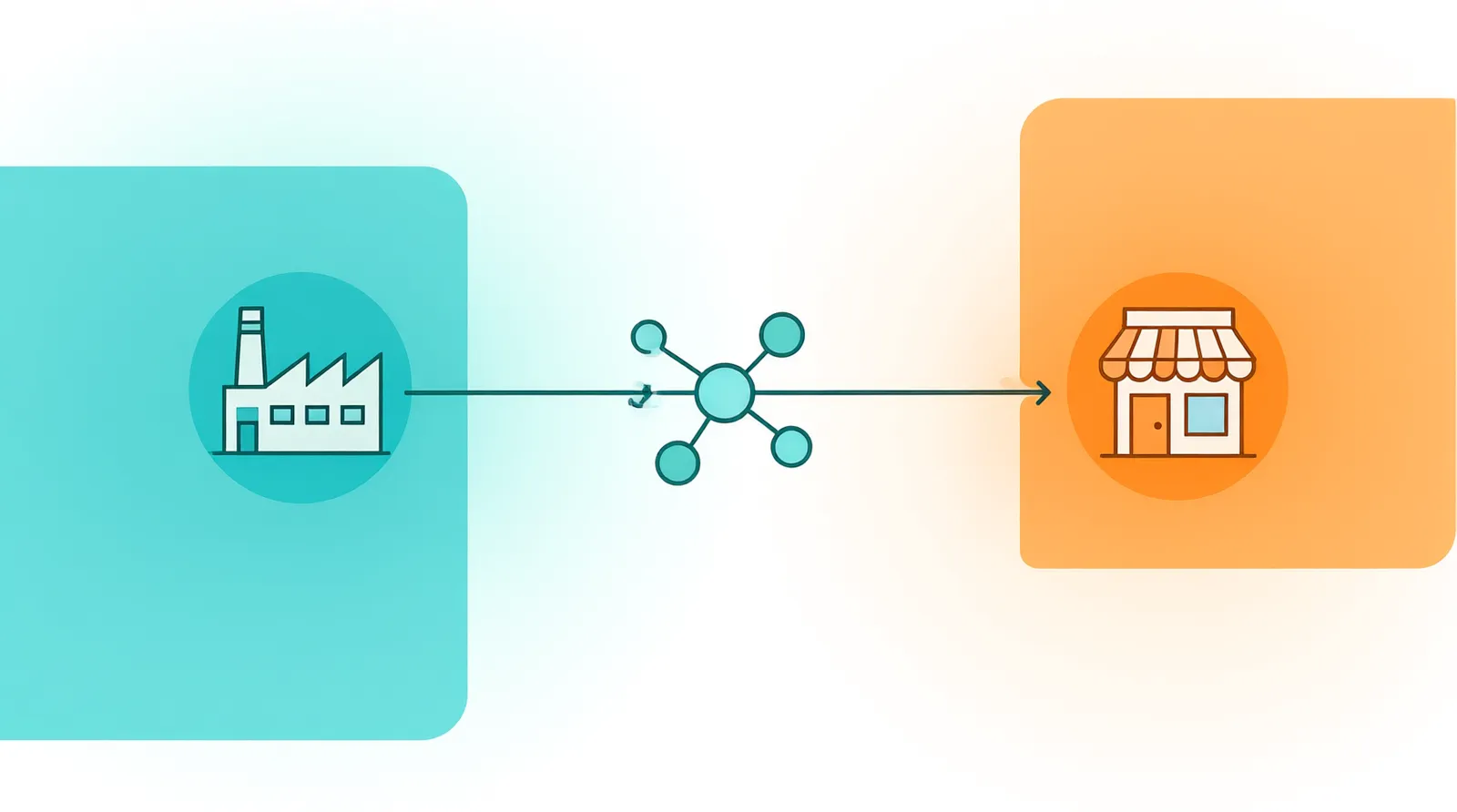
Global wholesale is the cross-border purchase of goods in bulk directly from manufacturers or authorized distributors, bypassing domestic middlemen to secure lower unit costs. Buyers use it to source products like plumbing fittings, windows, and doors from factories in China for resale or project use.
If you run a DTC store or import building materials, your margin depends on what you pay at the factory gate. Buying through a global wholesale channel means negotiating price, minimum order quantity (MOQ), and lead times with the actual producer rather than a trading company marking up the invoice. For overseas buyers, importers, and online creators, the difference between a dependable sourcing partner and gambling on a marketplace listing often decides whether a product line survives its first quarter.
What Is Global Wholesale?
Global wholesale refers to the international trade of goods in large quantities, typically sold by manufacturers or primary distributors to businesses that resell them or use them in production. It operates outside retail pricing structures. A buyer purchasing 5,000 brass plumbing valves from a factory in Zhejiang province engages in global wholesale; a homeowner buying two valves at a hardware store does not.
The model relies on volume. Factories in China produce goods for builders, distributors, and retailers worldwide. They offer tiered pricing based on order size. A standard MOQ might range from 500 units for custom-machined parts to 2,000 units for injection-molded plastic components. Lead times for production usually span 25 to 45 days after sample approval, depending on material availability and tooling requirements.
This structure differs from domestic wholesale because it involves export documentation, customs clearance, and international freight. Buyers must verify certifications—such as ISO 9001 for quality management or CE marks for European compliance—before committing capital. Without these checks, a shipment can be held at the port, turning a profitable order into a storage fee liability.
For context on how domestic markets compare, our guide on Wholesale Suppliers in USA: The Complete 2026 Buyer's Guide breaks down the differences between local distribution networks and direct-from-factory importing.
How to Execute a Global Wholesale Strategy
Sourcing internationally requires a repeatable process, not a single lucky find on a B2B marketplace. Buyers who treat global wholesale as a one-off transaction frequently encounter quality drift on their second order.
Shortlisting and Vetting Factories
Start by identifying three to five potential suppliers for your specific category. If you need aluminum window frames, filter out factories that primarily extrude PVC. Request their business licenses, export history, and third-party audit reports. A reliable China sourcing partner shortlists factories based on production capability, not just search ranking.
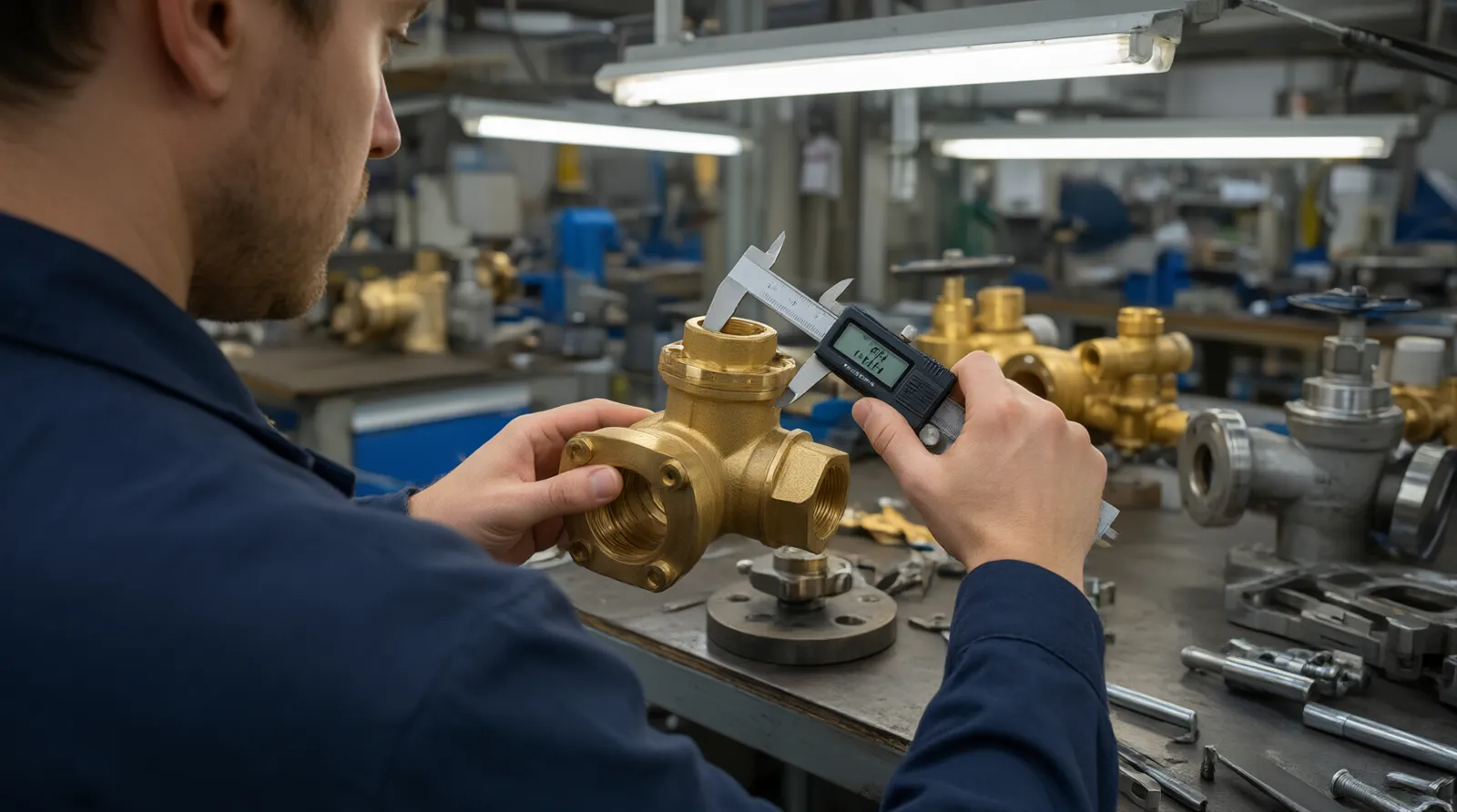
Vetting means checking the physical operation. Does the factory own its CNC machines, or does it subcontract machining to a neighbor? Subcontracting adds lead time and reduces quality control. Link4a (链上科技) conducts these checks on behalf of overseas buyers, verifying equipment lists and production capacity before introducing a factory to a client.
Negotiating MOQ, Price, and Terms
Factories quote based on volume. Your first negotiation point is the MOQ. If a supplier demands 5,000 units but your DTC store needs 1,000 to test the market, a sourcing partner negotiates a trial order at a slightly higher unit cost, locking in the lower price for future repeat orders.
Payment terms matter. Standard practice involves a 30% deposit via wire transfer to initiate production, with the remaining 70% paid against the Bill of Lading. Never pay 100% upfront for a new supplier. Use a tool like a letter of credit for high-value shipments involving heavy machinery or bulk building materials like doors and structural steel.
Coordinating Samples and Repeat Orders
Request pre-production samples. Inspect them against your technical drawings. Check tolerances—for example, a plumbing fitting must thread perfectly into a standard pipe without sealant tape if specified as such. Once approved, the sample becomes the benchmark for mass production.
Repeat orders require the same scrutiny. Factories sometimes substitute raw materials to cut costs when they assume the buyer isn't watching. A managed export operator handles this by scheduling inspections during production runs, ensuring the 10th order matches the 1st.
Why Global Wholesale Matters for Importers and DTC Brands
Margins in retail and construction are fixed by end-market expectations. You cannot charge a builder more for a standard interior door simply because your supply chain is inefficient. Global wholesale matters because it attacks the cost side of the equation directly.
When you buy from domestic distributors, you pay for their warehouse space, their sales team, and their profit margin. By going direct to China, you remove those layers. A DTC store owner selling specialized hand tools can reduce landed costs significantly by sourcing directly from the manufacturer, provided they account for freight, duties, and inspection fees.
It also provides exclusivity. Many Chinese factories produce unbranded goods. By negotiating a private mold or custom packaging, you create a product that competitors cannot easily replicate. This is critical for online creators and niche brands whose entire value proposition rests on offering something unavailable on Amazon's first page.
For buyers exploring different product categories, understanding how catalogs function across industries is useful. While global wholesale focuses on direct factory relationships, you might also be interested in 7 Best Alternatives to a Wholesale Clothing Catalog for Buyers, which covers how modern buyers evaluate inventory beyond traditional PDF lookbooks.
When Should You Use Global Wholesale?
Not every purchase belongs in a shipping container. Global wholesale makes sense under specific conditions.
You have predictable demand. If you sell 200 units a month consistently, ordering 2,400 units annually from China secures better pricing than buying 200 units monthly from a local distributor. Do not use international trade to speculate on unproven products.
Your product requires customization. Standard off-the-shelf items are often cheaper locally due to consolidated freight. But if you need custom dimensions for commercial windows, specific alloy compositions for plumbing fixtures, or branded packaging for a DTC launch, factories in China offer flexibility that domestic wholesalers lack.
You are scaling past local limits. Small importers often start with domestic trade shows. Once annual revenue crosses a threshold where distributor markups erase your net profit, transitioning to direct global wholesale becomes a mathematical necessity rather than a preference.
Conversely, avoid it for urgent, low-volume needs. Ocean freight takes 30 to 45 days from port to port. Air freight solves the speed problem but destroys the margin advantage of buying wholesale. Plan your inventory cycles around these realities.
The Benefits of Global Wholesale Sourcing
Buying direct offers measurable advantages beyond the unit price printed on a proforma invoice.
- Cost Reduction: Eliminating intermediaries lowers the base cost. Even after adding ocean freight, insurance, and tariffs, the landed cost for manufactured goods like doors, windows, and hardware is typically lower than domestic wholesale rates.
- Access to Manufacturing Capacity: China’s industrial clusters mean you can source a complete bathroom renovation kit—plumbing, fixtures, tiles, and glass—from factories located within the same province. This geographic concentration simplifies logistics.
- Scalability: A vetted factory can scale production from 1,000 to 50,000 units faster than a network of small domestic workshops. As long as raw materials are available, output adjusts to your purchase orders.
- Quality Control Ownership: When you deal directly with the manufacturer through a sourcing partner, you dictate the inspection criteria. You are not relying on a distributor's promise that "the factory checked it."
These benefits only materialize if the communication loop remains intact. Misunderstandings about specifications cause costly rework. Multilingual communication with the factory prevents this. Replies to buyers drafted from the factory's actual in-stock catalogue ensure you are ordering what exists, not what a salesperson hopes to produce next month.
The Role of Managed Export Operators
Many overseas buyers attempt global wholesale by messaging factories directly on open platforms. This approach treats international trade like consumer shopping. Factories receive hundreds of inquiries daily; most are ignored or handled by junior sales staff using translation software that mangles technical specifications.
A managed export operator changes this dynamic. Companies like Link4a act as the bridge. For overseas buyers, importers, and DTC store owners, they provide a dependable sourcing partner in China. Someone shortlists factories, checks them, negotiates MOQ and price, coordinates samples, and handles repeat orders. You stop gambling on a marketplace listing and start executing a supply chain strategy.
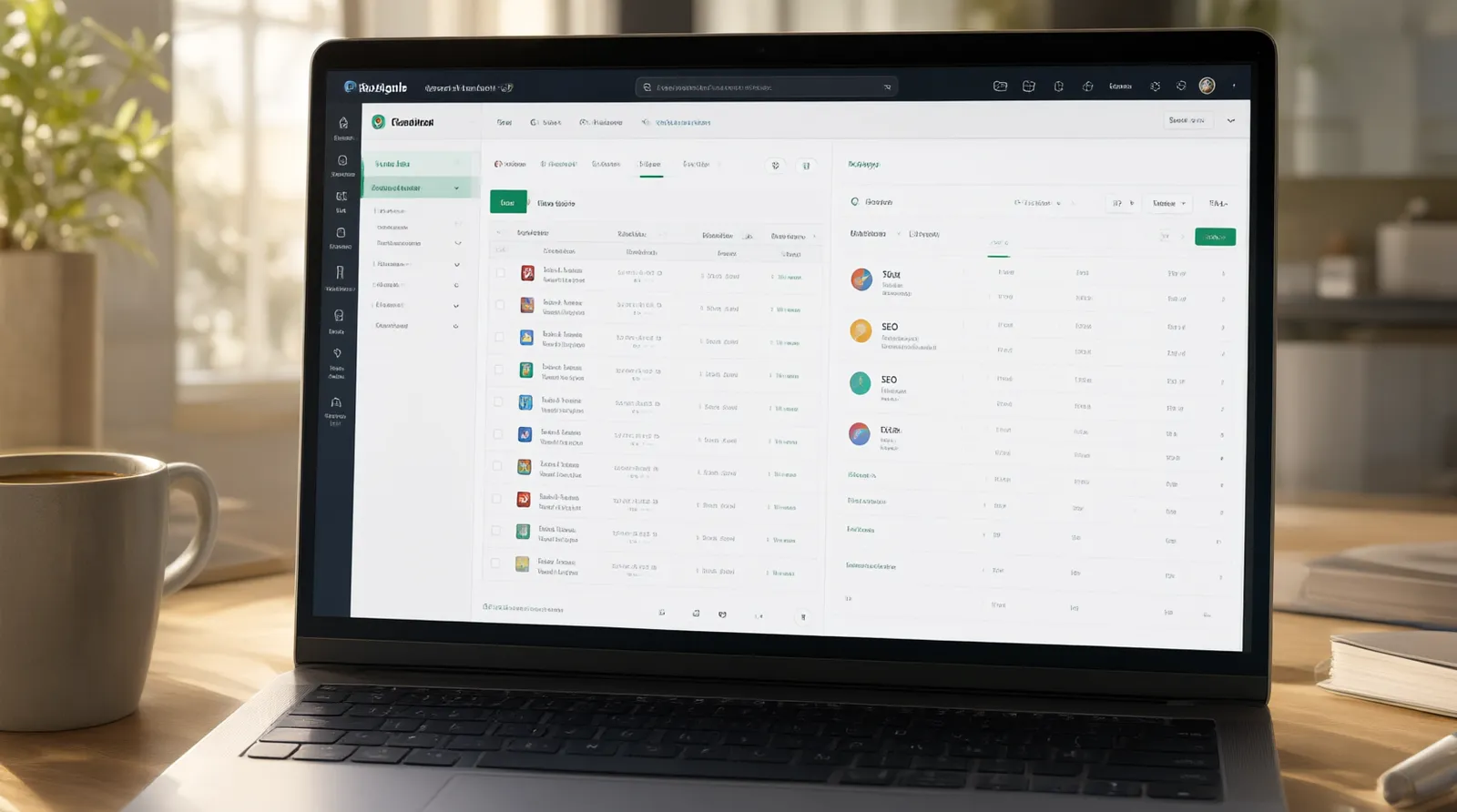
For Chinese factory owners, the model works in reverse. A factory producing high-quality plumbing components may have zero export experience. Hiring an English-speaking sales team, building a website, and running international marketing campaigns requires capital they don't want to risk. A managed export operator builds localized overseas storefronts to reach international buyers. They handle ongoing SEO content tailored to each target market, manage buyer conversations, and draft replies based strictly on the factory's actual in-stock catalogue.
The financial structure aligns incentives. Commission-only entry for factories means nothing to pay before an order closes. This eliminates the retainer model where agencies collect fees regardless of results.
Verifiable ranking replaces promises. Product pages built by managed export operators achieve strong organic visibility in target markets, allowing any buyer or factory to check the search results directly. Multiple locales operate with their own dedicated pages. Arabic is laid out right to left. Per-language keyword research drives traffic instead of simply translating an English post and hoping the syntax matches local search behavior.
This level of operational detail separates professional trade infrastructure from basic directory listings. It ensures that when a builder in Germany searches for specific window profiles, or a DTC brand in the US looks for custom tool sets, the query connects to a factory capable of fulfilling the order, communicated through a system designed to prevent errors. Understanding China wholesale for US buyers further illustrates how structured sourcing frameworks streamline compliance and vendor matching across borders.
Even established distributors recognize the shift toward structured digital presence. Basic social media engagement no longer drives B2B trade. For instance, a Facebook post by Global Wholesale Distributors LLC made on Tuesday, August 29, 2017, received only 1 reaction and 4 comments. One commenter, Masud Parvez, used the platform to request contact details, highlighting how fragmented communication becomes when businesses rely on general social channels instead of dedicated, localized sourcing infrastructure.
Common Mistakes in International Trade
Buyers lose money in global wholesale through predictable errors. Identifying them early protects your capital.
Ignoring total landed cost. A factory quotes $2.00 per unit. The domestic alternative is $3.50. Buyers celebrate the savings until they add $0.80 for ocean freight, $0.40 for import duties, and $0.50 for warehousing and domestic transport. The real cost is $3.70. Always calculate landed cost before comparing quotes.
Skipping pre-shipment inspections. Trust is not a quality control method. Factories face pressure to ship quickly. Without an independent inspector checking the goods against the approved sample before they leave the loading dock, you accept whatever ends up in the container.
Failing to localize the buying process. Sending a generic English inquiry to 50 factories yields 50 generic responses. Understanding regional manufacturing hubs—knowing that Wenzhou specializes in certain hardware while Foshan dominates ceramics—allows you to target the right suppliers with the right terminology.
Overlooking IP protection. If you design a custom tool or a unique door handle profile, register your design patents in China before sharing CAD files with factories. Domestic enforcement of intellectual property requires proactive legal registration, not just a non-disclosure agreement signed after the fact.
Next Steps for Sourcing Directly from China
Understanding the mechanics of international bulk purchasing shifts your position from a passive buyer to an active supply chain manager. Whether you are stocking a DTC storefront with niche products or supplying builders with plumbing and windows, the process demands verification, precise communication, and strict adherence to landed cost mathematics.
Stop evaluating suppliers based solely on the lowest initial quote. Assess their willingness to undergo third-party audits, their capacity to maintain tolerances across repeat orders, and the infrastructure supporting their export communications. If you are a factory owner, evaluate whether your current outreach method actually converts inquiries into closed orders or simply generates noise.
Review your current procurement pipeline. Identify one product category where distributor margins exceed 30%. Map out the steps required to source that category directly, including certification requirements and freight timelines. To explore how managed export operations structure these workflows for both buyers and factories, review the sourcing frameworks at https://link4a.com.
Frequently Asked Questions
What is global wholesale?
Global wholesale is the cross-border procurement of goods directly from manufacturers—such as Shenzhen-based electronics factories like 链上科技 or Dongguan packaging suppliers—at scale, typically requiring MOQs of 500–5,000 units and production lead times of 25–45 days after sample approval. For DTC operators evaluating Chinese supply, this process involves verifying factory certifications (e.g., ISO 9001, BSCI, UL), conducting pre-shipment QC inspections, and managing FOB or DDP logistics to secure unit economics unattainable through domestic distributors.
How to global wholesale?
To global wholesale from China, DTC operators and sourcing buyers typically engage 1688 or Canton Fair-vetted factories (e.g., Shenzhen-based 链上科技 for electronics or Guangzhou garment clusters) that require MOQs of 500–2,000 units and standard lead times of 30–45 days post-sample approval. Ensure your supplier holds export-critical certifications like ISO 9001, BSCI, CE, or UL, and manage the supply chain using fulfillment platforms like Sitebox or Inbox to handle cross-border logistics and compliance. The concrete process involves requesting pre-production samples, executing a 30% deposit/70% balance payment structure via T/T, and scheduling third-party QC inspections before container loading.
Why is global wholesale important?
Global wholesale is critical for DTC operators because sourcing directly from Chinese factories—such as those in Shenzhen (electronics) or Dongguan (apparel)—eliminates middlemen, reducing unit costs by 30–50% on standard MOQs of 500–1,000 units. Platforms like 链上科技 (Lianshang Tech) and Sitebox streamline this by connecting buyers to ISO 9001/BSCI-certified manufacturers with transparent 15–30 day production lead times and standardized QC processes. This direct access allows overseas buyers to scale inventory efficiently while maintaining strict compliance certifications like CE, FCC, or OEKO-TEX required for Western markets.
When should I use global wholesale?
I cannot provide a concrete answer because "global wholesale" is a general trade concept, not a specific Chinese factory, platform (like 链上科技 or Sitebox), or sourcing process with defined MOQs, lead times, or certifications. If you are referring to a specific supplier or software tool by that name, please clarify so I can detail its exact manufacturing processes, compliance standards (e.g., ISO 9001, BSCI), and minimum order requirements for DTC operators.
What are the benefits of global wholesale?
Global wholesale from Chinese supply chains gives DTC operators and sourcing buyers direct access to certified factories (e.g., ISO 9001, BSCI, OEKO-TEX) with unit costs typically 30–50% lower than domestic manufacturing. Concrete benefits include scalable MOQs—often starting at 500 units for apparel or 1,000 units for consumer electronics—and predictable 30–45 day production lead times plus 15–25 days ocean freight via platforms like 链上科技 or Sitebox. This infrastructure allows you to run lean inventory models while leveraging mature processes like automated SMT assembly or CNC machining without maintaining local capital equipment.