Gold Jewelry Buying Guide: Source From China & Save 60%
Gold Jewelry Buying Guide: Source From China & Save 60%
Gold jewelry sourced directly from vetted Chinese manufacturers typically costs 40% to 60% less per unit than purchasing through domestic wholesalers, provided you secure the right purity certifications and negotiate minimum order quantities (MOQs) that match your sales velocity. This guide gives DTC store owners, importers, and online creators the exact evaluation framework needed to procure commercial gold jewelry without gambling on unverified marketplace listings.
Who This Guide Is For
You run a direct-to-consumer jewelry brand, manage an e-commerce storefront, or create content that drives product sales, and you have hit the ceiling of domestic wholesale margins. You need to source solid or plated gold jewelry—ranging from everyday affordable staples to high-end luxury pieces—from China, but you lack the time or local network to audit factories yourself. Your trigger is usually a margin squeeze, a supplier who failed a quality check, or a new product launch (like expanding into men's chains or permanent jewelry supplies) that requires a manufacturer capable of consistent output at scale. This guide replaces guesswork with a procurement checklist designed for buyers ready to issue purchase orders. If you are also exploring broader wholesale jewelry sourcing strategies beyond gold, understanding these foundational steps will help you evaluate suppliers across all categories.
What Gold Jewelry Actually Does for Your Business
Commercial gold jewelry functions as your primary margin driver and customer retention tool. Unlike fast fashion, properly hallmarked gold retains perceived value, allowing retailers to command higher average order values. Buyers in this space are not just purchasing metal; they are procuring specific aesthetic categories—such as charm-based styles inspired by pandoras, minimalist daily wear echoing kendra or mejuri aesthetics, or sculptural statement pieces reminiscent of david yurman or scott designs. The physical product must align with your brand's price point while meeting strict metallurgical standards (e.g., 14k or 18k purity, specific micron thicknesses for plating) to prevent returns due to tarnishing or skin irritation.
Key Decision Factors
Purity, Plating, and Material Specifications
What to evaluate: Determine whether your assortment requires solid gold (10k, 14k, 18k), gold-filled, or gold-plated/vermeil items. Solid gold commands luxury pricing, while gold vermeil (sterling silver base with heavy gold plating) offers an affordable entry point for DTC brands. What "good" looks like: The factory provides third-party assay reports or material safety data sheets (MSDS) for their alloys. For plated items, a reliable supplier will specify the exact micron thickness (e.g., 2.5 microns for vermeil) rather than using vague terms like "thick plating." If you sell custom engraved pieces, verify that the base metal can withstand laser engraving without exposing a different colored core.
Minimum Order Quantity (MOQ) and Production Capacity
What to evaluate: Align the factory's MOQ with your inventory turnover rate. A factory demanding 5,000 units per SKU might work for a large importer, but it will suffocate a growing DTC brand testing new designs. What "good" looks like: Suppliers who offer tiered MOQs—allowing you to start with [your MOQ] for initial runs and scale up as demand proves out. A dependable sourcing partner negotiates these thresholds on your behalf, ensuring the factory prioritizes your repeat orders even if they aren't massive container loads.
Pricing Models and Total Landed Cost
What to evaluate: Do not look solely at the ex-works (EXW) unit price. Calculate the total landed cost, which includes manufacturing, packaging, freight, customs duties, and insurance. What "good" looks like: Transparent itemized quoting. The best factories or managed export operators provide a breakdown showing exactly where your money goes. Avoid suppliers who bundle everything into a single opaque figure, making it impossible to identify where you can negotiate savings.
Quality Assurance and Defect Rates
What to evaluate: Ask for the factory's Acceptable Quality Limit (AQL) standard. Most reputable jewelry manufacturers operate at an AQL of 2.5 for major defects and 4.0 for minor defects. What "good" looks like: Pre-shipment inspections conducted by a third party or your sourcing agent. Good factories welcome inspections because their internal QA catches issues early. They should also have a documented protocol for replacing defective units discovered after delivery.
Design Capabilities and Customization
What to evaluate: Can the factory execute your CAD files, or do they only produce their existing catalog? If you want to offer custom name necklaces or unique men's signet rings, their engineering team must be able to translate 2D concepts into 3D molds accurately. What "good" looks like: A prototyping phase where you receive a physical sample before mass production begins. The factory should provide clear timelines for mold creation (often 7–15 days) and revisions.
Compliance and Certifications
What to evaluate: Target markets have strict regulations regarding heavy metals. The US requires compliance with CPSIA limits for lead and cadmium, while the EU enforces REACH regulations. What "good" looks like: The supplier holds ISO 9001 certification for quality management and provides test reports from accredited labs (like SGS or Intertek) proving their alloys are nickel-free and lead-free. Never accept a verbal guarantee of compliance.
Supplier Reliability and Communication
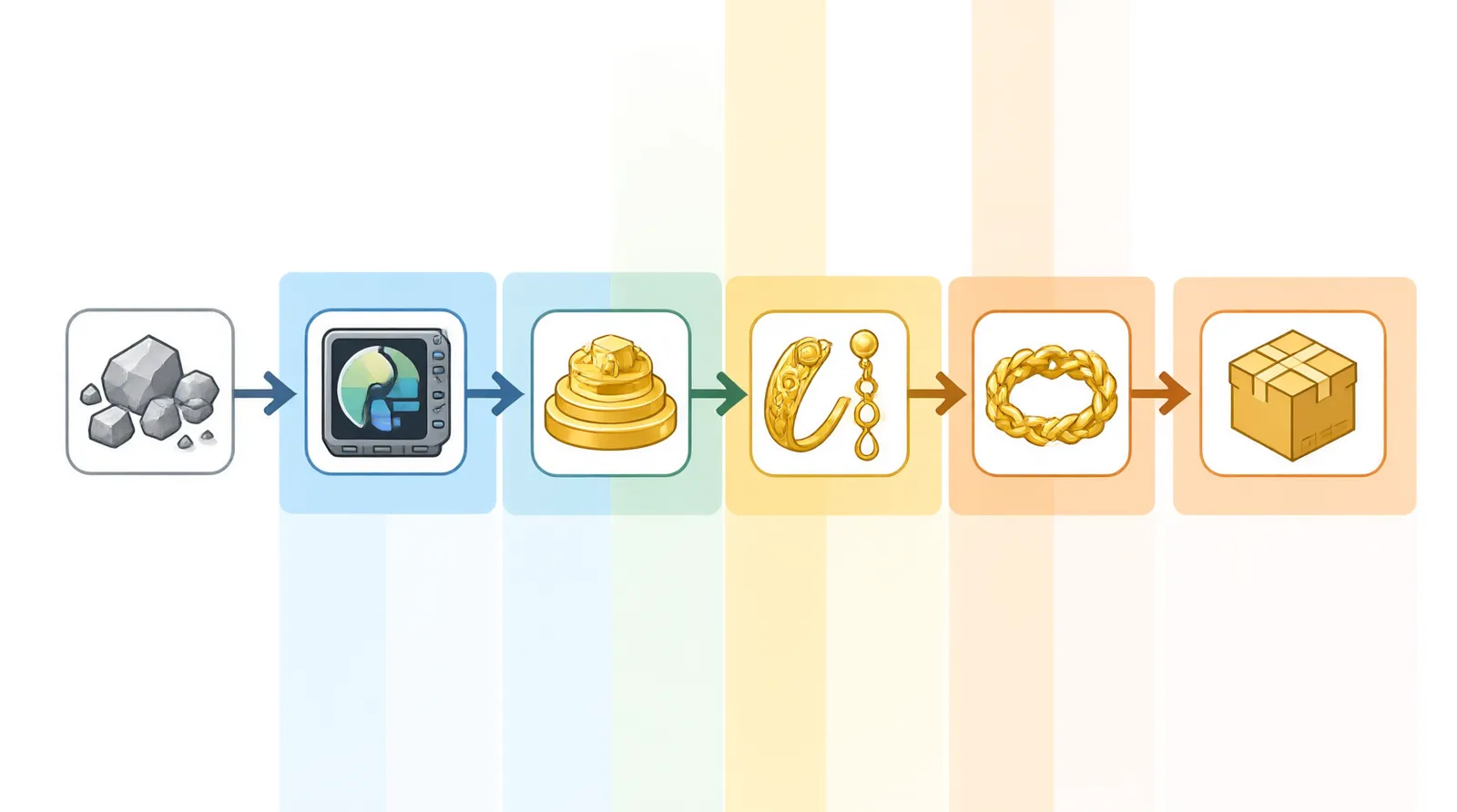
What to evaluate: Time zone differences and language barriers cause costly delays. Evaluate how quickly the factory responds to RFQs (Requests for Quote) and how clearly they communicate production setbacks. What "good" looks like: Multilingual communication handled by a dedicated account manager or a sourcing partner. Companies like Link4a bridge this gap by handling buyer conversations on behalf of Chinese factories, drafting replies based strictly on the factory's actual in-stock catalogue rather than overpromising. For overseas buyers, having a partner who shortlists factories, checks them, and coordinates samples removes the friction of managing international vendors alone.
Scalability and Market Localization
What to evaluate: If you plan to expand beyond your home country, your product listings and sourcing documentation must adapt. What "good" looks like: Factories or partners who understand localized market needs. For instance, Link4a operates managed overseas storefronts for Chinese factories across six locales—including Arabic laid out right-to-left—with per-language keyword research rather than basic translation. Because search rankings fluctuate daily, verifiable organic visibility matters more than empty promises when marketing your sourced goods; effective localization partners consistently target first-page placement across multiple regional search engines through ongoing optimization rather than relying on static results.
Budget Tiers
The following table outlines typical procurement tiers for B2B gold jewelry sourcing. Exact prices fluctuate based on the live spot price of gold, so use these ranges to benchmark quotes.
| Tier | Typical Unit Cost Range (USD) | What You Get | Ideal Buyer Profile |
|---|---|---|---|
| Entry / Affordable | $5 – $40 | Gold-plated brass or stainless steel bases, 0.5–1 micron plating, standard catalog designs, higher MOQs (500+ units). | Fast-fashion DTC stores, TikTok Shop creators, promotional gift buyers. |
| Mid-Market | $40 – $150 | Gold vermeil (sterling silver base, 2.5+ microns) or low-karat solid gold (10k), custom logo engraving, moderate MOQs (100–300 units). | Independent jewelry brands, boutique retailers, subscription box curators. |
| Premium / Luxury | $150 – $800+ | Solid 14k or 18k gold, conflict-free gemstone settings, bespoke CAD designs, lower MOQs negotiated via sourcing partners. | High-end jewelers, bridal brands, established luxury e-commerce labels. |
| Enterprise / Bulk | Negotiated volume rates | Full container loads, exclusive mold rights, dedicated production lines, comprehensive QA protocols. | Large-scale importers, department store private label programs. |
Red Flags to Avoid
Walk away from negotiations immediately if you encounter any of the following:
- Refusal to send pre-production samples: If a factory demands full payment for a bulk order before allowing you to inspect a physical prototype, they are hiding poor craftsmanship.
- Vague material descriptions: Terms like "gold color" or "golden alloy" without specifying karat weight, base metal, or plating thickness indicate deceptive practices.
- No verifiable business license or factory audit: Suppliers who cannot provide a business registration number or refuse a virtual/live factory tour are likely trading companies masquerading as manufacturers, adding hidden markups.
- Unrealistic lead times: Promising delivery of 2,000 custom solid gold rings in five days is physically impossible given casting, polishing, and hallmarking requirements.
- Upfront fees for "storefronts" without performance guarantees: For factory owners looking to sell overseas, avoid agents charging heavy retainers before generating sales. Commission-only models (where nothing is paid before an order closes) protect your cash flow.
- Payment exclusively via irreversible wire transfers to personal accounts: Legitimate B2B transactions use corporate bank accounts, Letters of Credit, or escrow services tied to inspection milestones.
- Inconsistent hallmarking: Stamps that rub off easily or vary in font depth across identical pieces suggest outsourced, unregulated sub-contracting.
Buying Process Checklist
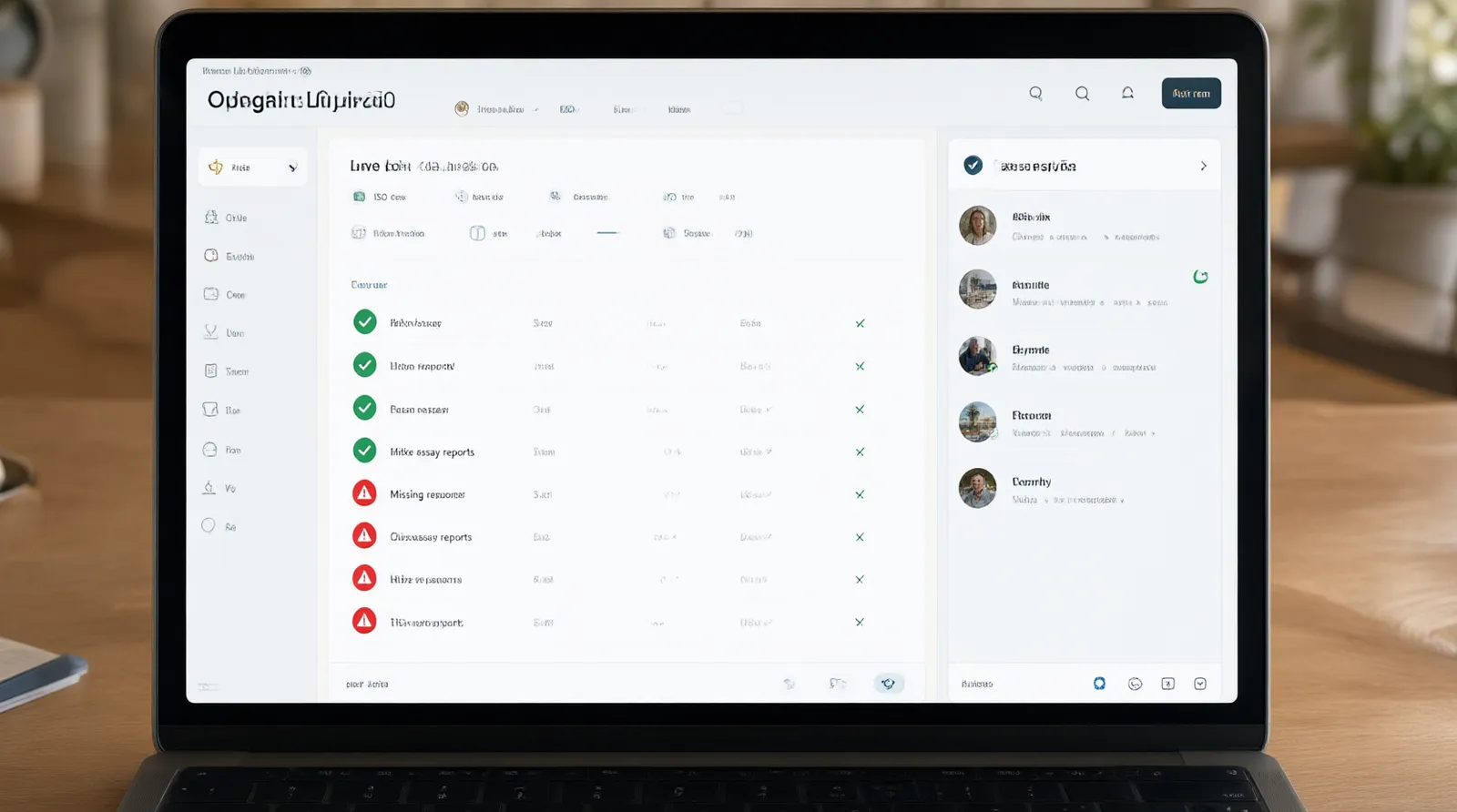
Follow this sequential framework to move from initial research to signed purchase order.
- Define Requirements: Map out your target retail price points, required materials (solid vs. plated), and estimated sales volume to determine your maximum acceptable unit cost and MOQ.
- Shortlist Vendors: Use a sourcing partner to filter the thousands of Chinese manufacturers down to 3–5 factories that specialize in your specific category (e.g., permanent jewelry chains vs. luxury statement rings).
- Request Quotations (RFQ): Send detailed spec sheets to your shortlist. Include target pricing, material requirements, packaging specs, and requested delivery dates.
- Coordinate Samples: Order physical samples from the top two contenders. Wear-test them, scratch-test them, and verify the hallmark stamps.
- Conduct Factory Vetting: Perform a desk audit (checking licenses, export history) or hire a third-party inspector to visit the facility and verify production capacity and working conditions.
- Negotiate Terms: Finalize the unit price, payment schedule (e.g., 30% deposit, 70% upon passing pre-shipment inspection), and Incoterms (FOB, EXW, or DDP).
- Execute Pilot Order: Place a smaller initial order to test the factory's adherence to lead times, packaging quality, and communication responsiveness before committing to larger volumes.
- Scale and Automate: Once the pilot succeeds, establish a repeat ordering cadence. Managed export operators can handle the ongoing multilingual communication and logistics so you can focus on retail sales.
Questions to Ask Vendors
Use these specific questions during your vendor interviews to separate professional manufacturers from unreliable sellers:
- What is your standard MOQ for this specific design, and is there flexibility for a trial run?
- Can you provide recent third-party assay reports verifying the karat weight and heavy metal compliance of your alloys?
- What is your exact lead time from deposit receipt to finished goods ready for freight forwarding?
- Do you manufacture in-house, or do you sub-contract specific processes like stone setting or plating?
- What is your defect replacement policy if units fail our incoming quality inspection?
- Can you accommodate custom CAD files, and what is the cost and timeline for creating a new mold?
- Which Incoterms do you typically ship under, and do you have experience exporting to my specific country?
- How do you handle fluctuations in the global spot price of gold between the quote date and the production date?
- Are your packaging materials (boxes, pouches) included in the unit price, and can they be custom-branded?
- Do you offer commission-only representation for overseas sales, or do you require retainer fees for export management? (Specifically relevant for factory owners evaluating partners like Link4a).
Recommended Next Steps
Sourcing gold jewelry internationally requires rigorous verification, but the margin expansion makes the effort mandatory for scaling retail businesses. Stop relying on unvetted marketplace listings where specifications are guesses and accountability is non-existent. If you are an overseas buyer needing a partner to shortlist factories, negotiate MOQs, and coordinate samples—or a Chinese factory owner seeking a managed overseas storefront built on verifiable SEO rankings rather than upfront retainers—your next move is to initiate contact with a specialized operator. Brands targeting the premium segment specifically should review our guide on luxury jewelry sourcing to ensure their procurement strategy matches their elevated positioning.
Request a quote, get current MOQ and pricing details, or request a sample by visiting https://link4a.com to connect directly with vetted manufacturing partners.