How to Source Gold Jewelry for Women: A B2B Buying Guide
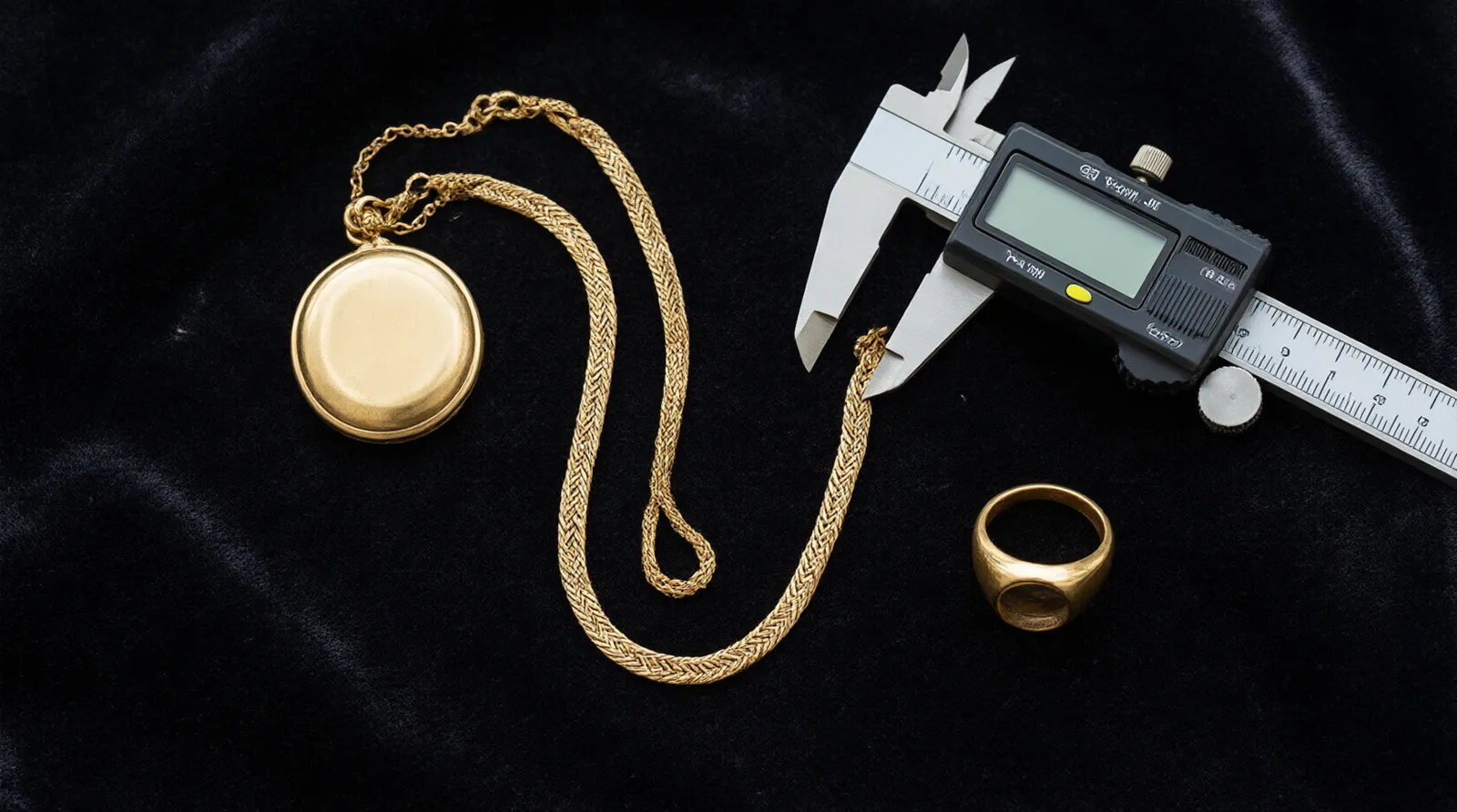
How to Source Gold Jewelry for Women: A B2B Buying Guide
Gold jewelry for women is a high-margin, repeat-purchase category where buyers must evaluate karat purity, manufacturing origin, and supplier reliability before committing capital. Sourcing directly from vetted Chinese factories through a managed export partner like Link4a allows DTC store owners and importers to secure competitive pricing without gambling on unverified marketplace listings.
Who This Guide Is For
This guide targets overseas importers, direct-to-consumer (DTC) store owners, and online creators actively sourcing gold jewelry for women to stock their catalogs or fulfill upcoming seasonal drops. You are likely evaluating suppliers right now because your current margins are shrinking, your existing vendor’s quality has slipped, or you are launching a new brand and need a dependable manufacturing partner who handles the heavy lifting—from factory shortlisting to multilingual communication. If you are a Chinese factory owner looking to sell your catalogue overseas without hiring an internal export sales team, this framework also applies to how your products should be positioned for international B2B buyers. The trigger is transactional: you need concrete criteria to separate reliable manufacturers from risky bets before you wire funds for samples or bulk production. For broader strategies beyond gold, explore our complete guide on sourcing women's jewelry from China.
What Gold Jewelry for Women Actually Does for Your Business
Stocking gold jewelry for women anchors a retail catalog with high perceived value and strong margin potential. Unlike fast fashion, gold retains intrinsic material worth, giving retailers a defensible price floor. Buyers in this space range from those seeking affordable everyday pieces—like 10k or 14k solid gold lockets—to those hunting luxury items that compete aesthetically with legacy houses like David Yurman or trend-driven brands echoing the charm-style appeal of Pandoras, the minimalist lines of Kendra Scott, or the sculptural weight of Scott Kay.
For a retailer, offering this spectrum means you can capture both entry-level shoppers and high-ticket buyers. Some stores even capitalize on the trend of permanent jewelry (welded bracelets and anklets), which requires specific chain styles and clasp-free designs sourced directly from capable factories. Procuring these items reliably means you stop competing solely on price and start competing on curation, quality, and supply chain speed.
Key Decision Factors
Karat Purity and Material Cost Transparency
What to evaluate: The exact karat (10k, 14k, 18k, 22k) and whether the supplier prices based on transparent material costs plus making charges. What "good" looks like: A reliable manufacturer will break down pricing logically. A suggested method for pricing gold jewelry is to multiply the gram weight by the daily gold price (e.g., $58/gram for a 10-gram piece equals $580 for materials) and add 10-20% for making charges Source. Be aware that market norms vary wildly; Indian jewelers often offer solid 22k gold, whereas American jewelers frequently sell 14k gold at higher prices Source. If a supplier cannot provide weight-based pricing or obscures the alloy breakdown, walk away. If your primary focus is the US market standard, our dedicated resource on sourcing 14k gold jewelry breaks down the exact formulas DTC brands use.
Solid Gold vs. Vermeil and Plating Integrity
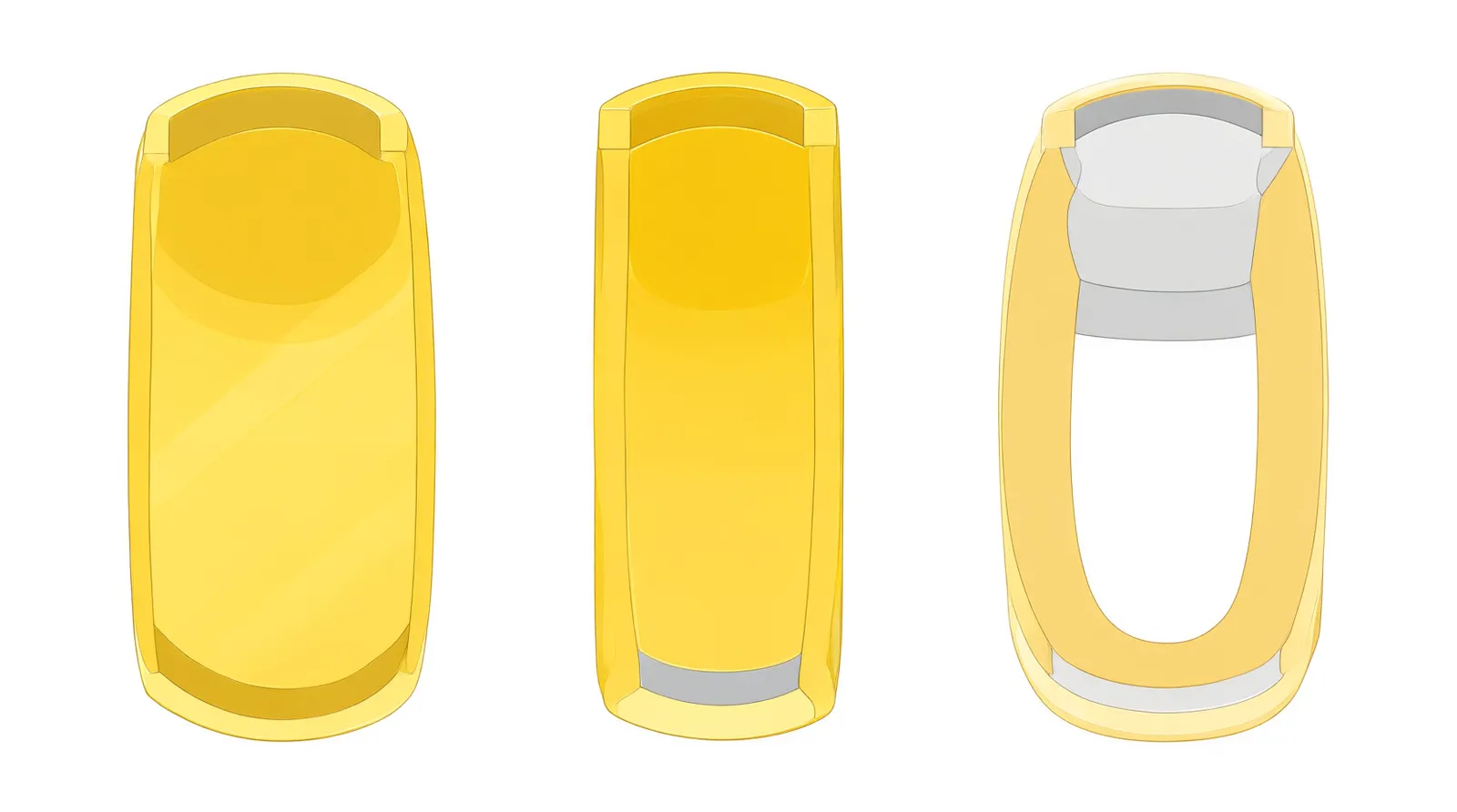
What to evaluate: Whether the product is solid gold, gold-filled, or gold vermeil, and the micron thickness if plated. What "good" looks like: Honest categorization. Many popular jewelry brands sell a lot of gold vermeil rather than solid gold, but buyers must know that gold vermeil jewelry can tarnish quickly even with proper care Source. A good supplier clearly labels vermeil items and provides plating thickness specs (e.g., 2.5 microns minimum for vermeil) so you can set accurate customer expectations and reduce return rates.
Minimum Order Quantity (MOQ) and Scalability
What to evaluate: The MOQ per SKU versus per order, and whether the factory scales with you as demand grows. What "good" looks like: Flexible thresholds. A sourcing partner like Link4a negotiates MOQ and price directly with vetted Chinese factories, ensuring you aren't forced into buying 500 units of a single custom design just to get a foot in the door. Good suppliers allow mixed-SKU orders to meet the total MOQ, letting you test multiple styles—such as permanent jewelry chains alongside statement rings—without overcommitting capital.
Factory Vetting and Supplier Reliability
What to evaluate: How the factory was selected, audited, and verified for consistent output. What "good" looks like: Third-party verification rather than blind trust. Instead of gambling on a marketplace listing, working with a managed export operator means someone physically shortlists factories, checks them, coordinates samples, and handles repeat orders. For factory owners, partnering with an export operator that manages international storefronts ensures buyers get accurate lead times and availability, not fabricated promises.
Pricing Model and Total Cost of Ownership
What to evaluate: Unit cost, shipping, duties, sample fees, and the financial risk of the partnership model. What "good" looks like: Aligned incentives. Working with an export partner that structures its fees around successful transactions means nothing is paid before an order closes. For buyers, this translates to dealing with motivated, pre-vetted suppliers whose primary goal is fulfilling the order accurately. Total cost of ownership should factor in the 10-20% making charges mentioned earlier, plus logistics, rather than just the raw unit price.
Custom Capabilities and Design Protection
What to evaluate: The factory’s ability to execute custom CAD designs, cast original molds, and protect your intellectual property. What "good" looks like: Documented NDA processes and dedicated mold storage. If you are designing a proprietary clasp for a permanent jewelry line or a signature pendant inspired by luxury aesthetics, the factory must have in-house CAD and casting capabilities. Good partners ensure your custom molds are never used to produce goods for other buyers.
Multilingual Communication and Market Localization
What to evaluate: How effectively the supplier communicates technical specs, delays, and compliance details across language barriers. What "good" looks like: Native-level support tailored to your market. A competent export partner provides localized storefronts adapted for different regions, including appropriate text directionality for languages like Arabic, and conducts per-language keyword research instead of simply translating an English post. When you ask a question about gold purity, the answer comes back clearly in your native business language, eliminating costly misunderstandings.
Verifiable Performance and SEO Visibility
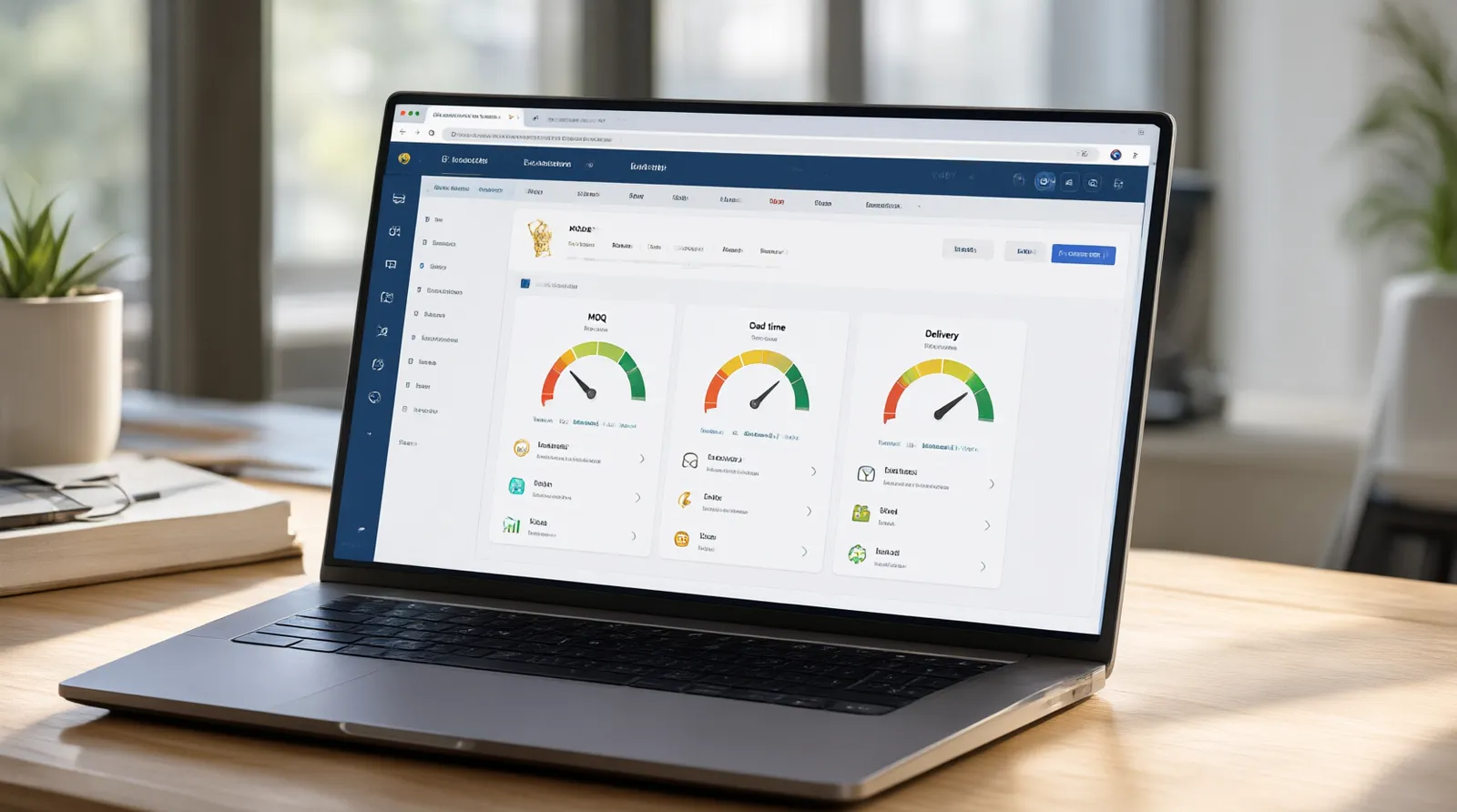
What to evaluate: Proof that the supplier or sourcing partner actually delivers results, rather than relying on marketing claims. What "good" looks like: Hard data. Look for verifiable ranking rather than promises. As of the time of writing, effective sourcing partners demonstrate that client product pages regularly achieve first-page search engine visibility for relevant queries, with performance data published openly for verification. Suppliers and partners who publish their results give you confidence that their operational excellence extends to how your products will perform in the market.
 ](PLACEHOLDER)
Budget Tiers
When budgeting for gold jewelry for women, base your calculations on the daily gold spot price multiplied by weight, plus the agreed-upon making charges Source. The tiers below reflect typical B2B procurement strategies.
| Tier | Target Buyer Profile | Typical Price Range / Strategy | What You Get |
|---|---|---|---|
| Entry | New DTC brands, online creators testing the market | Lower absolute spend via 10k or 14k solid gold; focus on lightweight pieces (e.g., 1-3 gram lockets similar to Kinn's offerings) | Low MOQ access, basic chain styles, standardized packaging, affordable entry point for customers. |
| Mid-Market | Established boutiques, growing e-commerce stores | Moderate spend focusing on 14k and 18k gold; balancing material weight with intricate designs | Mixed-SKU orders, custom branding options, better negotiation on making charges (closer to 10%), faster sample turnaround. |
| Enterprise | Large-scale importers, multi-location retailers | High volume spend; bulk purchasing of raw materials akin to how large Indian jewelers operate to drive down unit costs | Dedicated production lines, fully custom CAD/mold work, strict QA protocols, priority capacity during peak seasons. |
| Luxury | High-end concept stores, premium private labels | Premium pricing focused on 18k and 22k solid gold, heavy gram weights, and gemstone integration | Designs rivaling legacy houses, hand-finishing, bespoke packaging, rigorous hallmarking and certification. Retailers targeting this segment should review our guide to luxury jewelry sourcing to understand the specific QA requirements involved. |
Red Flags to Avoid
- Refusal to disclose gram weight: If a supplier only quotes flat prices per piece and refuses to tell you the exact weight in grams, they are likely hiding massive markups above the daily gold price. Always ask the weight and use the daily price of gold as a reference for material cost Source.
- Marketing vermeil as "solid gold equivalent": Any vendor implying that gold vermeil offers the same longevity as solid gold without disclosing tarnish risks is misrepresenting the product.
- Unverifiable factory addresses: If you cannot verify the factory exists—or if your contact refuses to allow a third-party sourcing partner to audit the facility—you are likely dealing with a middleman marking up prices while taking zero responsibility for quality.
- Demanding 100% upfront payment for bulk: Standard practice involves a deposit (often 30%) with the balance due after pre-shipment inspection. Demanding full payment before production begins is a major risk indicator.
- No clear policy on defective rates: Manufacturing gold jewelry involves inherent variances. A supplier who claims a 0% defect rate is lying; one who won't define their acceptable threshold (e.g., under 2%) and replacement policy will leave you holding the bag.
- Generic, translated-only catalogs: If a supplier’s entire international presence is a poorly machine-translated PDF rather than localized, market-specific communication, expect severe friction when troubleshooting production issues.
Buying Process Checklist
Follow this sequence to move from initial research to confirmed inventory without unnecessary financial exposure.
- Define Requirements: Determine your target karat (e.g., 14k for US markets, 18k or 22k for European/Middle Eastern markets), product categories (chains, rings, permanent jewelry links), and maximum acceptable making charges (target 10-20% over material cost).
- Engage a Sourcing Partner: Rather than messaging random factories, engage a China sourcing partner like Link4a to shortlist and check factories on your behalf, saving weeks of dead-end communication.
- Shortlist Vendors: Review the partner’s vetted list. Evaluate their specialization (e.g., do they excel at delicate chains or heavy cast rings?) and confirm they handle multilingual communication.
- Request & Coordinate Samples: Never approve a bulk run without physical samples. Have your sourcing partner coordinate sample production, checking for weight accuracy, clasp functionality, and finish quality against your specs.
- Negotiate MOQ and Price: Use the sample approval as leverage. Have your partner negotiate the final MOQ and lock in the pricing formula (daily gold price + agreed making charge percentage).
- Execute Pilot Order: Place a smaller initial order to test the factory’s production consistency, packaging standards, and shipping timelines before committing to enterprise-level volumes.
- Conduct Reference Checks: Ask the sourcing partner for performance data. Verify claims, such as search visibility or past delivery records, to ensure long-term stability.
- Finalize Contract and Repeat Orders: Sign agreements covering IP protection for custom designs, defect resolution, and lead times. Transition into a repeat ordering cadence managed by your export operator.
Questions to Ask Vendors
Use these specific questions during your evaluation phase to gauge a supplier's competence and transparency:
- What is your exact pricing formula? Do you calculate based on the daily gold spot price multiplied by gram weight plus a making charge percentage?
- Can you provide independent assay certificates verifying the karat purity (e.g., 10k, 14k, 18k) of your production batches?
- What is your standard MOQ per SKU, and are you willing to negotiate mixed-SKU orders to meet a total order minimum?
- If I require a custom design, do you handle CAD modeling and mold creation in-house, and what is your policy on protecting my intellectual property?
- For gold vermeil items, what is the exact micron thickness of the plating, and what base metal is used underneath?
- What is your documented defect rate threshold, and what is the step-by-step process for replacing or crediting faulty goods?
- How do you handle international communication? Do you provide support in my native language, or is it strictly translated from Mandarin?
- What is your current lead time from deposit receipt to port departure for a mid-market order size?
- Are your facilities audited by third parties for ethical labor practices and environmental compliance regarding chemical runoff from casting and plating?
- Do you maintain safety stock of popular chain styles (e.g., cable, figaro, paperclip) for rapid replenishment, or is everything made-to-order?
- How do you package the jewelry to prevent scratching and tarnishing during ocean or air freight transit?
- If we use a managed export operator like Link4a, how seamlessly does your production schedule integrate with their coordination and weekly reporting?
Recommended Next Steps
Sourcing gold jewelry for women profitably requires moving past marketplace guesswork and establishing a verified, mathematically sound supply chain. Stop paying inflated domestic wholesale prices or risking capital on unvetted overseas contacts.
If you are an overseas buyer, importer, or DTC store owner ready to secure reliable manufacturing, or a factory owner looking to scale internationally on a commission-only basis, initiate the process today. Visit Link4a to request a quote, get current MOQ and pricing parameters, or request a sample from a vetted production line.