How to Source Luxury Jewelry from China: A Retail Buyer's Guide
How to Source Luxury Jewelry from China: A Retail Buyer's Guide
Luxury jewelry procurement requires verifying metal purity, gemstone provenance, and factory production capacity before committing capital. Buyers who skip supplier vetting or rely solely on unverified marketplace listings risk receiving plated base metals sold as solid gold, inconsistent sizing across batches, or shipments delayed by months without recourse. This guide provides the concrete evaluation criteria, budget frameworks, and checklists needed to source luxury jewelry from Chinese manufacturers with confidence.
Who this guide is for
This guide is built for overseas buyers, DTC store owners, importers, and online creators actively sourcing luxury jewelry inventory for retail or brand launches. You are likely evaluating suppliers because your current manufacturer has hit quality plateaus, you are expanding into new categories like men's chains or permanent jewelry components, or you need a dependable sourcing partner in China to shortlist factories, negotiate MOQs, and handle repeat orders instead of gambling on a marketplace listing. If you are a buyer trying to bridge the gap between affordable pricing and high-end finishing—competing with the aesthetic standards set by brands like David Yurman or Kendra Scott—you need a systematic approach to wholesale jewelry sourcing that eliminates guesswork.
What luxury jewelry actually does
Luxury jewelry serves as both a high-margin retail product and a vehicle for brand positioning. Unlike fast fashion accessories that compete purely on price, fine jewelry commands margins based on material integrity (e.g., 14k or 18k gold, sterling silver), craftsmanship tolerances, and design exclusivity. For a retailer, stocking luxury jewelry shifts the average order value significantly upward. A single custom-designed pendant sourced correctly can anchor an entire seasonal collection. The operational reality of selling these pieces means your supply chain must deliver consistent plating thicknesses, secure stone settings, and reliable clasp mechanisms batch after batch. Failure in any of these areas results in returns that destroy margin and erode customer trust.
Key decision factors
Material Integrity and Hallmarking
What to evaluate: Request documentation proving the exact alloy composition. If you are sourcing gold pieces, verify whether the factory uses solid gold, gold-filled, or gold vermeil, and demand the specific micron thickness for plating. What "good" looks like: A reliable manufacturer provides assay certificates or third-party lab test results for their metal batches. They do not use vague terms like "gold-tone." They clearly distinguish between solid 14k/18k gold and plated alternatives, ensuring you can legally and ethically market the final product to your customers.
Minimum Order Quantity (MOQ) and Scalability
What to evaluate: Assess whether the factory’s MOQ aligns with your cash flow and inventory turnover rate. Many overseas manufacturers require high initial volumes that trap small DTC brands in dead stock. What "good" looks like: A strong sourcing partner negotiates MOQs down to a level that allows you to test a custom design before committing to bulk. Good scalability means the factory can handle a 50-unit sample run and smoothly transition to a 5,000-unit repeat order without degrading lead times or finishing quality.
Design Customization Capabilities
What to evaluate: Determine if the factory offers true CAD-to-cast custom manufacturing or just minor modifications to existing molds. If you want to create a signature line inspired by the cable motifs popularized by David Yurman or the colorful gemstone drops seen in Kendra Scott collections, the factory needs advanced casting technology. Understanding how to evaluate custom jewelry manufacturing capabilities is essential before approving any molds. What "good" looks like: The vendor provides 3D CAD renderings for approval before cutting molds. They accommodate bespoke requests—such as engraving, unique stone cuts, or specific chain links for permanent jewelry applications—and hold those designs exclusively for your brand.
Production Lead Times and Reliability
What to evaluate: Map out the timeline from deposit payment to port delivery. Factor in mold creation, casting, polishing, stone setting, quality inspection, and export logistics. What "good" looks like: Transparent vendors provide a Gantt-style production schedule. A standard lead time for custom luxury jewelry typically spans several weeks, but "good" means the factory communicates delays proactively rather than missing the shipping window silently.
Quality Assurance and Defect Rates
What to evaluate: Ask about their internal QC process. Do they inspect every piece, or do they use Acceptable Quality Limit (AQL) sampling? Check how they handle clasps, prongs, and solder joints—the most common failure points in necklaces and rings. What "good" looks like: The factory conducts multi-stage inspections (post-casting, post-polishing, pre-packing). They offer a clear policy for replacing defective units and provide photographic evidence of the QC process before shipping.
Compliance and Certifications
What to evaluate: Verify that materials meet the regulatory standards of your target market. For example, the EU’s REACH regulation strictly limits nickel and cadmium release in jewelry. California’s Proposition 65 requires specific warnings for lead exposure. What "good" looks like: The manufacturer holds ISO certifications or provides SGS/Intertek test reports proving their alloys and plating baths are free from restricted heavy metals. They understand the compliance requirements of the US, European, and Middle Eastern markets.
Vendor Stability and Communication
What to evaluate: Assess the financial health and operational maturity of the factory. Language barriers and timezone differences frequently derail international procurement. What "good" looks like: Working through a managed export operator like Link4a ensures multilingual communication, meaning replies to buyers are drafted from the factory's actual in-stock catalogue rather than generic templates. A stable vendor doesn't disappear during peak seasons or suddenly change ownership without notice.
Total Cost of Ownership (TCO)
What to evaluate: Look beyond the per-unit FOB price. Calculate shipping, import duties, insurance, defect replacement costs, and the administrative overhead of managing the relationship. What "good" looks like: An affordable unit price that doesn't trigger massive hidden costs. A slightly higher upfront cost from a factory with a near-zero defect rate and reliable shipping often yields a lower TCO than a cheap supplier whose products require extensive rework or generate high return rates.
Budget tiers
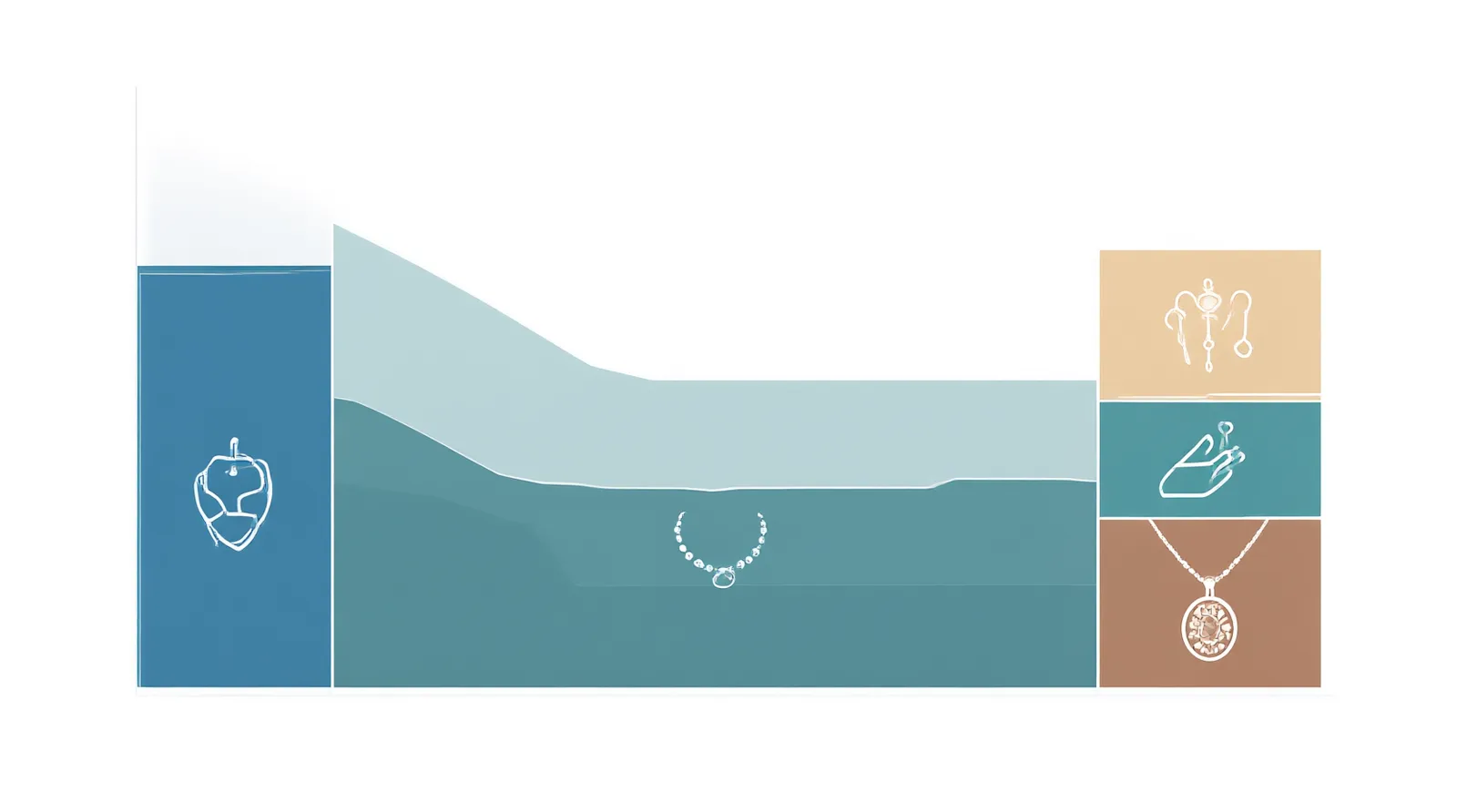
When sourcing luxury jewelry from China, pricing varies drastically based on materials, complexity, and order volume. Use this framework to align your expectations with market realities.
| Tier | Typical Price Range (Per Unit) | Target Buyer Profile | What You Get |
|---|---|---|---|
| Entry / Affordable | $15 – $75 | Online creators, boutique DTC stores testing the market. | Sterling silver (925) or brass bases with high-quality gold plating (vermeil). Standard designs with minimal customization. Higher MOQs may apply to keep unit costs low. Suitable for brands aiming for the accessible aesthetic of pandoras-style charm bracelets or entry-level fashion jewelry. |
| Mid-Market | $75 – $350 | Established retailers, growing e-commerce brands. | Solid 10k/14k gold, semi-precious stones, or lab-grown diamonds. Moderate customization capabilities (custom engravings, modified molds). Better packaging options and more flexible MOQs negotiated by your sourcing partner. Ideal for expanding into specialized categories like men's signet rings or permanent jewelry welding supplies. |
| Enterprise / High-End | $350 – $5,000+ | Importers, established luxury houses, high-volume distributors. | Solid 18k gold, natural precious gemstones, complex custom CAD designs. Exclusive mold rights, dedicated production lines, and rigorous third-party assay testing. Lowest acceptable defect rates and priority production scheduling. |
Note: Exact pricing depends heavily on daily precious metal spot prices and gemstone availability. Always request a formal quote based on current material costs.
Red flags to avoid
Walk away from a supplier immediately if you encounter any of the following during your vetting process:
- Refusal to provide third-party assay reports: If a factory claims their chains are solid 14k gold but refuses to send samples to an independent lab like SGS or Intertek for verification, they are likely misrepresenting the alloy.
- Demanding 100% payment upfront via irreversible methods: Legitimate B2B transactions use structured payment terms (e.g., 30% deposit, 70% upon completion and pre-shipment inspection). Requests for full payment via Western Union or crypto are hallmarks of fraud.
- Vague answers regarding IP protection: If you share a custom CAD file and the factory cannot articulate how they prevent their other clients from copying your design, your intellectual property is at risk.
- No physical address or refusal of factory audits: Suppliers operating solely through a P.O. box or refusing video tours/in-person visits may be trading companies masquerading as manufacturers, adding unnecessary markups.
- Unrealistically fast lead times for complex pieces: Casting, cooling, polishing, and setting stones takes time. A vendor promising a 5-day turnaround on 500 custom-set rings is cutting corners on quality or lying about their capacity.
- Inconsistent sample quality: If the golden sample they mail you looks flawless, but you have no mechanism to ensure the bulk production matches it, you are buying blind.
- Lack of export experience: Factories that do not understand Incoterms, customs documentation, or destination-market compliance will cause your shipments to be seized or delayed at the border.
Buying process checklist
Follow this sequential framework to move from initial research to finalized procurement without skipping critical validation steps.
- Define Requirements: Document your exact specifications. Specify the metal type (e.g., 14k yellow gold), gemstone dimensions, clasp mechanisms, target retail price point, and required compliance standards (REACH, Prop 65).
- Shortlist Vendors: Identify potential manufacturers. Instead of scrolling through unvetted marketplace listings, engage a China sourcing partner like Link4a to shortlist factories based on verified capabilities, existing tooling, and export history.
- Request Initial Quotes & MOQ Negotiation: Send your spec sheet to the shortlisted vendors. Have your sourcing partner negotiate the MOQ and price to ensure the economics work for your business model.
- Coordinate Samples (POC): Order physical samples. Test them rigorously—wear them, expose them to water, check the clasp tension, and verify the weight against the CAD specifications.
- Conduct Factory Audits: Verify the factory's working conditions, machinery, and quality control stations. If you cannot travel to China, utilize a managed export operator who checks the facilities on your behalf.
- Perform Reference Checks: Ask the vendor for contact information of other overseas buyers they currently manufacture for. Confirm their track record on delivery timelines and dispute resolution.
- Finalize Contracts & IP Agreements: Sign a manufacturing agreement that explicitly covers defect thresholds, penalty clauses for late delivery, and non-disclosure/non-compete terms for your custom designs.
- Initiate Production & Pre-Shipment Inspection: Pay the deposit. Before the final balance is released, conduct a pre-shipment inspection (either personally or via a third-party QC agency) to verify the bulk order matches the approved sample.
Questions to ask vendors
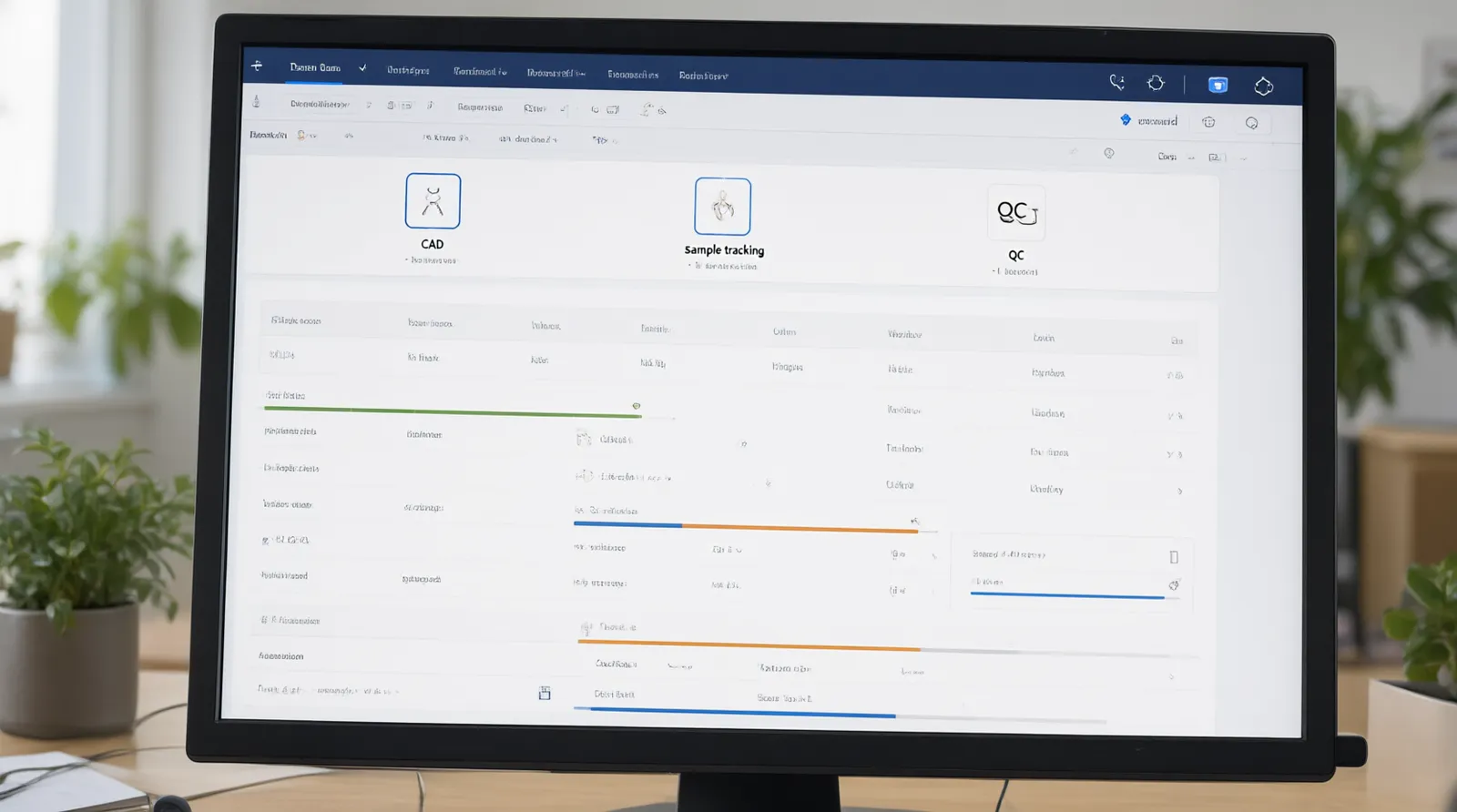
Use these specific questions during your supplier interviews to separate capable manufacturers from unreliable ones:
- What is your standard MOQ for custom CAD designs versus modifications to your existing catalog?
- Can you provide recent SGS or Intertek test reports verifying the metal purity and heavy metal compliance of your current production batches?
- What is your exact procedure if a pre-shipment inspection reveals a defect rate higher than our agreed AQL?
- How do you secure my custom molds and CAD files to ensure they are never used for other clients or sold on open marketplaces?
- What is your typical lead time from deposit receipt to goods arriving at the departure port, and what variables most commonly delay it?
- Do you offer tiered pricing based on volume, and at what unit thresholds do those price breaks occur?
- How do you handle fluctuations in raw material costs (e.g., sudden spikes in the spot price of gold) between the time I place the order and production begins?
- Can you accommodate specialized finishes, such as matte, hammered, or rhodium plating over silver, and what is the cost difference?
- What export documentation do you provide, and are you experienced with shipping to [your specific country]?
- If I am scaling a category like men's luxury chains or permanent jewelry supplies, what is your maximum monthly production capacity for those specific items?
- Do you offer multilingual support, or will I be communicating exclusively through a translator?
- Are your gemstones ethically sourced, and can you provide chain-of-custody documentation if required by my market?
Recommended next steps
Sourcing luxury jewelry internationally requires precision, verified partnerships, and strict quality controls. Relying on chance when selecting a manufacturer risks your capital, your inventory launch dates, and your brand's reputation. The most efficient path forward is to bypass the noise of open marketplaces and partner with a team that already understands the manufacturing landscape.
Link4a operates as a managed export partner, handling supplier shortlisting, factory vetting, MOQ and price negotiation, sample coordination, and multilingual communication directly with the factories. For buyers, this removes the friction of cross-border procurement. For Chinese factory owners looking to sell overseas without building an internal export sales team, Link4a provides a managed storefront in six languages—including right-to-left Arabic layouts and per-language keyword research rather than direct English translation—charging commission only on closed orders. Their approach relies on verifiable ranking; a sweep of 60 product pages on a client store found 17 ranking first on US Google and 31 in the top 10, with the queries published directly on their homepage.
Stop guessing on supplier reliability. Visit https://link4a.com to request a quote, get current MOQ and pricing parameters, or coordinate your first sample run today.