How to Source Platinum Jewelry From China: A B2B Buying Guide
How to Source Platinum Jewelry From China: A B2B Buying Guide
Platinum jewelry is manufactured from an alloy that is 90% to 95% pure, typically stamped as 950 grade platinum or 900 Pt. For importers and DTC store owners, sourcing it means securing a metal that is naturally hypoallergenic, requires no rhodium plating, and commands a retail price point 3-4 times higher than gold due to its density and rarity (Apples of Gold). If you are also expanding into other precious metals, review our guide on how to source solid gold jewelry to build a complete high-value catalogue.
Who This Guide Is For
This guide is built for overseas importers, DTC e-commerce store owners, and online creators who are ready to add high-margin precious metals to their catalogues but need a dependable way to source them from China. You are past the browsing phase. You know your customer base—whether they shop for bridal rings inspired by David Yurman aesthetics or stackable charms similar to Pandoras—and you need a partner who shortlists factories, verifies their casting capabilities, negotiates MOQs, coordinates samples, and handles repeat orders in your language. If you are currently gambling on unvetted marketplace listings and dealing with inconsistent alloy purities, this framework will restructure how you procure luxury goods. For a broader overview of vetting manufacturers across all categories, start with our fine jewelry sourcing guide.
What Platinum Jewelry Actually Does for Your Catalogue
Platinum jewelry anchors a premium product line. It is one of the world's rarest precious metals, with annual worldwide production sitting at just about 160 tons compared to roughly 1500 tons for gold (Thomas Michaels). That scarcity translates directly into perceived value. An estimated one-quarter of today's brides choose platinum for their engagement rings, driven by its superior strength for setting diamonds and its natural icy white color that enhances brilliance without fading (Thomas Michaels).
For a retailer, stocking platinum means offering a permanent solution to customers tired of white gold that wears down and requires constant replating. Because platinum is an inert metal that does not oxidize or tarnish, the after-sales support burden drops significantly. It also opens the door to custom, high-ticket commissions that standard silver or brass lines cannot support.
Key Decision Factors
Purity Standards and Hallmarking
When evaluating a factory, verify exactly what alloy they cast. Legitimate platinum jewelry should be marked 900 Pt, 950 Plat, or Plat (Thomas Michaels). "Good" looks like a supplier who provides third-party assay certificates for every batch, proving the metal is 95% pure (950 grade) rather than a diluted mix padded with cheaper base metals. Never accept a vendor who claims "platinum-plated" or refuses to stamp hallmarks.
Weight, Density, and Material Costs
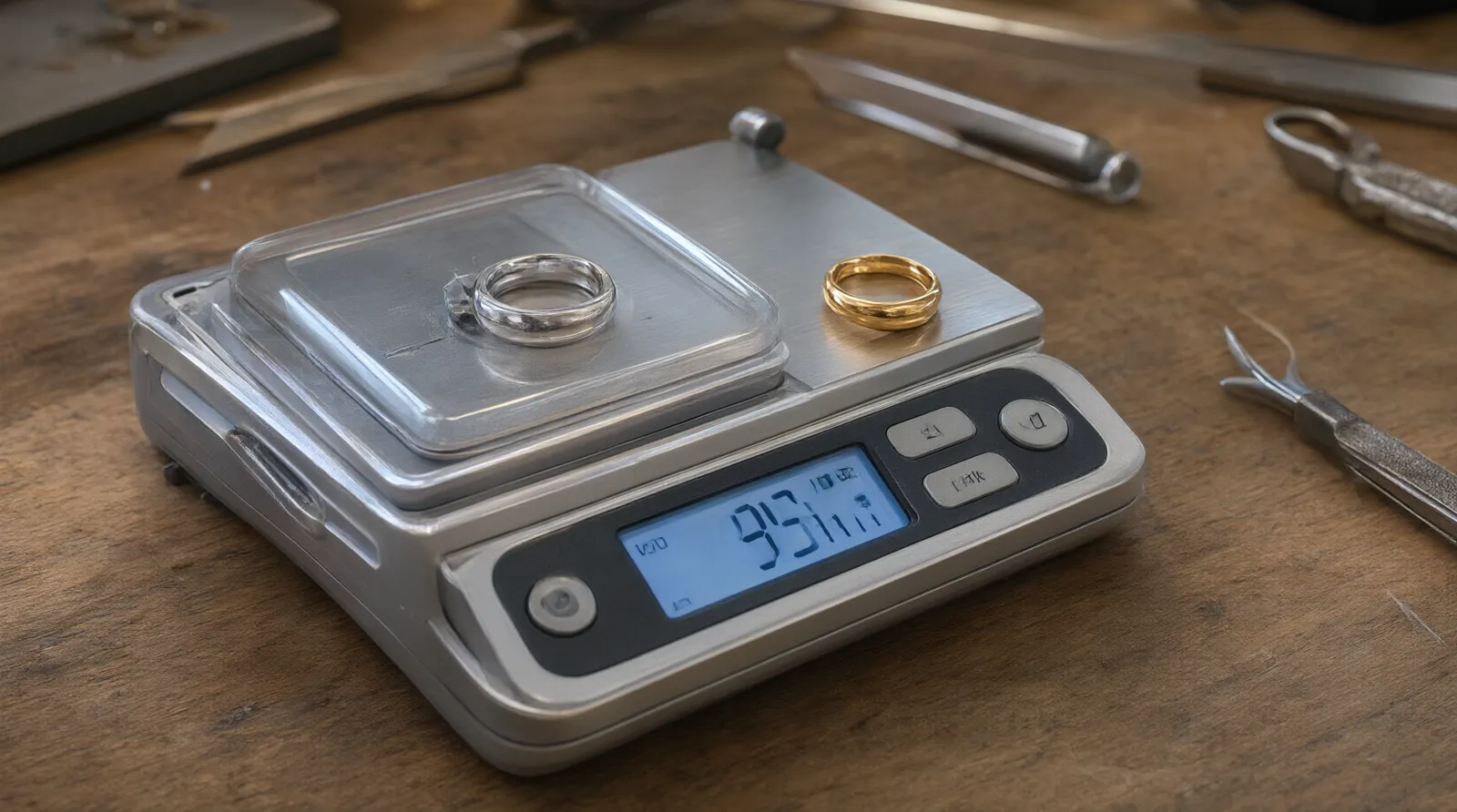
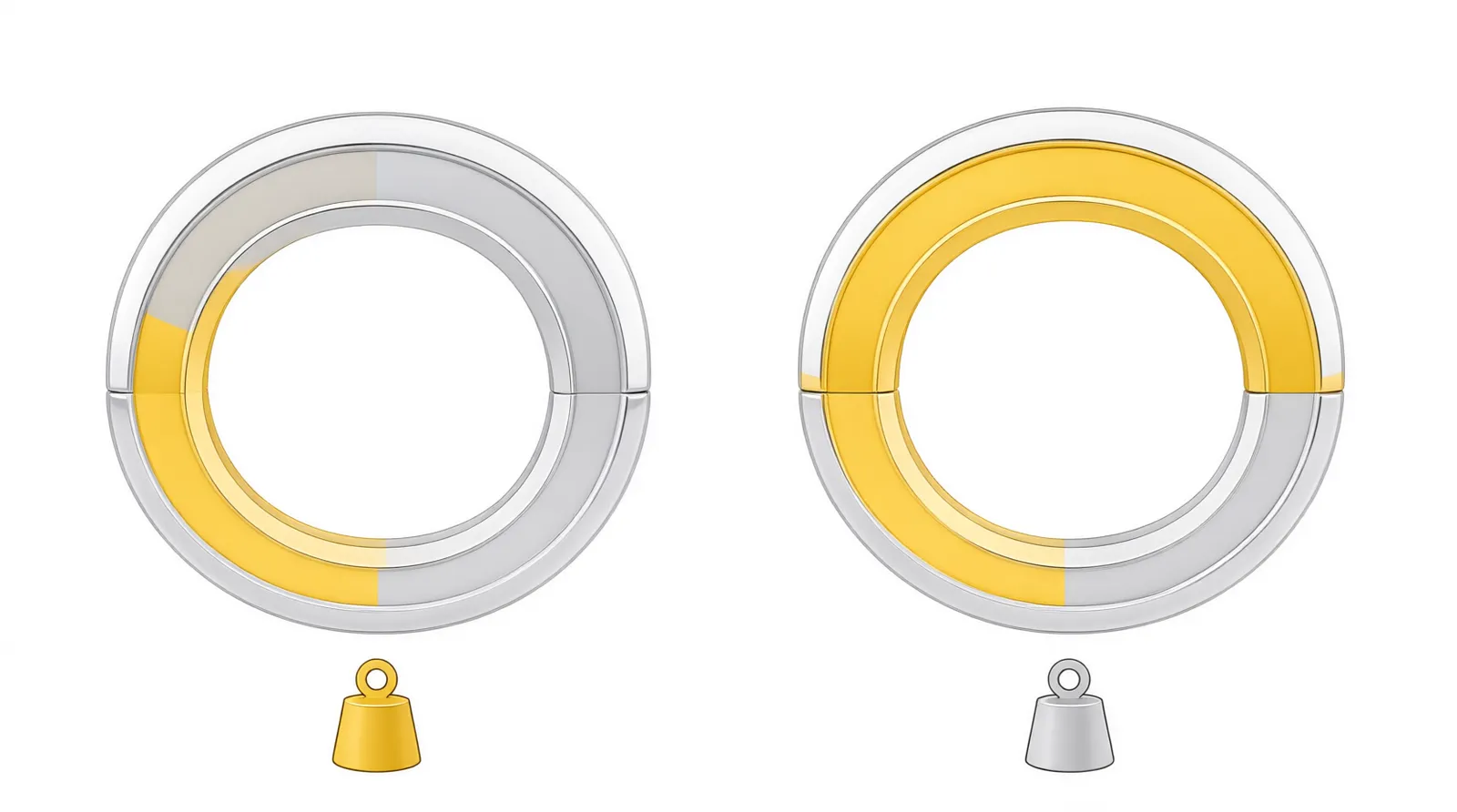
Platinum is one of the heaviest precious metals. Jewelry containing 90% pure platinum weighs 60% more than a similar piece made of 14-karat gold (Thomas Michaels). This physical reality dictates your shipping costs, material pricing, and retail margins. A reliable sourcing partner calculates landed costs based on actual gram weight, not just unit counts. Expect raw material costs to reflect a price point 3-4 times higher than gold (Apples of Gold).
Manufacturing Lead Times and Refining Capacity
The platinum ore refining process can take up to six months before the raw material even reaches a casting floor (Thomas Michaels). Factories with poor supply chain management will face stockouts. "Good" looks like a manufacturer who maintains a buffer inventory of refined 950 platinum grain, allowing them to meet your production timelines without blaming global refining delays. Your sourcing partner must audit this inventory during factory visits.
Hypoallergenic Integrity and Alloy Composition
Platinum is known as a hypoallergenic precious metal, making it suitable for buyers with sensitivities to nickel often found in white gold or sterling silver (Apples of Gold). However, if a factory cuts costs by mixing in cheap alloys, you lose this selling point. Demand full metallurgical breakdowns of the 5% non-platinum content (usually ruthenium or iridium) to guarantee skin safety for your end consumers.
Maintenance Requirements vs. White Gold
Unlike white gold, which requires rhodium plating to retain its white look, platinum requires no rhodium plating or additional maintenance beyond proper care (Apples of Gold). When pitching this to your retail audience, emphasize this lifecycle cost savings. For you as a buyer, it means fewer warranty claims regarding discoloration or flaking plating.
Minimum Order Quantities (MOQ) and Pricing Models
High-value metals usually trigger high MOQs from Chinese factories to justify the setup of specialized casting equipment. A managed export operator like Link4a intervenes here, negotiating MOQs down to levels viable for DTC brands rather than enterprise wholesalers. "Good" looks like tiered pricing where your per-unit cost decreases predictably as your order volume scales, negotiated transparently rather than hidden behind inflated initial quotes.
Multilingual Communication and Market Localization
If you sell across multiple regions—perhaps targeting Middle Eastern markets alongside US buyers—your product descriptions and SEO need localization, not just translation. Link4a manages overseas storefronts in six languages, including right-to-left Arabic layouts, with per-language keyword research. When a buyer inquires about affordable luxury alternatives to Kendra Scott or Scott Kay designs, the response must be drafted from the factory's actual in-stock catalogue, ensuring accurate availability data rather than generic sales copy.
Supplier Reliability and Verification
A November 2021 Twitter poll by Apples of Gold Jewelry revealed that 45% of respondents selected platinum as their favorite precious metal, beating yellow gold (30%) and white gold (20%) (Apples of Gold). Consumer demand is proven; execution relies entirely on your supplier. Verify ranking and traction through hard data. A managed export partner should be able to demonstrate verifiable organic search performance for client storefronts, publishing the specific queries and rankings achieved so you can evaluate their ability to drive traffic to your products. Require this level of verifiable proof from any partner claiming they can move your inventory.
Budget Tiers
Pricing for platinum jewelry procurement varies heavily based on design complexity, gemstone integration, and order volume. Use this framework to align your purchasing power with realistic market tiers. Some direct-to-consumer models offer precious metals at an average of 30%-40% below traditional retail pricing, a margin structure achievable through rigorous sourcing partnerships (Apples of Gold).
| Tier | Typical Price Range (Per Unit Wholesale) | What You Get | Target Buyer Profile |
|---|---|---|---|
| Entry | $[Low-end Placeholder] – $[Mid-low Placeholder] | Simple bands, minimal casting, higher MOQ requirements, basic hallmarking. No stones. | Creators launching a first fine-jewelry capsule; testers validating market demand. |
| Mid-Market | $[Mid Placeholder] – $[High-mid Placeholder] | Custom designs, diamond melee settings, negotiated lower MOQs via sourcing partners, verified 950 purity assays. | Established DTC stores expanding from silver/gold into luxury bridal or anniversary lines. |
| Enterprise | $[High Placeholder]+ | Intricate custom casting, large-carat center stone integration, priority production scheduling, dedicated account management, multi-region compliance documentation. | High-volume importers supplying brick-and-mortar chains or major luxury e-commerce platforms. |
Note: Request current spot pricing and MOQ terms directly from your sourcing partner, as raw platinum values fluctuate daily.
Red Flags to Avoid
Walk away from a supplier or sourcing arrangement if you encounter any of the following:
- Missing or vague hallmarks: If pieces are not stamped 900 Pt, 950 Plat, or Plat, you are likely buying white gold or a base metal disguised as platinum.
- Refusal to provide assay reports: Any factory unable or unwilling to produce third-party metallurgical testing for their alloy composition is hiding impurities.
- "Platinum-plated" guarantees: Platinum's value lies in its solid density. Plating defeats the purpose of the hypoallergenic and durability benefits.
- Unrealistic lead times: Given that refining takes up to six months, a factory promising bulk delivery in two weeks without explaining their existing raw material reserves is lying.
- No physical weight verification: Because 90% pure platinum weighs 60% more than 14k gold, lightweight "platinum" pieces are immediate indicators of fraud.
- Upfront fees for factory introductions: Reliable sourcing partners operate on commission-only models for closed orders, aligning their financial incentives with your successful procurement.
- Generic translated responses: If a supplier replies to your specific custom design request with a generic English template that ignores your technical specs, their production floor will likely ignore them too.
Buying Process Checklist
Follow this sequence to move from initial research to secured inventory without overpaying or accepting substandard metal.
- Define Technical Requirements: Specify your required purity (e.g., 950 grade), total gram weight per SKU, target retail price points, and whether you need hypoallergenic certification for specific markets.
- Shortlist Sourcing Partners, Not Just Factories: Instead of scrolling through marketplace listings, engage a managed export operator like Link4a that already has vetted Chinese factories capable of casting dense precious metals.
- Request Assay & Compliance Documentation: Before discussing prices, require proof of alloy composition and hallmarking standards.
- Negotiate MOQ and Landed Cost: Factor in the 60% weight differential against gold when calculating shipping. Push for tiered pricing based on projected annual volume.
- Coordinate Physical Samples: Never approve a production run based on CAD files alone. Platinum behaves differently during polishing and setting than softer metals. Test the sample for weight, color retention, and stone security.
- Verify Factory Capabilities On-Site (or via Proxy): Ensure your sourcing partner physically audits the casting equipment. Platinum requires higher melting temperatures than gold; not all standard jewelry factories have the furnaces to handle it properly.
- Finalize Contract and Payment Terms: Lock in the price against current raw material markets. Structure payments around sample approval and pre-shipment quality checks.
- Establish Repeat Order Protocols: Set up automated reordering triggers based on your sales velocity, utilizing your partner's multilingual communication channels to prevent delays.
Questions to Ask Vendors
Use these specific questions during your evaluation calls or emails to separate serious manufacturers from brokers flipping low-quality goods.
- What exact alloy do you use for your 950 platinum, and what constitutes the remaining 5%?
- Can you provide a recent third-party assay certificate for your current batch of casting grain?
- How do you adjust your pricing model when global raw platinum spot prices fluctuate between our order placements?
- What is your minimum order quantity for custom designs versus your existing catalogue pieces?
- Since platinum requires higher heat to cast, what specific furnace equipment does your factory use, and how often is it serviced?
- How do you guarantee the 60% weight differential against 14k gold is maintained consistently across a 500-unit production run?
- Do you stamp all pieces with 900 Pt, 950 Plat, or Plat prior to shipping, and where is the stamp located on intricate designs?
- If I am selling to markets requiring specific hypoallergenic compliance, what documentation can you provide to support my marketing claims?
- How do you handle quality control failures, such as porosity in the casting, which is common if platinum is cooled incorrectly?
- Are your responses to my technical inquiries generated from your actual in-stock catalogue and production capacity, or are they estimates?
- If we use a managed export service like Link4a, how do you coordinate sample dispatches and multilingual spec sheets with their team?
- What is your standard lead time from deposit to shipment, factoring in your current reserves of refined platinum?
Recommended Next Steps
Securing high-purity platinum jewelry for your brand requires moving past unverified directories and partnering with operators who understand both the metallurgy and the cross-border logistics. Stop guessing on alloy purity and start demanding verifiable data.
If you are an overseas buyer looking to integrate 950-grade platinum into your product line, or a Chinese factory owner wanting your catalogue sold internationally without hiring an export sales team, initiate the procurement process today. Reach out to Link4a to get current MOQ parameters, request physical samples, and secure pricing based on actual factory capacity.