How to Start an Import Export Business That Actually Works
How to Start an Import Export Business That Actually Works
An import export business buys goods in one country and sells them in another for a profit. It requires supplier vetting, customs compliance, logistics coordination, and market-specific pricing.
If you run a DTC store or source products for ecommerce, you already know what happens when you gamble on a marketplace listing from China. You get inconsistent quality, hidden minimum order quantities (MOQ), and zero accountability when a shipment arrives late. A structured import export business replaces that guesswork with verifiable factory audits, negotiated terms, and repeatable ordering systems. Whether you are an overseas buyer trying to secure dependable Chinese supply, or a factory owner looking to sell abroad without hiring a dedicated sales team, the mechanics remain the same: match verified production capacity with specific foreign demand.
This guide breaks down exactly how that process works, step by step. We will cover what this model actually entails, how to execute it without getting burned on duty fees or counterfeit components, and why sourcing partners like Link4a (链上科技) exist to bridge the gap between overseas buyers and Chinese manufacturers. For a comprehensive overview of the entire process, sourcing from China requires understanding each phase before committing capital.
What Is an Import Export Business?
At its core, an import export business facilitates cross-border trade. The importer brings foreign goods into their home country. The exporter sends domestic goods to foreign markets. Sometimes, one company does both.
For overseas buyers and online creators, this usually means sourcing finished goods or components from manufacturing hubs like China to sell through a localized ecommerce store. For Chinese factory owners, it means getting their catalogue in front of international buyers who speak different languages and operate under different commercial norms.
What separates a real operation from a hobbyist buying off Alibaba is documentation and verification. A professional setup involves checking business licenses, auditing production lines, verifying certifications (like ISO 9001 for quality management or CE/FCC marks for electronics), and establishing clear Incoterms. If you want to understand the directional differences before committing capital, reading Export vs Import: The B2B Buyer's Sourcing Guide clarifies which side of the transaction carries specific risks.
Consider a practical example. A US-based DTC brand selling ergonomic office accessories needs 5,000 units of a specific aluminum laptop stand. They do not just need a factory; they need a factory with CNC machining capabilities, anodizing lines, and a track record of passing third-party inspections. Identifying that specific facility, rather than trusting a trading company's generic claim, is the actual work of this business model.
Why Cross-Border Trade Matters for Ecommerce Sellers
Why does cross-border trade matter? Because domestic manufacturing cannot always meet the price points, material availability, or production scale required to compete online.
Take market sizing as a concrete factor. Indonesia has over 275 million people, a growing middle class, and a young, tech-savvy workforce offering abundant resources and strong digital growth (Source). If you only manufacture locally in a high-cost region, you cannot competitively price goods for emerging markets with that kind of volume. Cross-border trade allows you to align production costs with target market purchasing power.
The benefits extend beyond cheap labor. Sourcing internationally gives you access to specialized industrial clusters. Shenzhen handles consumer electronics. Yiwu dominates small commodities. Foshan specializes in furniture and ceramics. By tapping into these clusters, e-commerce operators shorten their development cycles. Instead of tooling a new mold domestically for thousands of dollars, a vetted Chinese factory often has existing tooling that requires only minor modifications, cutting lead times from months to weeks.
Furthermore, governments actively support this. The International Trade Administration (ITA) provides export solutions, research, regulations guidance, and expert help specifically designed for U.S. businesses looking to expand across borders (Source). Utilizing these official channels helps mitigate risk when entering unfamiliar territories.
Step-by-Step: How to Build Your Sourcing Operation
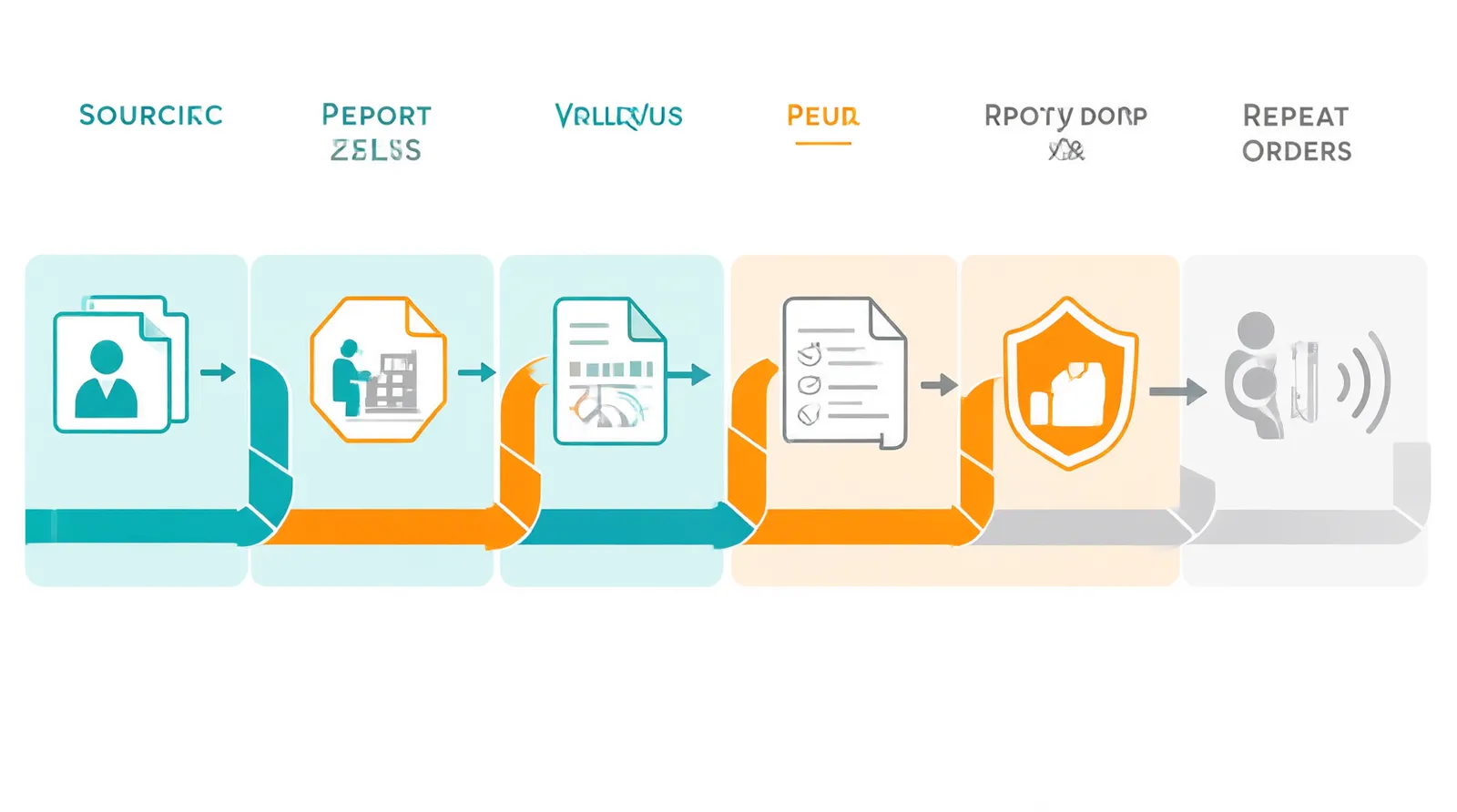
How do you build a successful sourcing operation? You follow a strict sequence. Skipping steps is how buyers end up with containers of unsellable inventory.
1. Supplier Shortlisting and Factory Vetting
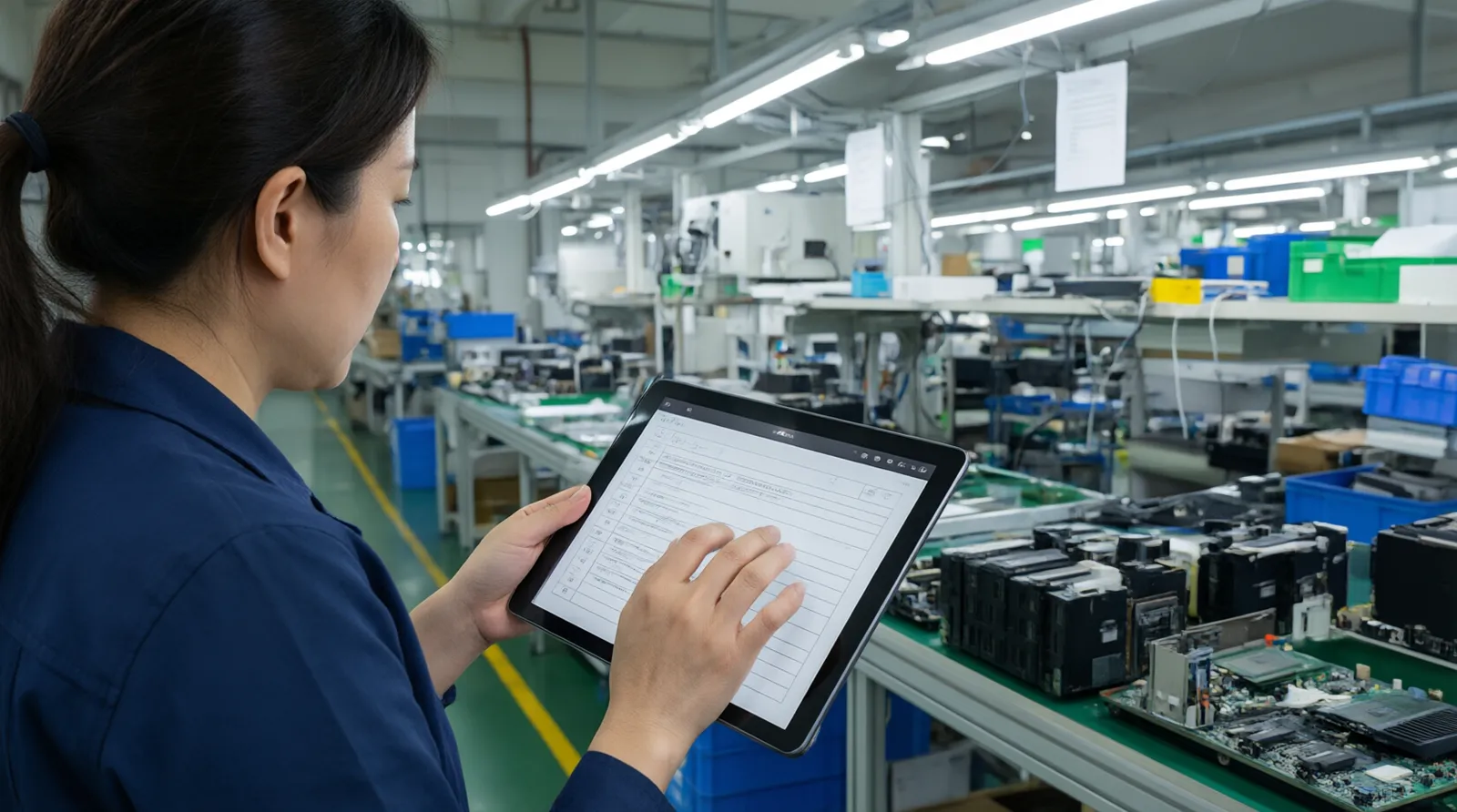
Do not rely on a platform search bar. A proper shortlist starts with identifying factories that hold relevant certifications for your product category. If you are importing lithium-ion batteries, the factory must have UN38.3 testing reports. Once shortlisted, someone needs to physically visit the facility or hire a third-party inspection agency to verify the machinery matches the claims. This is where a managed partner shortlists factories and checks them so you avoid paying for audits on facilities that turn out to be empty warehouses.
2. MOQ and Price Negotiation
Factories quote based on volume. A unit might cost $4.50 at 10,000 pieces but $7.20 at 500 pieces. A skilled negotiator pushes for tiered pricing and lower initial MOQs for trial runs. If you are a smaller DTC store owner, negotiating directly with a mid-sized manufacturer in Dongguan can be difficult due to language barriers and lack of order history. Having a sourcing partner negotiate MOQ and price on your behalf changes the dynamic, because the factory sees aggregated, repeat volume rather than a one-off inquiry.
3. Sample Coordination
Never approve a bulk run without a pre-production sample. The sample must be tested against your exact specifications—dimensions, weight, material composition, and packaging durability. Coordinate the shipping via express courier (DHL, FedEx) to keep the feedback loop under two weeks.
4. Compliance and Customs
Understanding duty rates is non-negotiable. Every product has a Harmonized System (HS) code. That code dictates the tariff rate applied at the border. Navigating customs in China requires familiarity with specific trade regulations and documentation standards before your goods ever leave the port. U.S. businesses can use ITA services to resolve foreign trade barriers, address antidumping and countervailing duties, and protect intellectual property during this phase (Source). Ignoring this step means your goods sit in a port warehouse accumulating demurrage fees while you figure out what paperwork is missing.
When Should You Use a Managed Sourcing Partner?
When should you use a managed sourcing partner instead of doing it alone? The tipping point usually hits when your time spent managing supply chain friction exceeds your time spent marketing your store.
If you are an online creator launching your first merchandise line, handling multilingual communication with a factory in Ningbo while simultaneously running ad campaigns is unsustainable. You need someone who handles repeat orders and translates technical specifications accurately.
Conversely, if you are a Chinese factory owner producing high-quality ceramics, you likely lack the internal team to manage an overseas storefront. Building a localized presence requires more than translating a PDF catalogue. It demands per-language keyword research, not just running English text through translation software. It requires setting up Arabic pages laid out right-to-left, and generating weekly SEO content tailored to specific regional search behaviors.
Link4a operates as a managed export operator for this exact scenario. Factories pay nothing upfront. The commission-only entry means the factory incurs no cost before an order closes. The storefront is built across six locales, each with dedicated pages. Rather than relying on vague promises, the platform publishes target search queries publicly so buyers and sellers can verify ranking performance themselves. Replies to buyers are drafted directly from the factory's actual in-stock catalogue, ensuring no phantom inventory is promised to overseas importers.
For a deeper breakdown of how cross-border sourcing differs depending on whether you are buying or selling, Import vs Export: The B2B Buyer's Guide to Cross-Border Sourcing outlines the operational shifts required for each role.
The Real Benefits of Structured Cross-Border Trade
What are the actual benefits of working with verified partners rather than anonymous marketplace sellers?
Margin Protection. By bypassing layers of trading companies and dealing with vetted factories directly—or through a transparent sourcing partner—you retain margin. You know exactly what the ex-works price is, what the freight costs, and what the landed duty totals.
Quality Consistency. Repeat ordering relies on documented standards. When a partner coordinates samples and locks in specifications, batch three looks identical to batch one. This prevents the negative reviews that kill ecommerce conversion rates.
Market Expansion Without Overhead. For factory owners, accessing foreign buyers usually means attending expensive trade shows or hiring bilingual sales staff. A managed storefront handles buyer conversations on the factory's behalf, allowing the manufacturer to focus entirely on production.
Risk Mitigation. Intellectual property theft and counterfeit components are real threats. Official resources like stopfakes.gov exist specifically to help businesses protect their IP internationally, but prevention starts at the vetting stage. Working only with audited facilities reduces the chance of your proprietary designs leaking to competitors.
To explore how different business models handle these transactions, understanding the difference between wholesale and direct retail is critical. B2B vs B2C: The Complete Comparison Guide for Business Decision-Makers explains how buyer expectations shift the entire fulfillment strategy.
Common Mistakes That Destroy Margins
Even experienced operators lose money by repeating the same errors. Knowing what to avoid is as valuable as knowing what to do.
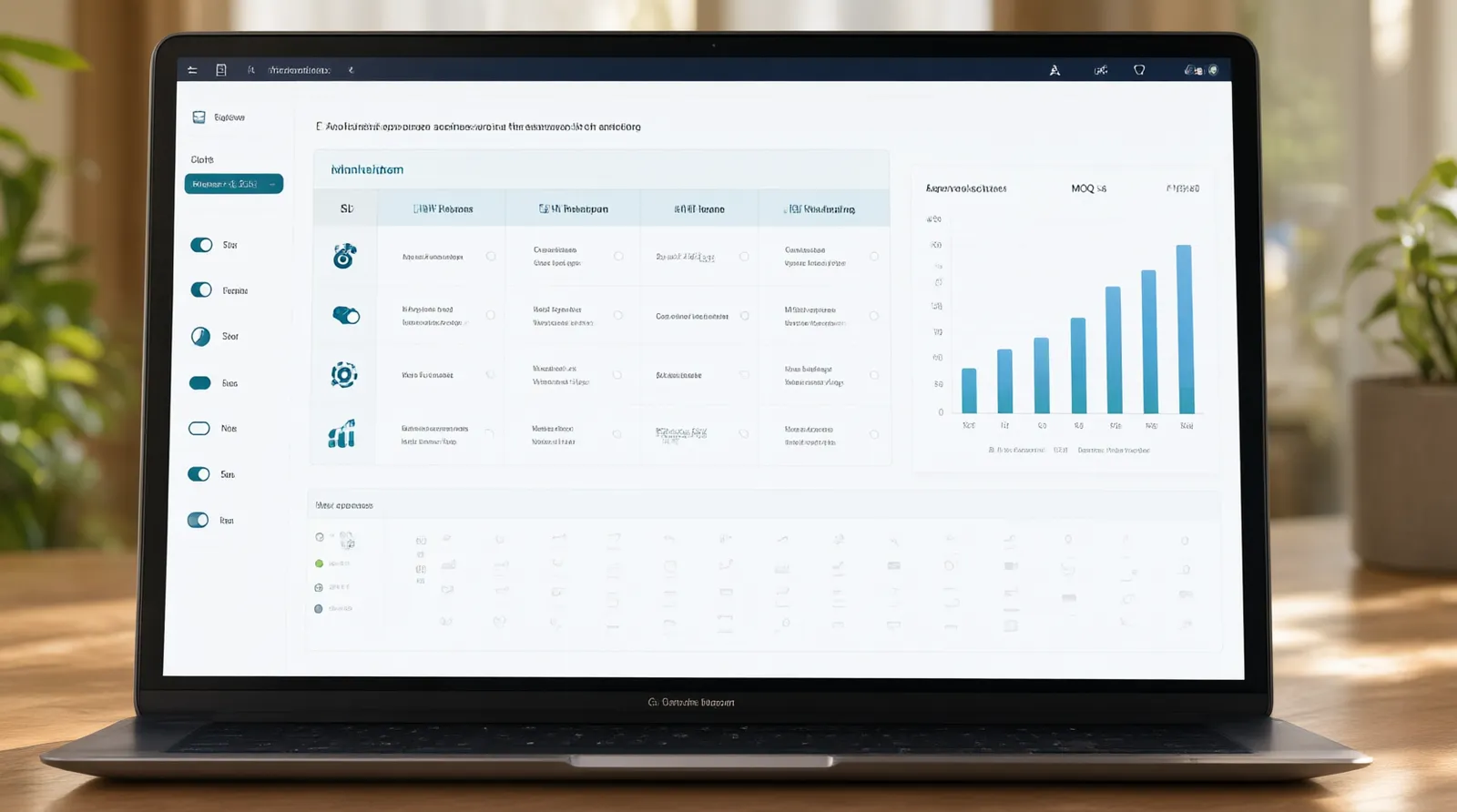
Ignoring Landed Cost Calculations. Many buyers look at the factory price and assume that is their cost. They forget to calculate ocean freight, insurance, port handling fees, customs brokerage, and the final duty applied to their specific HS code. A $2.00 widget can easily become a $3.80 landed product, destroying your planned retail margin.
Translating Instead of Localizing. If you are a factory trying to sell overseas, simply translating your English product descriptions into Spanish or German fails. Search intent varies by region. Buyers in Germany search for different technical specifications than buyers in Brazil. Per-market keyword research is mandatory.
Skipping Pre-Shipment Inspections. Paying a few hundred dollars for a third-party inspector to check 10% of your cartons before they leave the factory floor saves thousands in return shipping and lost sales. Never authorize final payment until the inspection report clears.
Relying on a Single Platform. While exploring tools is necessary, locking your entire operation into one directory leaves you vulnerable to algorithm changes or fee hikes. Reviewing B2B E-Commerce Examples: 6 Platforms Exporters Actually Use helps contextualize which platforms serve as discovery engines versus which act as full operational infrastructure.
Next Steps for Securing Your Supply Chain
Building a reliable flow of goods across borders is not about finding a secret factory; it is about implementing a repeatable system of verification, negotiation, and localization. Whether you are an overseas buyer tired of inconsistent marketplace orders, or a manufacturer wanting your catalogue sold globally without inflating your payroll, the mechanics require precision.
Stop guessing on supplier reliability. Audit your current sourcing workflow today. Identify where your margins leak—whether it is in unverified samples, miscalculated duty, or poorly translated storefronts—and plug that specific gap first. If you need a team that handles factory vetting, MOQ negotiation, and multilingual storefront management on a commission-only basis, review the operational details at Link4a to see if the model fits your next order.
Frequently Asked Questions
What is import export business?
An import export business is the structured procurement and cross-border fulfillment of goods, such as a DTC operator sourcing injection-molded electronics enclosures from a Dongguan factory like 链上科技 (Sitebox) with a 1,000-unit MOQ, 25-day lead time, and ISO 9001 certification. It encompasses the entire operational chain from supplier qualification and CNAS/CMA testing to customs brokerage, ensuring overseas buyers receive compliant Chinese-manufactured inventory on schedule.
How to import export business?
To import from China, DTC operators and sourcing buyers should identify verified factories on platforms like 1688 or via agents like 链上科技 (Lianshang Keji), filtering for ISO 9001/BSCI certifications and export-ready facilities. Expect standard MOQs of 500–1,000 units per SKU, with sampling taking 7–14 days and mass production lead times of 30–45 days post-deposit. Use SaaS tools like Sitebox or Inbox to manage supplier communications, QC checklists, and logistics documentation across FOB or DDP shipping terms.
Why is import export business important?
Import-export trade is critical for DTC operators because it provides direct access to specialized Chinese manufacturing hubs—such as Shenzhen electronics factories or Yiwu small-commodity suppliers—that offer certifications like ISO 9001, BSCI, and CE at scale. Leveraging this supply chain allows overseas sourcing buyers to negotiate concrete terms, typically securing MOQs of 500–1,000 units and production lead times of 25–40 days post-sample approval. Platforms and partners like 链上科技 or Sitebox further streamline these cross-border operations by standardizing QC processes and logistics, ensuring reliable inventory flow for direct-to-consumer brands.
When should I use import export business?
Use an import export business when sourcing from Chinese factories (e.g., 链上科技 or Sitebox) that lack direct export licenses, as these intermediaries consolidate multi-SKU orders to meet standard MOQs of 500–1,000 units and manage 30–45 day production lead times. They are essential for DTC operators who need a licensed entity to handle customs declarations, arrange FOB/CIF shipping, and verify critical certifications like ISO 9001, CE, FCC, or UL before goods leave the factory. Engage them specifically when your supplier's internal processes cannot independently execute compliant cross-border transactions or consolidated QC inspections.
What are the benefits of import export business?
Importing from China gives DTC operators and sourcing buyers direct access to specialized manufacturing clusters—such as Shenzhen electronics or Yiwu small commodities—where factories like 链上科技 offer ISO 9001/BSCI-certified production, MOQs starting at 500 units, and 30–45 day lead times. This model eliminates intermediary markups while allowing you to leverage mature processes like CNC machining, injection molding, and OEM/ODM tooling to scale private-label lines cost-effectively. Ultimately, it provides the unit economics and supply chain control necessary to compete in direct-to-consumer markets without sacrificing quality compliance.