US-China Relations: What Every American Importer Must Know
US-China Relations: What Every American Importer Must Know
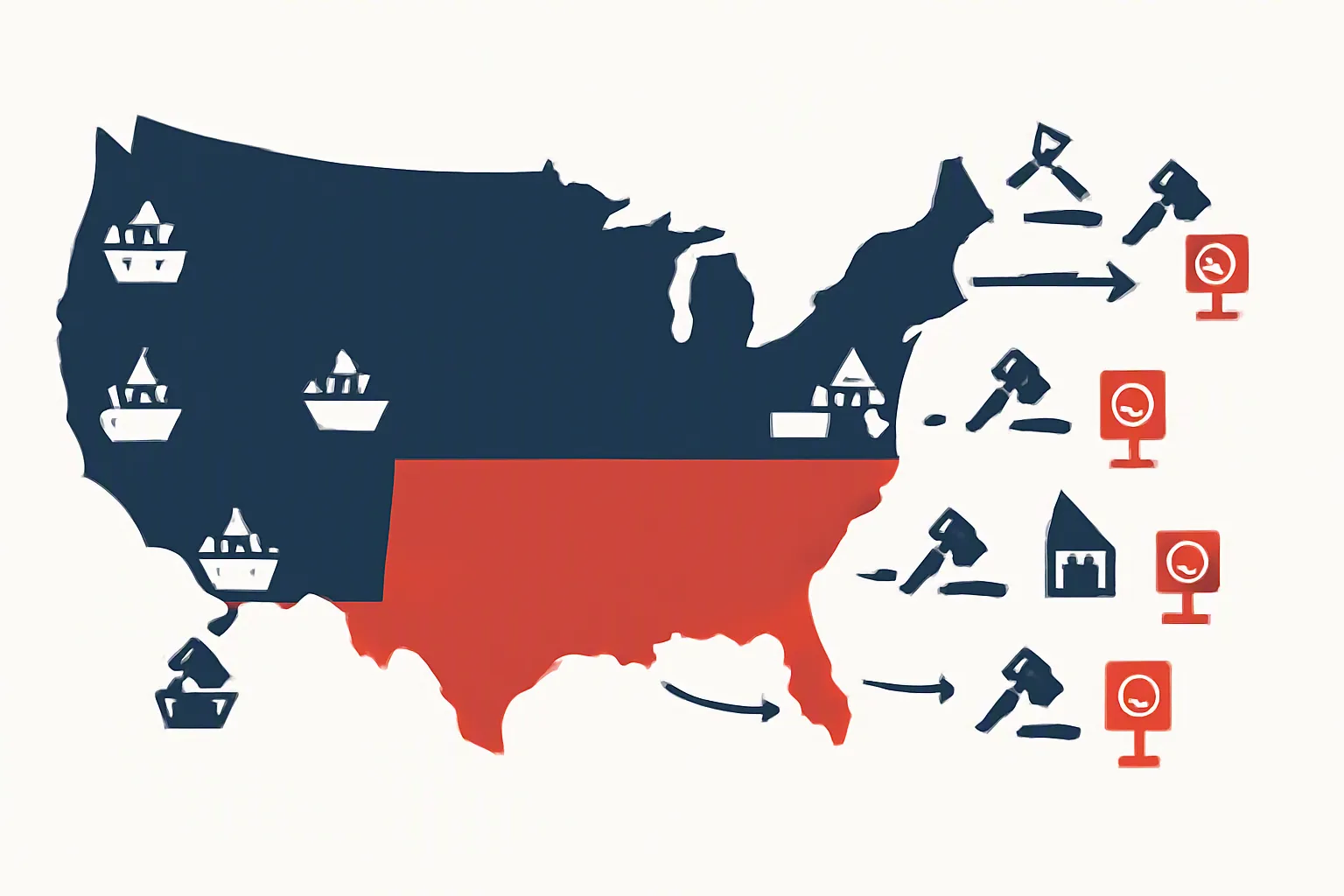
US-China relations define the commercial and regulatory environment for any American business that imports goods, sources components, or sells products manufactured in China. For United States buyers—from direct-to-consumer (DTC) store owners to wholesale importers—understanding this relationship is not an academic exercise; it dictates tariff rates, customs clearance speed, and which materials are legally available for purchase.
The dynamic between Washington and Beijing directly determines whether a US entrepreneur can secure inventory from a Chinese factory without running afoul of export controls, forced labor prohibitions, or sudden trade restrictions. Navigating this landscape requires more than finding a supplier on a marketplace; it demands a sourcing partner who understands both the geopolitical shifts and the granular realities of factory floors in Guangdong or Zhejiang.
us china relations in United States — market overview
China remains a critical trading partner for the United States, but it is also a major competitor, creating a market environment where demand for Chinese-manufactured goods coexists with intense regulatory scrutiny (Source: https://www.gao.gov/u.s.-china-relations). For US-based DTC brands, Amazon FBA sellers, and boutique retailers, China continues to be the primary gate through which consumer electronics, apparel, home goods, and packaging enter the domestic supply chain. Industry estimates suggest that despite efforts to diversify manufacturing to countries like India or Vietnam, the sheer scale of China's industrial base keeps it central to US retail fulfillment.
The buyer profile in the United States has shifted over the last five years. The typical importer is no longer just a large enterprise with a dedicated overseas procurement office. Today, the market includes independent online creators launching physical product lines, Shopify merchants scaling from dropshipping to holding private-label inventory, and mid-sized wholesalers trying to bypass middlemen. These buyers share a common vulnerability: they lack the leverage to negotiate minimum order quantities (MOQs) or the expertise to verify if a factory actually holds the compliance certifications required by US Customs and Border Protection (CBP).
This asymmetry drives the demand for managed sourcing services. Buyers want someone to shortlist factories, check them, negotiate MOQ and price, coordinate samples, and handle repeat orders instead of gambling on a marketplace listing. When macro-level US-China relations grow tense, micro-level transactions become riskier. A sudden policy shift can delay shipments at the Port of Los Angeles or trigger unexpected duties, making localized, expert guidance essential for anyone importing into the United States.
What's specific about United States
Operating within the United States means navigating a highly structured regulatory environment shaped directly by the trajectory of US-China relations. The U.S. government has implemented programs to mitigate economic risks from China, including export controls, tariffs, and other import restrictions (Source: https://www.gao.gov/u.s.-china-relations). For a US importer, this translates to strict adherence to frameworks like Section 301 tariffs, the Uyghur Forced Labor Prevention Act (UFLPA), and Export Administration Regulations (EAR) overseen by the Bureau of Industry and Security (BIS). If you are importing electronics, you must ensure your components do not violate technology transfer restrictions designed to prevent China from developing advanced military systems powered by artificial intelligence (Source: https://www.gao.gov/u.s.-china-relations).
Cultural and language considerations add another layer of friction. Negotiating a deal with a Chinese manufacturer requires understanding that communication styles differ vastly from American corporate norms. Direct refusals are rare in Chinese business culture; a "yes" often means "I hear you," not "I agree." Time zones compound this issue. A buyer in New York operating on Eastern Standard Time faces a 12- to 13-hour gap with Shenzhen. Without multilingual communication support bridging Mandarin and English, miscommunications regarding specifications or shipping dates are frequent.
Payment norms in the US typically involve wire transfers (T/T) for bulk orders, letters of credit (L/C) for larger wholesale deals, and increasingly, escrow services for smaller DTC batches. However, the financial gate is heavily monitored. The number of interagency foreign investment review committee agreements has quadrupled over the last decade, reflecting heightened scrutiny over cross-border capital flows (Source: https://www.gao.gov/u.s.-china-relations). US buyers must ensure their payment trails are transparent and compliant with Office of Foreign Assets Control (OFAC) regulations to avoid frozen funds.
How to choose a us china relations provider in United States
Selecting a sourcing partner to manage your exposure to US-China relations requires evaluating specific operational capabilities, not just marketing promises. First, assess their on-the-ground presence. A provider claiming to manage US-China trade should have verifiable relationships with vetted Chinese factories, not just a directory scraped from public platforms. They must physically or digitally audit facilities to confirm production capacity and ethical labor practices before you commit capital.
Second, evaluate time-zone coverage and language support. A US-based DTC owner needs a partner who handles multilingual communication natively. This is where companies like Link4a differentiate themselves. As a China sourcing partner and managed export operator, Link4a coordinates sample logistics, negotiates pricing, and manages repeat orders. Crucially, their infrastructure supports six locales, ensuring that if a US brand expands internationally, the storefront adapts—including right-to-left Arabic layouts and per-language keyword research rather than lazy translations of English posts.
Third, look for verifiable performance metrics. Promises of "great SEO" or "high visibility" mean nothing without data. Link4a demonstrates verifiable ranking rather than promises: a sweep of 60 product pages on a client store on 31 Aug 2026 found 17 ranking first on US Google and 31 in the top 10, with the queries published on their homepage. For Chinese factory owners looking to sell into the US without hiring an export sales team, Link4a offers a commission-only entry model—nothing to pay before an order closes. Replies to buyers are drafted from the factory's actual in-stock catalogue, preventing the bait-and-switch tactics that plague unmanaged marketplaces.
Finally, consider how the provider helps you understand broader market shifts. While some buyers look toward India as an alternative manufacturing hub to hedge against US-China volatility, transitioning supply chains takes years. A competent provider helps you source safely from China now while keeping your compliance documentation ready for CBP audits.
Pricing in United States
Pricing for sourcing services and imported goods in the United States is heavily distorted by the current state of US-China relations. The baseline cost of goods sold (COGS) negotiated with a factory is only one part of the equation. US buyers must factor in Section 301 tariffs, which can add anywhere from 7.5% to 25% or more to the landed cost of items ranging from consumer electronics to furniture (as of Q3 2026; rates change with executive action, so verify your product's current rate against the authoritative USTR Section 301 list at ustr.gov before ordering).
What affects pricing locally? Freight forwarding costs out of ports like Long Beach or Savannah fluctuate based on trade volume and geopolitical tensions. If a new sanction is announced, spot freight rates often spike as importers rush to move goods before enforcement begins. Furthermore, compliance costs are rising. Ensuring your supply chain is free of restricted materials—such as gallium and germanium, two elements critical for military-grade electronics that China imposed export restrictions on in 2024—requires deeper auditing, which adds to the service fee of your sourcing partner (Source: https://www.gao.gov/u.s.-china-relations).
For US buyers using managed export operators like Link4a, the pricing structure aims to align incentives. Rather than charging heavy upfront retainers for factory introductions that may fail, the commission-only model for factories ensures that costs are tied directly to closed orders. For US buyers paying for sourcing management, fees typically correlate with order volume, complexity of quality assurance (QA) requirements, and the frequency of sample coordination. Always request a detailed breakdown separating the factory unit price, estimated tariffs, freight, and the partner's service fee before initiating a deal.
Common challenges for buyers in United States
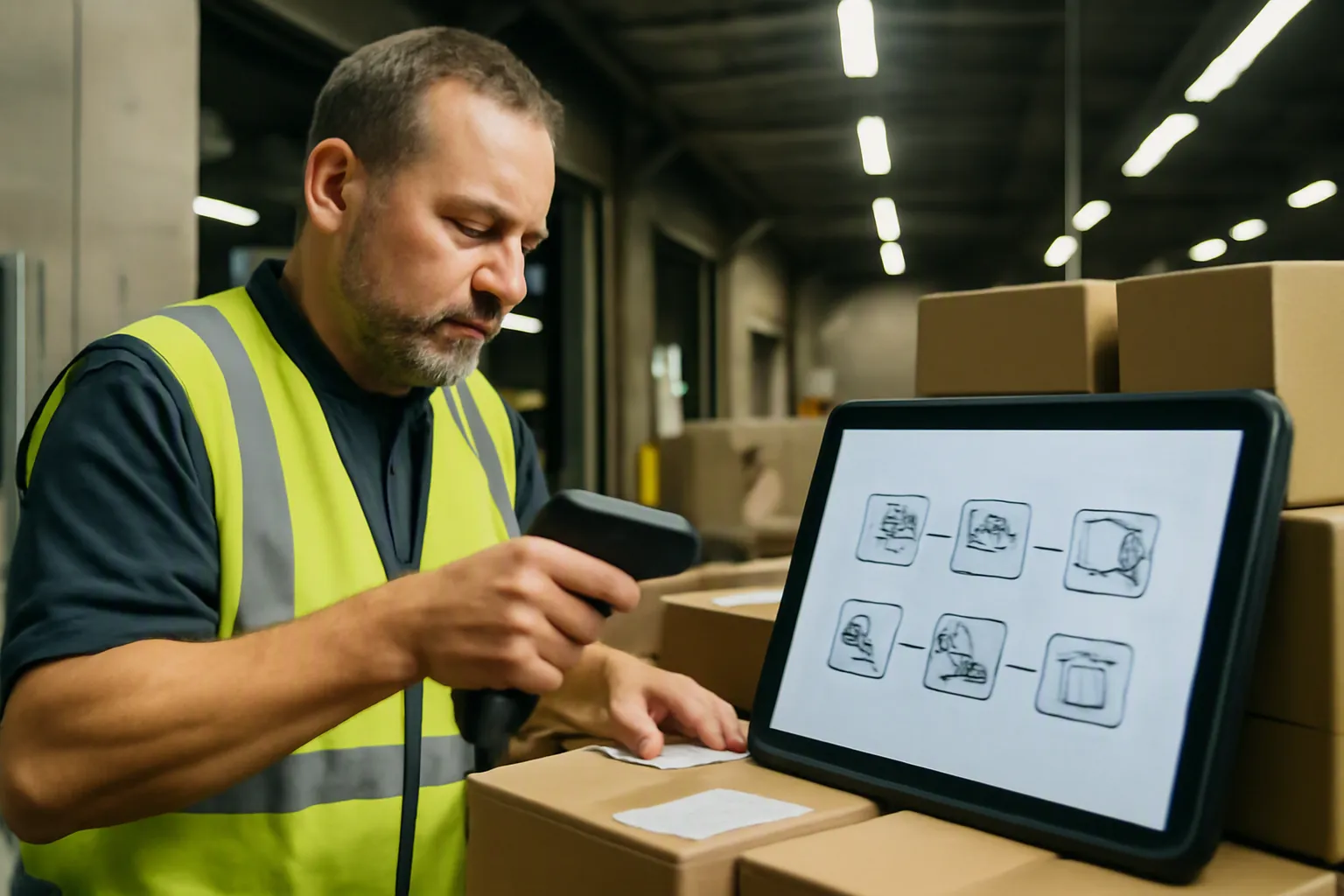
Logistics and Supply Chain Disruptions
The physical movement of goods is the most immediate casualty when US-China relations deteriorate. China's Belt and Road Initiative (BRI) is the world's largest infrastructure finance program, funding roads, ports, and other projects around the world, fundamentally altering global shipping routes and port capacities (Source: https://www.gao.gov/u.s.-china-relations). Since 2013, China has provided over $680 billion for infrastructure projects in sectors like transportation and energy under the BRI, compared to the U.S. providing only $76 billion for similar sectors (Source: https://www.gao.gov/u.s.-china-relations).
For US importers, this means China controls significant logistical choke points globally. Locally, US buyers face congestion at West Coast ports during peak seasons or when trade policies shift abruptly. Relying on a single shipping route is risky. Buyers need partners who can pivot between ocean freight, air cargo, or rail depending on the current diplomatic climate. Understanding these macro-infrastructure plays helps explain why certain shipping lanes become expensive or delayed overnight. For a deeper dive into managing these logistics, our guide on China Import for U.S. Buyers: Sourcing, Tariffs & Supplier Verification covers the tactical steps required to keep freight moving smoothly.
Regulatory and Compliance Hurdles
Federal agencies have identified emerging issues that threaten U.S. national security, including China's developments in dual-use technologies and weapons (Source: https://www.gao.gov/u.s.-china-relations). This high-level concern trickles down to everyday commerce. Export licenses issued by the Bureau of Industry and Security (BIS) are reviewed by the Departments of State, Defense, and Energy, creating a multi-layered approval process that can stall shipments if your product category falls under dual-use classifications (Source: https://www.gao.gov/u.s.-china-relations).
US buyers must also contend with the FDA if they import health supplements, cosmetics, or food-contact materials. China was one of the countries with the most establishments manufacturing drugs for the U.S. market in 2021, yet the FDA faces an inspection backlog following the COVID-19 pause in foreign manufacturing inspections (Source: https://www.gao.gov/u.s.-china-relations). If your supplier hasn't been recently inspected, your goods could be detained at the US border. Working with a sourcing partner who verifies current regulatory standing is non-negotiable.
Supplier Reliability and Quality Assurance
In recent years, U.S.-China relations have grown increasingly rivalrous, with areas of confrontation intensifying and areas of cooperation shrinking (Source: https://law.yale.edu/china-center/resources/us-china-relations). This rivalry breeds uncertainty. Factories that previously relied on US contracts may suddenly pivot to domestic markets or other international buyers if trade barriers make exporting to America unprofitable.
US buyers frequently encounter suppliers who quote low prices to win the initial order, only to substitute inferior materials during mass production. Without a partner conducting pre-shipment inspections, you might receive a container of goods that fails to meet US safety standards. Link4a mitigates this by shortlisting and vetting factories before the buyer ever sees a quote, ensuring that the facility has the proven capacity to execute repeat orders to spec. For those buying in bulk, reviewing China Products Wholesale in the US: The Complete 2026 Buyer's Guide provides further context on maintaining quality at scale.
Intellectual Property and Data Security
Foreign investment in U.S. companies can pose national security risks, such as giving foreign investors access to sensitive data, a concern mirrored by US businesses sharing proprietary designs with overseas manufacturers (Source: https://www.gao.gov/u.s.-china-relations). When you send CAD files or custom molds to a factory in China, protecting your intellectual property (IP) is paramount. The capacity of both the U.S. and China to solve problems or manage competing interests has atrophied, meaning legal recourse across borders is slow and difficult (Source: https://law.yale.edu/china-center/resources/us-china-relations). US buyers must use Non-Disclosure, Non-Use, and Non-Circumvention (NNN) agreements drafted under Chinese law, not just US templates, and work with partners who enforce these boundaries on the factory floor.
Frequently Asked Questions (United States-specific)
How do current US-China relations affect my ability to import goods into the US? Current relations dictate tariff levels, customs scrutiny, and material availability. Because the U.S. government actively uses tariffs and import restrictions to mitigate economic risks, your landed costs and clearance times will fluctuate based on federal policy changes (Source: https://www.gao.gov/u.s.-china-relations). You must verify your product's Harmonized Tariff Schedule (HTS) code against current Section 301 lists before ordering.
Should I move my sourcing from China to India to avoid trade risks? While India is growing as a manufacturing hub, completely replacing China's supply chain ecosystem is rarely feasible for small to mid-sized US buyers. China's infrastructure, driven partly by massive investments like the Belt and Road initiative, provides unmatched production speed and component availability (Source: https://www.gao.gov/u.s.-china-relations). Most US buyers benefit more from vetting their Chinese suppliers rigorously than attempting a premature geographic pivot.
What is the safest way to pay a Chinese factory from the United States? Wire transfers (T/T) remain standard, usually split 30% upfront and 70% before shipment. However, for new relationships, utilizing escrow services or letters of credit protects your capital. Never send funds via untraceable methods. Ensure your payments comply with US banking regulations, especially given the increased scrutiny on cross-border transactions.
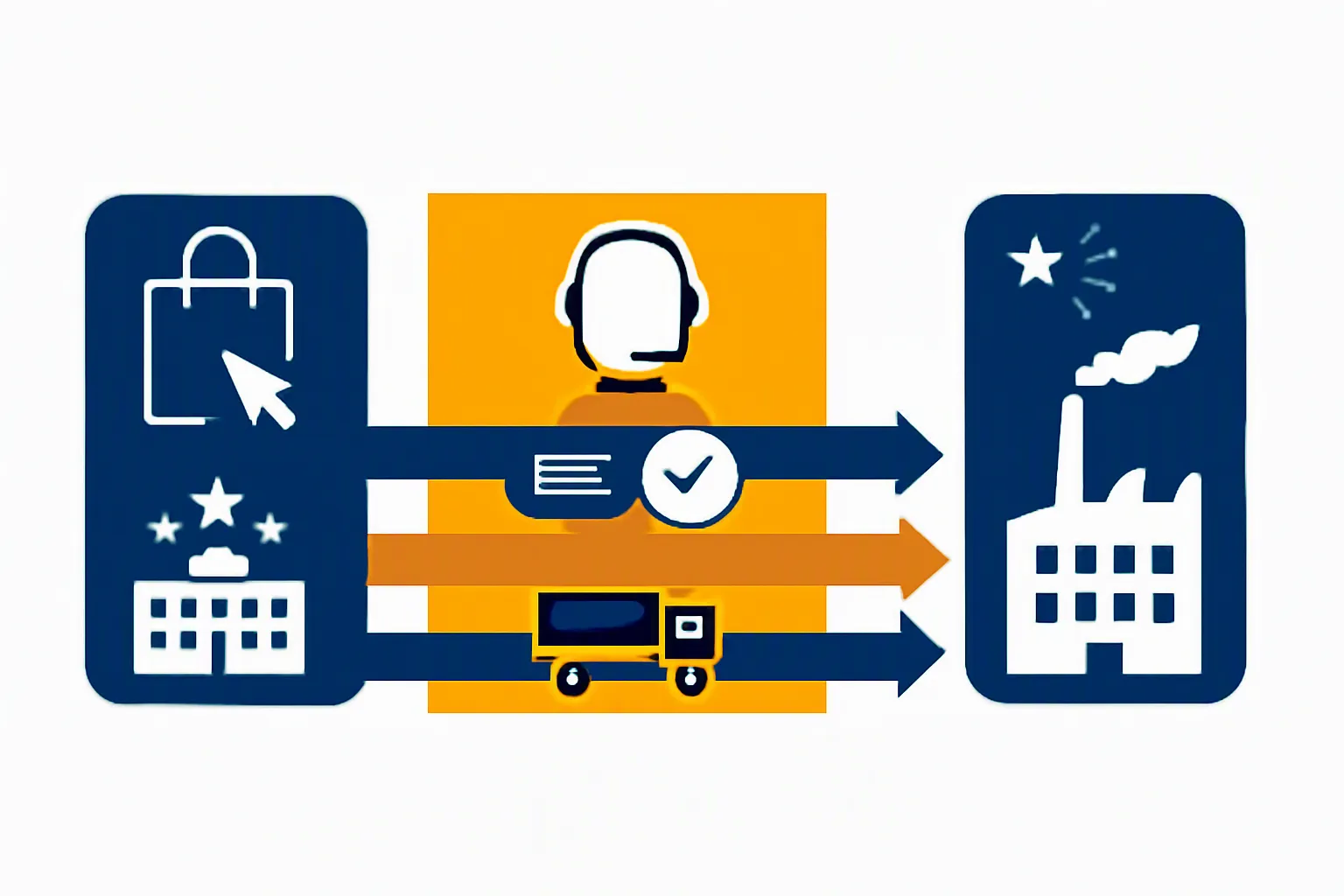
How does Link4a help US buyers navigate US-China relations? Link4a acts as a managed sourcing partner. Instead of leaving US buyers to guess which factories are reliable or compliant, Link4a shortlists suppliers, negotiates MOQs and pricing, coordinates samples, and handles multilingual communication. By drafting replies from the factory's actual in-stock catalogue, they eliminate the misinformation that often derails cross-border deals.
Are there specific materials I cannot import from China right now? Yes. The U.S. has restricted certain technology exports to China, and China has retaliated with its own export controls (Source: https://www.gao.gov/u.s.-china-relations). For example, in 2024, China imposed export restrictions on gallium and germanium, which are critical for electronics (Source: https://www.gao.gov/u.s.-china-relations). Additionally, goods linked to forced labor regions are strictly prohibited under the UFLPA.
Do I need a licensed customs broker to import from China to the US? While not legally mandated for every single shipment type, using a licensed US customs broker is standard practice for commercial imports. Brokers ensure your entry filings comply with CBP regulations, correctly classify your goods to apply the right tariff rates, and flag potential holds related to partner government agencies like the FDA or EPA.
Can Chinese factories sell directly to US consumers without an export team? Yes, through managed export operators. Link4a provides Chinese factories with a managed overseas storefront in six languages, complete with weekly SEO content tailored per market. They handle buyer conversations and charge a commission only on closed orders, removing the need for the factory to hire a US-based sales team.
Get started in United States
Understanding US-China relations is the foundation of building a resilient supply chain, but knowledge alone doesn't clear customs or negotiate better unit prices. Whether you are a US-based DTC creator looking to transition from generic marketplace purchases to custom, vetted manufacturing, or a Chinese factory owner seeking reliable access to American buyers, execution requires specialized infrastructure.
Stop relying on unverified marketplace listings and hoping your shipment clears the border. Evaluate your current supply chain against the regulatory realities outlined above. Check your HTS codes, verify your supplier's compliance history, and ensure your sourcing partner can communicate fluently in both English and Mandarin across a 12-hour time difference.
If you are ready to secure a dependable sourcing partner who handles factory vetting, sample coordination, and repeat orders so you don't have to gamble on your inventory, request your supplier shortlist today. Visit https://link4a.com to get MOQ and pricing details, request a sample, or set up a managed export storefront for your factory.