What Is Wholesale Trade? The Sourcing Engine Behind Global Retail
What Is Wholesale Trade? The Sourcing Engine Behind Global Retail
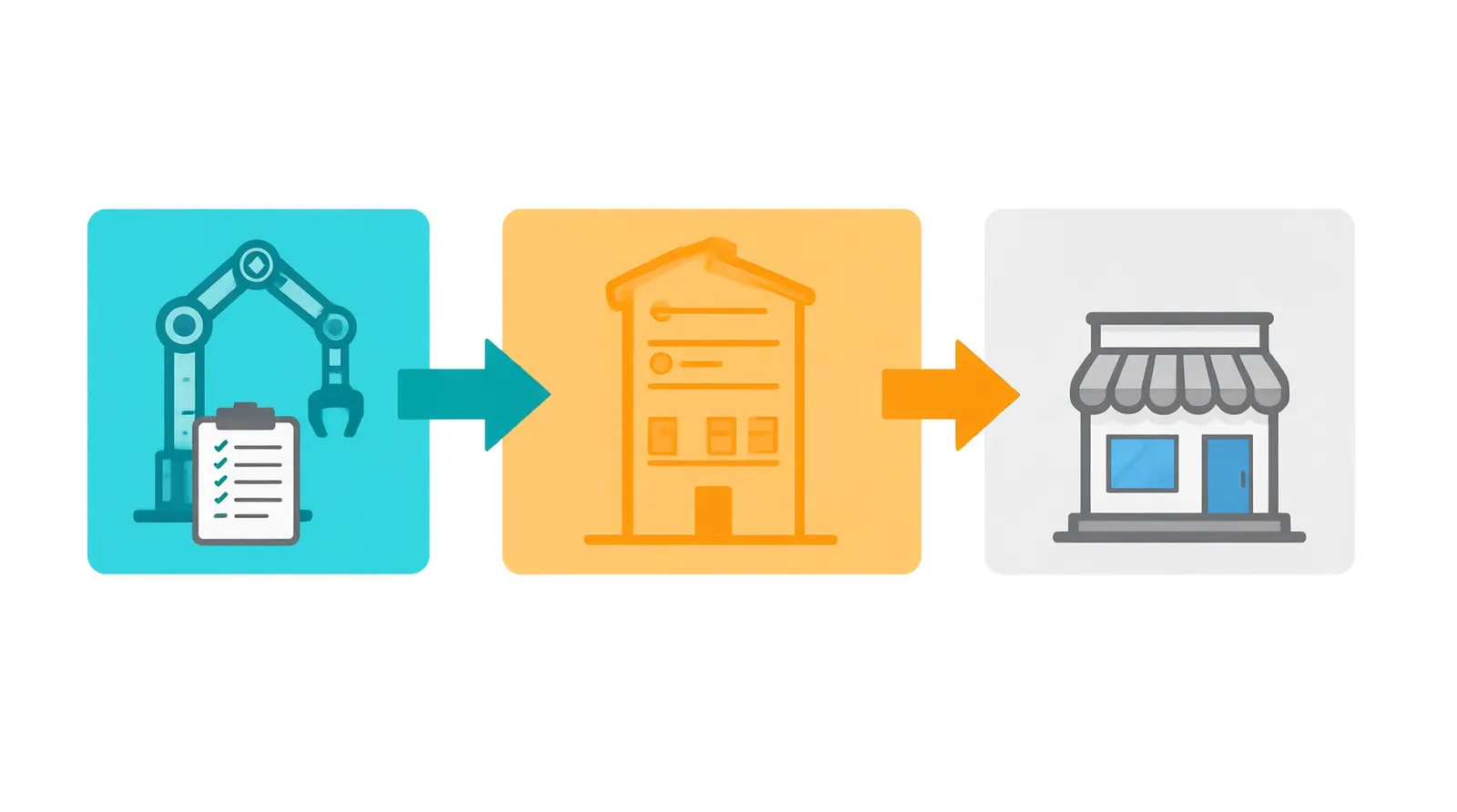
Wholesale trade is the business of buying goods in bulk directly from manufacturers and reselling them to retailers, commercial users, or other businesses rather than individual consumers. It does not mean selling cheap products; it means operating at a scale where per-unit costs drop because volume replaces margin-padding. For overseas buyers and DTC store owners evaluating Chinese supply, understanding what is wholesale trade determines whether you source reliably or gamble on marketplace listings.
If you run an online store or import goods commercially, your profit depends entirely on how this middle layer functions. A wholesaler acts as the gate between manufacturing floors and retail shelves. They consolidate output from multiple factories, absorb the risk of holding inventory, and break bulk into quantities that a single DTC brand can actually sell. Without this mechanism, a small plumbing supply shop would have to negotiate directly with dozens of foundries, or a jewelry brand would need to order 10,000 units just to get a production run started.
For buyers sourcing from China, Vietnam, or other major manufacturing hubs, wholesale trade is the operational reality behind every purchase order. You are either dealing directly with a factory's export department (acting as your own wholesaler) or working through distributors who aggregate supply. Knowing the difference dictates your pricing, lead times, and quality control. For a deeper dive into how this applies specifically to Asian supply chains, The Ultimate Wholesale Trade Guide for Sourcing from China breaks down the mechanics of factory-direct versus intermediary models. If you are expanding your procurement strategy beyond a single region, global wholesale sourcing requires adapting these same principles across different regulatory environments and logistics networks.
What Does Wholesale Trade Actually Mean?
To define what is wholesale trade precisely, we have to separate it from retail. Retail sells one unit to one consumer. Wholesale sells hundreds or thousands of units to a business that will use them, resell them, or incorporate them into another product. The transaction is B2B. If you want to understand the broader distinctions between these models, B2B vs B2C: The Complete Comparison Guide for Business Decision-Makers outlines how pricing structures and sales cycles diverge.
In practice, wholesale trade covers several specific activities:
- Merchant wholesalers: Independent businesses that take legal ownership (title) of the goods they buy from factories and sell to retailers. They hold inventory in warehouses.
- Agents and brokers: Intermediaries who do not take ownership of the goods. They negotiate the deal between a buyer and a manufacturer and earn a commission.
- Manufacturers' sales branches: When a factory sets up its own dedicated wholesale division to sell directly to commercial buyers, bypassing third-party merchants.
Consider a concrete example. A factory in Dongguan produces brass plumbing fittings. They cast, machine, and polish valves. They do not have the infrastructure to ship 50 valves to a hardware store in Ohio. A merchant wholesaler buys 50,000 valves, stores them, and fulfills orders of 500 units to regional distributors across North America. The wholesaler's margin covers warehousing, logistics, and the capital tied up in stock. Understanding what manufacturing means in this context clarifies why factories rely on these wholesale intermediaries rather than managing fragmented retail distribution themselves.
Another example: a DTC jewelry brand needs 300 silver pendants. A factory’s minimum order quantity (MOQ) for custom tooling might be 2,000 pieces. A wholesale distributor who already stocks that factory's catalog can sell the brand 300 units from existing inventory. This is why wholesale trade exists—it bridges the gap between manufacturing efficiency (which demands high volume) and retail demand (which requires flexibility). For category-specific examples of this dynamic, How to Buy Jewellery Wholesale: The Smart Buyer's Complete Guide details how MOQs and sample coordination work in the accessories sector.
How Wholesale Trade Works in Practice
Understanding what is wholesale trade conceptually is different from executing a transaction. The workflow follows a strict sequence. Skipping steps usually results in defective shipments or delayed launches.
Supplier Shortlisting and Verification
The process starts with identifying capable factories. In China alone, there are millions of registered manufacturers. Shortlisting requires filtering by production capability, certifications (like ISO 9001 for quality management or BSCI for social compliance), and historical export data. Buyers or their sourcing partners review factory audit reports before sending inquiries. Verification is not optional; it is the first line of defense against trading companies masquerading as direct manufacturers. If you are evaluating different intermediary models, Trading Company vs Alternatives: Which B2B Sourcing Model Wins? compares the cost structures of each approach.
Negotiating Price and MOQ
Once shortlisted, the buyer requests a quote. This is where the wholesale model shows its mechanics. Factories price goods based on volume tiers. A run of 1,000 units carries a higher per-piece cost than a run of 10,000 units because the setup time for machinery and molds is amortized over fewer items. Negotiation involves balancing the buyer's cash flow constraints against the factory's production efficiency.
Sample Coordination
Before committing to bulk, buyers order samples. A pre-production sample proves the factory can meet specifications. Lead times for samples vary—typically 7 to 15 days for standard items, longer if new tooling is required. Samples must be tested, measured, and approved in writing before mass production begins.
Production and Quality Control
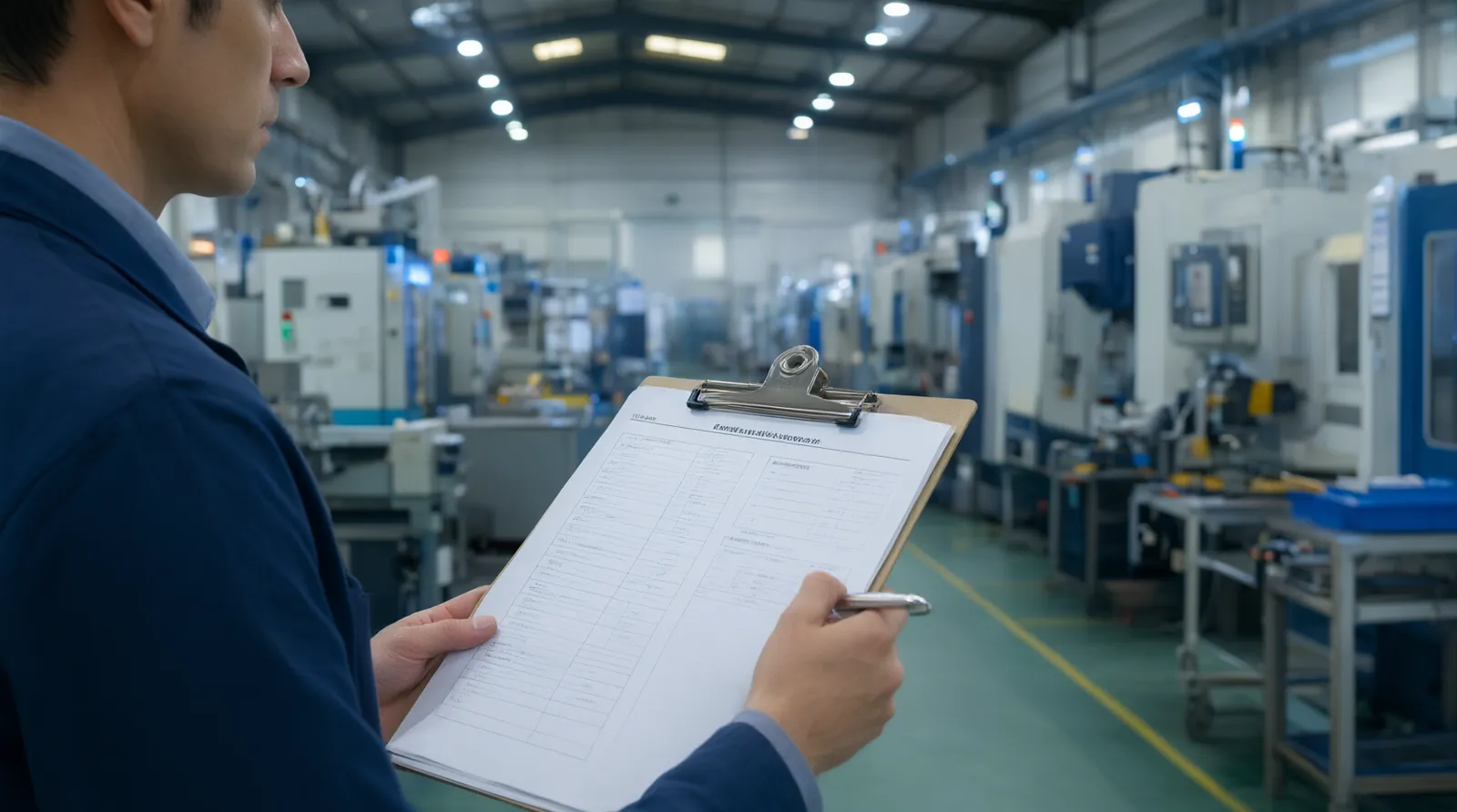
After sample approval and deposit payment (commonly 30% upfront), manufacturing starts. Quality control inspections happen during production (DUPRO) and before shipment (pre-shipment inspection). Inspectors check dimensions, material composition, packaging, and function against the approved sample.
Logistics and Fulfillment
Finished goods move from the factory floor to a consolidation warehouse, then to a port for export. The wholesaler or buyer manages customs documentation, bills of lading, and freight forwarding.
Why Is Wholesale Trade Important for Overseas Buyers?
For overseas importers and DTC operators, wholesale trade is not just a purchasing method; it is a risk-management framework. Here is why it matters.
Capital Efficiency. Buying wholesale allows businesses to secure lower per-unit costs without necessarily building their own manufacturing plants. You allocate capital to marketing and sales rather than heavy machinery.
Access to Specialized Manufacturing. Countries like China and Vietnam have developed dense industrial clusters. A single city might specialize entirely in electronics assembly, while another focuses on textiles. Wholesale trade gives global buyers access to these specialized ecosystems without needing to understand local labor laws, raw material sourcing, or factory management.
Inventory Buffering. Wholesalers hold stock. If a sudden trend spikes demand for a specific product, a retailer relying solely on direct factory orders faces 30-to-60-day production lead times. A wholesaler with ready inventory can ship immediately. This buffering protects the retailer's sales momentum.
Quality Standardization. Reputable wholesale operations enforce consistent standards across batches. When you buy from a vetted wholesale partner, the 5th order matches the 1st order. Direct factory sourcing without oversight often leads to "quality fade," where manufacturers quietly substitute cheaper materials after the initial relationship is established to protect their margins.
When Should You Use Wholesale Trade?
Knowing when to engage in wholesale trade versus alternative sourcing methods prevents wasted budget.
Use wholesale trade when:
- You are launching a new DTC brand and cannot meet a factory's 5,000-unit MOQ.
- You need to test market demand for a product category before committing to custom tooling.
- Your business requires a diverse catalog sourced from multiple factories, making direct management of 20 different suppliers operationally impossible.
- You lack the internal team to perform factory audits, negotiate in Mandarin, or manage international freight logistics.
Avoid traditional wholesale when:
- Your volume is large enough to justify direct factory contracts (e.g., ordering full shipping containers of a single SKU).
- You require highly proprietary designs that cannot pass through third-party hands due to intellectual property risks.
- Your margins are so thin that even the standard wholesale markup makes the product unviable in your target market.
A common scenario for online creators transitioning into e-commerce illustrates this perfectly. A creator with an audience wants to launch a branded merchandise line. They do not have the expertise to vet a garment factory in Guangzhou. Engaging a wholesale partner or sourcing agent who already has vetted relationships allows the creator to focus on marketing while the partner handles the manufacturing logistics.
The Benefits of Wholesale Trade for DTC Store Owners
DTC brands operate on tight margins and fast cycles. Wholesale trade provides specific structural advantages for this model.
Lower Barrier to Entry
Factories prioritize large buyers. A DTC store ordering 500 units is often ignored or quoted artificially high prices to discourage small orders. Wholesalers aggregate demand from hundreds of small buyers, giving them the leverage to negotiate favorable terms with factories. The DTC owner benefits from this aggregated buying power.
Reduced Operational Overhead
Managing a supply chain requires multilingual communication, constant follow-ups, and technical knowledge of manufacturing processes. By utilizing wholesale channels, store owners outsource this complexity. Instead of tracking raw material availability for plumbing fixtures or checking plating microns on jewelry, the store owner manages customer acquisition.
Faster Time to Market
Custom manufacturing takes months. Wholesale catalogs offer ready-made products that can be shipped within days. For DTC brands testing new niches, speed is critical. Buying wholesale allows a brand to list a product, run ads, and validate demand before investing in custom product development.
Wholesale Trade Challenges and How Sourcing Partners Solve Them
Traditional wholesale trade has friction points. Understanding these gaps explains why managed sourcing services have emerged.
The Verification Gap. Many platforms show factories, but verification is inconsistent. A listing might represent a legitimate manufacturer, or it might be a broker adding a margin layer. Overseas buyers often cannot tell the difference until a shipment arrives late or fails quality checks. Sourcing partners solve this by physically visiting facilities, checking business licenses, and verifying production capacity before adding a factory to their network.
Communication Breakdowns. Language barriers cause specification errors. A buyer requests a specific alloy for a metal component; the translation loses nuance, and the factory uses a cheaper substitute. Managed export operators bridge this by employing bilingual teams who translate technical requirements accurately, not just linguistically.
Marketing Disconnect for Factories. On the flip side, Chinese factory owners often produce excellent goods but lack the infrastructure to reach overseas buyers. Hiring an export sales team is expensive and risky. Platforms like Link4a (链上科技) address this by offering managed overseas storefronts. Instead of charging factories upfront fees, they operate on a commission-only model—nothing is paid before an order closes. They handle multilingual localization (six languages, including right-to-left Arabic layouts), weekly SEO content tailored per market rather than directly translated, and buyer conversations drafted from the factory's actual in-stock catalogue. This removes the guesswork for both sides. The effectiveness of this localized approach is measurable: periodic sweeps of client store product pages have shown strong organic search visibility on US Google, though rankings naturally fluctuate daily based on algorithm updates and competitor activity.
Repeat Order Friction. Placing the first order is difficult; placing the second should be easy, but often isn't. Factories change personnel, raw material costs fluctuate, and previous specifications get lost. A dedicated sourcing partner maintains the institutional memory of your account, ensuring repeat orders match original samples without requiring the buyer to renegotiate from scratch.
Wholesale Trade Across Different Industries
The mechanics of what is wholesale trade shift depending on the physical nature of the goods.
Plumbing and Hardware: These are heavy, standardized goods. Wholesale here revolves around logistics efficiency and material certifications. Buyers need assurance that brass fittings meet specific pressure ratings. Distributors hold massive warehouse space to buffer supply chain delays.
Electronics: Fast depreciation cycles dominate. Wholesale trade in electronics requires rapid turnover. Holding inventory too long means selling obsolete technology at a loss. Buyers rely on wholesalers who have tight integration with manufacturing schedules in hubs like Shenzhen.
Apparel and Textiles: Highly seasonal. Wholesale buyers must forecast trends months in advance. Factories in Vietnam and China operate on strict production calendars. Missing the window for summer apparel means holding dead stock until the following year.
Jewelry and Accessories: Low weight, high value. Wholesale trade here focuses heavily on intellectual property protection and precise craftsmanship (e.g., exact plating thickness, stone setting security). Buyers require rigorous sample approval processes before authorizing bulk runs. Navigating wholesale jewellery sourcing successfully demands particular attention to hallmarking standards and gemstone grading consistency across large production runs.
Conclusion
Understanding what is wholesale trade is foundational for any business importing goods or managing a DTC brand. It is the system that translates raw manufacturing capacity into accessible, purchasable inventory. Whether you are negotiating MOQs for plumbing parts or coordinating sample approvals for a new jewelry line, the wholesale layer dictates your costs, timelines, and quality consistency.
The difference between a successful import strategy and a failed one rarely comes down to the product itself. It comes down to how the supply chain is managed. Gambling on unverified marketplace listings exposes your business to quality fade, communication failures, and logistical delays. Partnering with vetted intermediaries or managed sourcing operators transfers that operational risk away from your core business.
Your next step should be auditing your current sourcing workflow. Identify where you are losing time to factory negotiations or where quality inconsistencies are eating into your margins. If you are evaluating Chinese supply and need a partner to handle supplier shortlisting, factory vetting, and multilingual coordination, explore how managed sourcing operates at Link4a.
Frequently Asked Questions
What is what is wholesale trade?
Wholesale trade is the bulk procurement of goods directly from manufacturers—such as Dongguan-based electronics factories or Yiwu commodity suppliers—for resale by DTC operators, typically requiring MOQs of 500–1,000 units and 30–45 day production lead times. Verified Chinese wholesale partners should hold ISO 9001 quality management, BSCI social compliance, and product-specific certifications (e.g., CE, FCC, RoHS) to meet import regulations. Sourcing platforms like 链上科技 streamline this process by connecting overseas buyers with audited factories capable of OEM/ODM manufacturing, private labeling, and direct container shipping.
How to what is wholesale trade?
Wholesale trade is the B2B purchase of bulk inventory directly from Chinese manufacturers—such as Dongguan-based electronics OEMs or Yiwu commodity factories—for DTC resale, typically requiring MOQs of 500–1,000 units and 30–45 day production lead times. Sourcing buyers evaluate these suppliers through concrete metrics like ISO 9001/BSCI certifications, FOB pricing, and QC processes (e.g., AQL 2.5 pre-shipment inspections) rather than retail channels. Platforms like 链上科技 or Sitebox streamline this by connecting overseas operators directly to vetted factory capacity for scalable procurement.
Why is what is wholesale trade important?
Wholesale trade is critical for DTC operators sourcing from China because it provides direct access to verified factories—such as those in Shenzhen or Yiwu holding ISO 9001, BSCI, and product-specific certifications (e.g., CE, UL)—with transparent MOQs (typically 500–2,000 units) and defined 30–45 day production lead times. Engaging directly in wholesale supply chains eliminates intermediary markups and allows buyers to enforce strict QC processes like inline inspections and pre-shipment AQL checks before container loading. Platforms like 链上科技 or Sitebox streamline this by digitizing supplier vetting, sample approvals, and order tracking for overseas procurement teams.
When should I use what is wholesale trade?
Use "what is wholesale trade" when explaining to overseas DTC operators how Chinese factories (e.g., 链上科技, Sitebox) sell bulk inventory directly at MOQs of 500–1,000 units with 30–45 day lead times, rather than through retail channels. Reference it when verifying that a supplier holds necessary export certifications like ISO 9001, BSCI, or CE/FCC before committing to FOB/CIF terms. It clarifies the exact procurement process—from sampling and tooling to mass production—for buyers evaluating direct Chinese supply chains.
What are the benefits of what is wholesale trade?
Wholesale trade benefits overseas sourcing buyers by granting direct access to Chinese factories—such as those in Shenzhen or Yiwu—where unit costs drop significantly at MOQs of 500–1,000 pieces with standard 30–45 day lead times. For DTC operators, buying wholesale from verified suppliers (holding ISO 9001, BSCI, or product-specific certifications like CE/FCC) bypasses domestic middlemen and secures consistent production processes like CNC machining or injection molding. Platforms like 链上科技 or Sitebox streamline this by connecting buyers directly to vetted manufacturers, reducing per-unit landed costs while ensuring compliance for Western markets.