Wholesale Apparel Catalogs: How China Sourcing Partners Drive Global Sales
Wholesale Apparel Catalogs: How China Sourcing Partners Drive Global Sales
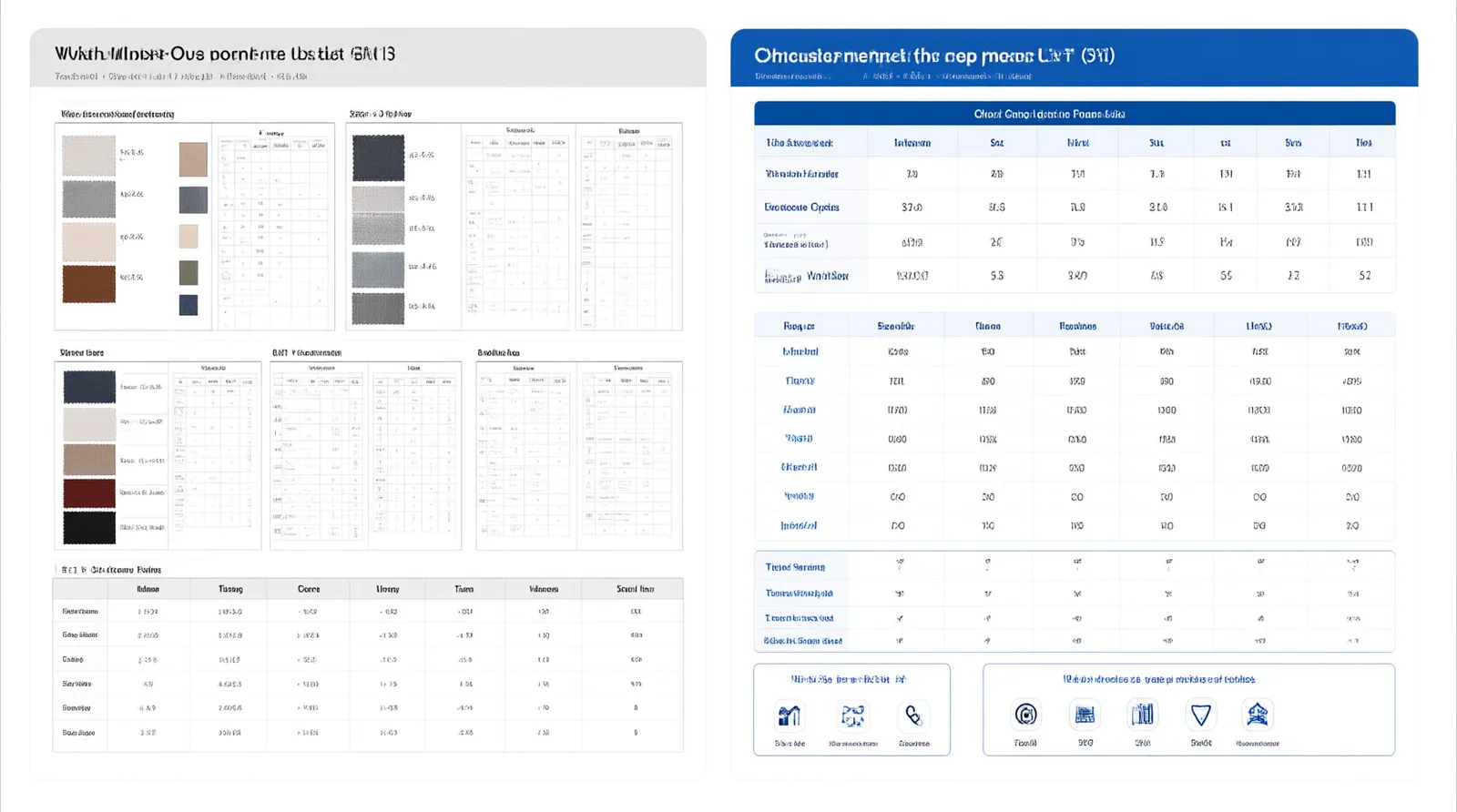
Wholesale apparel catalogs are the primary commercial tool connecting a Chinese factory's production capacity to an overseas buyer's purchasing decision — and most factories handle them badly. A catalog missing fabric compositions, size run charts, and explicit MOQ tiers does not generate a polite "maybe later" from a serious buyer. It generates silence.
For importers, DTC store owners, and online creators evaluating suppliers, the catalog is the first due-diligence document. They read it the way a builder reads a structural spec: with active scrutiny for gaps, inconsistencies, and anything that signals the supplier won't deliver. What they find in those first pages determines whether they submit an inquiry or close the tab.
The China Sourcing Reality That No Marketplace Listing Addresses
China's apparel manufacturing sector produces at a scale and category depth that no other country matches. From performance sportswear and cut-and-sew basics to formal occasion wear, a single industrial cluster can often handle the full range. The problem is not supply — it's discovery and trust.
Most factories have no dedicated export sales function. Their catalog, if one exists at all, was built for domestic trade fairs: content in Mandarin, pricing in RMB, and delivery terms designed for local distributors. An overseas buyer landing on that material faces a translation problem, a currency problem, and a trust problem at the same time. Platforms like Faire, which hosts over 100,000 brands for wholesale buying online, have partially addressed discovery — but they cannot substitute for a factory-verified, buyer-ready catalog built for a specific international market.
This is the gap a managed China sourcing partner fills. Instead of asking buyers to interpret raw factory materials, a sourcing partner builds a localized, vetted catalog that addresses what overseas buyers need to evaluate: construction details, compliance status, real production capacity, and realistic lead times. Think of it as laying the plumbing before the water turns on — the infrastructure that makes the whole commercial relationship function.
Why Generic Wholesale Catalog Solutions Fall Short for This Industry
Off-the-shelf catalog platforms were built for brands that own their inventory, know their exact SKU count, and operate in one language. The China sourcing vertical has none of those conditions.
A single sourcing partner may represent multiple vetted factories across different categories — cut-and-sew basics from one supplier, performance fabrics from another, accessories from a third. Each factory runs its own production calendar, MOQ floor, and export certification status. Treating that portfolio as a standard product catalog produces one of two failures: an oversimplified listing that strips out the detail buyers need, or a data dump that reads like a raw bill of materials.
The second failure mode is language. Most catalog tools translate English into other languages. China sourcing operates in the opposite direction — content originates in Chinese and must be accurately converted into buyer-market language, including Arabic for Gulf importers (which requires right-to-left layout, not just character substitution), Spanish for Latin American buyers, and German for European trade. A "global" catalog that is simply the English version with flags attached is not a global catalog. It is an English catalog with decorative flags.
Third is compliance. Buyers evaluating a Chinese factory for apparel aren't only looking at price. They're checking OEKO-TEX, BSCI, or country-of-origin certifications relevant to their import market. A catalog that omits this information is not neutral — it signals the supplier hasn't considered the buyer's sourcing obligations.
Core Use Cases for Wholesale Apparel Catalogs in China Sourcing
1. Supplier Shortlisting: Turning Raw Factory Data Into Buyer-Ready Listings
The problem: A Chinese knitwear factory produces 47 SKUs across women's and men's categories. Their internal inventory system — a tool built for domestic sales — lists everything in Mandarin with domestic SKU codes and no export-relevant specifications.
How a structured catalog bridges the gap: A sourcing partner translates, restructures, and enriches each listing with what international buyers require — fabric composition by percentage, country-of-origin labeling compliance, care instruction format per market, and a size conversion chart mapped to US, EU, and UK standards.
What success looks like: Inquiry conversion — the ratio of catalog views to buyer contact submissions — increases. Buyers spend time on specific product pages rather than bouncing after the first screen. Back-and-forth between the sourcing manager and factory drops because the catalog answers standard questions before a buyer asks them.
Example: A DTC activewear brand sourcing gym leggings and sports bras requests samples from three Chinese suppliers. The one with a structured catalog specifying compression level, fabric weight in GSM, and OEKO-TEX certification gets the sample request. The other two receive no reply.
2. MOQ and Pricing Transparency: Publishing What Buyers Need to Commit
The problem: Minimum order quantity is the most common reason an overseas buyer exits a supplier conversation before it starts. A factory quoting 500 pieces per color to a DTC store that needs 100 units to test a new style loses the business before negotiation opens.
How transparent catalog pricing fixes this: A well-structured catalog publishes MOQ tiers explicitly — distinguishing between stock styles available in smaller runs and custom or private-label programs that carry higher minimums. Pricing structures are laid out by tier so that a buyer placing a test order and a distributor placing a seasonal replenishment both understand their landed cost before picking up the phone.
What success looks like: Buyers arrive at the first inquiry call already knowing their budget position. Negotiation compresses from multiple rounds to one or two. Factories close a higher proportion of the inquiries they receive because unqualified buyers self-select out earlier.
Example: A US-based importer building a private-label sportswear line reviews a sourcing partner's catalog, identifies a factory offering low-MOQ white-label tracksuits at a viable retail margin, and submits an inquiry the same session — no additional research required.
If you're navigating similar procurement decisions for accessories alongside apparel, the complete guide to sourcing apparel accessories wholesale covers supplier evaluation criteria that apply across both categories.
3. Sample Coordination: Using the Catalog as a Technical Brief
The problem: Sample rejections are expensive — they cost time, international shipping, and factory goodwill. The most common cause is not poor factory quality but specification ambiguity. A buyer requests "a relaxed-fit crew neck" and receives something technically correct but commercially wrong because no one converted "relaxed fit" into actual garment measurements.
How the catalog replaces ambiguous briefs: A sourcing-partner-managed catalog includes technical specification sheets at the SKU level — flat-lay measurements, stitch counts where relevant, trims and hardware detail, and finish options. When a buyer requests a sample, the catalog page functions as the production brief. The factory produces to the spec, not an approximation of it.
What success looks like: First-sample approval rates rise. Buyers who previously went through three rounds before approval move to two. Production order lead times shorten because the spec is locked before sampling begins.
Example: A European multi-brand retailer requesting women's outerwear samples sends the catalog spec sheet as the sole brief. The first sample hits all measurements and trim details within tolerance; the order is confirmed on the second exchange.
4. Repeat Order Management: Keeping Catalogs Current Across Seasons
The problem: Apparel has hard seasonal trade windows. A buyer who placed a summer order and wants to plan a fall program needs current catalog information — updated fabric options, new colorways, and revised pricing reflecting raw material changes. A static catalog six months out of date is actively harmful: it creates orders factories can no longer fulfill at quoted terms.
How a managed catalog keeps buyers returning: A managed catalog operates on a defined update cycle tied to the factory's production calendar. New styles launch ahead of the sourcing season, discontinued styles are flagged or removed, and pricing reflects the current commodity environment. Buyers plan forward without calling the sourcing manager to ask whether last season's pricing still holds.
What success looks like: Repeat order rate increases. Buyers who tested a supplier successfully in one season return in the next because the sourcing path is low-friction. Sourcing managers spend less time fielding availability queries.
Example: A Scandinavian importer whose first order of athletic socks and cooling towels went smoothly returns the following season. The catalog already shows the factory's new compression sock line with updated MOQ tiers. The buyer adds to their order without a call.
5. Multi-Market Distribution: One Factory, Six Buyer Audiences
The problem: A Chinese factory making quality men's tracksuits, tank tops, and outerwear is sitting on commercial potential it cannot access. Its catalog was built for domestic suppliers — a document that opens no doors to buyers in the Gulf, Europe, or Southeast Asia, because those buyers can't find it, can't read it, and can't evaluate it.
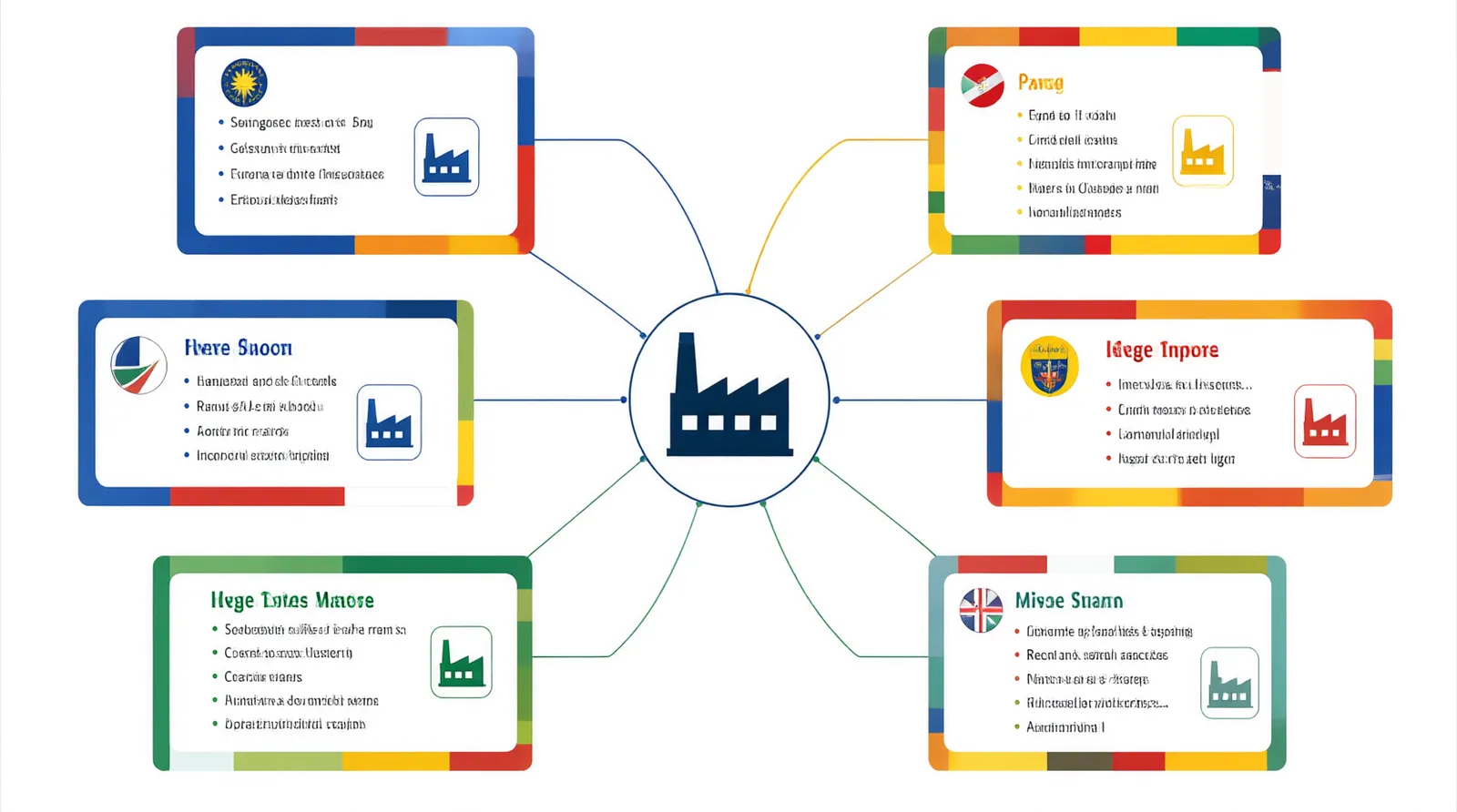
How localized catalogs open new markets: A managed export operator builds market-specific catalog pages in six languages — English for the US and UK, Arabic for the Gulf with right-to-left layout, Spanish for Latin American distributors, German for DACH-region buyers. Each version uses per-language keyword research rather than translating the English text, which means it surfaces in organic searches those buyers actually run.
What success looks like: The factory receives inquiries from markets it has never served. Its effective global trade reach expands without hiring an export team. The commission-only structure means the factory pays nothing until an order closes.
Example: A factory producing compression clothing and yoga apparel that previously served only domestic Chinese clients receives its first Gulf-region buyer inquiry — in Arabic — within one quarter of a managed multilingual catalog going live.
6. Compliance Documentation: Reducing Buyer Risk at the Catalog Stage
The problem: Buyers importing apparel into the EU, US, or Gulf must meet labeling, chemical, and labor-standard requirements. A catalog that doesn't address these requirements doesn't just lose sales — it exposes buyers to customs holds and import fines if they order without verifying.
How the catalog handles compliance upfront: A sourcing-partner-managed catalog includes a certification section for each factory: OEKO-TEX or GOTS for chemical safety, BSCI or similar for social compliance, country-of-origin documentation for tariff classification, and any required fire-resistance certifications for children's activewear categories. This section is updated when factory audits renew.
What success looks like: Buyers complete their supplier due-diligence internally without requesting a documentation pack from the sourcing manager. Import compliance officers at large retailers can clear a new vendor from catalog documentation alone, compressing the approval timeline from months to weeks.
Example: A UK-based online retailer's compliance team reviews a sourcing partner's catalog and clears a Chinese sportswear factory for approved-vendor status based on BSCI audit documentation and OEKO-TEX certification published directly in the catalog.
China Sourcing-Specific Considerations
Regulatory and Compliance
Import compliance requirements vary significantly by destination market. EU buyers must confirm REACH compliance for chemical substances in fabrics. US buyers need correct fiber content labeling under FTC requirements and compliant care instruction formatting. Gulf buyers may have specific requirements around packaging and labeling that differ from Western standards. A wholesale apparel catalog that serves international buyers must address the compliance requirements of each target market separately — not list factory certifications generically and leave interpretation to the buyer.
Integration with Industry-Standard Tools
Chinese factories typically operate on ERP systems designed for domestic trade — tools that don't export to international catalog formats without intermediation. A sourcing partner's role includes bridging that gap: extracting accurate inventory and specification data from the factory's internal system and publishing it in a format compatible with the platforms overseas buyers use — whether a wholesale portal, a managed storefront, or a direct inquiry-optimized product page. For reference, Portal Wholesale illustrates how brands structured for international wholesale presentation can request line sheets directly from catalog pages — a model that works only when the underlying catalog data is accurate and complete.
Data Sensitivity
Factory pricing, production capacity, and existing client lists are commercially sensitive. A well-managed catalog publishes what buyers need to evaluate and inquire — without exposing the factory's cost structure or OEM relationships. MOQ floors and pricing tiers are the right level of disclosure. Exact landed costs, factory margins, and named clients are not.
Scale and Seasonality
Apparel operates on two primary buying cycles and several secondary ones. A catalog built to serve a January buying window for summer goods must be refreshed with fall/winter inventory by July at the latest. Factories expanding their seasonal range — adding a swim and beach line to a core activewear catalog, for example — need catalog updates fast enough to capture the sourcing window, not ones that arrive after buyers have committed elsewhere.
Implementation Roadmap for China Sourcing Teams
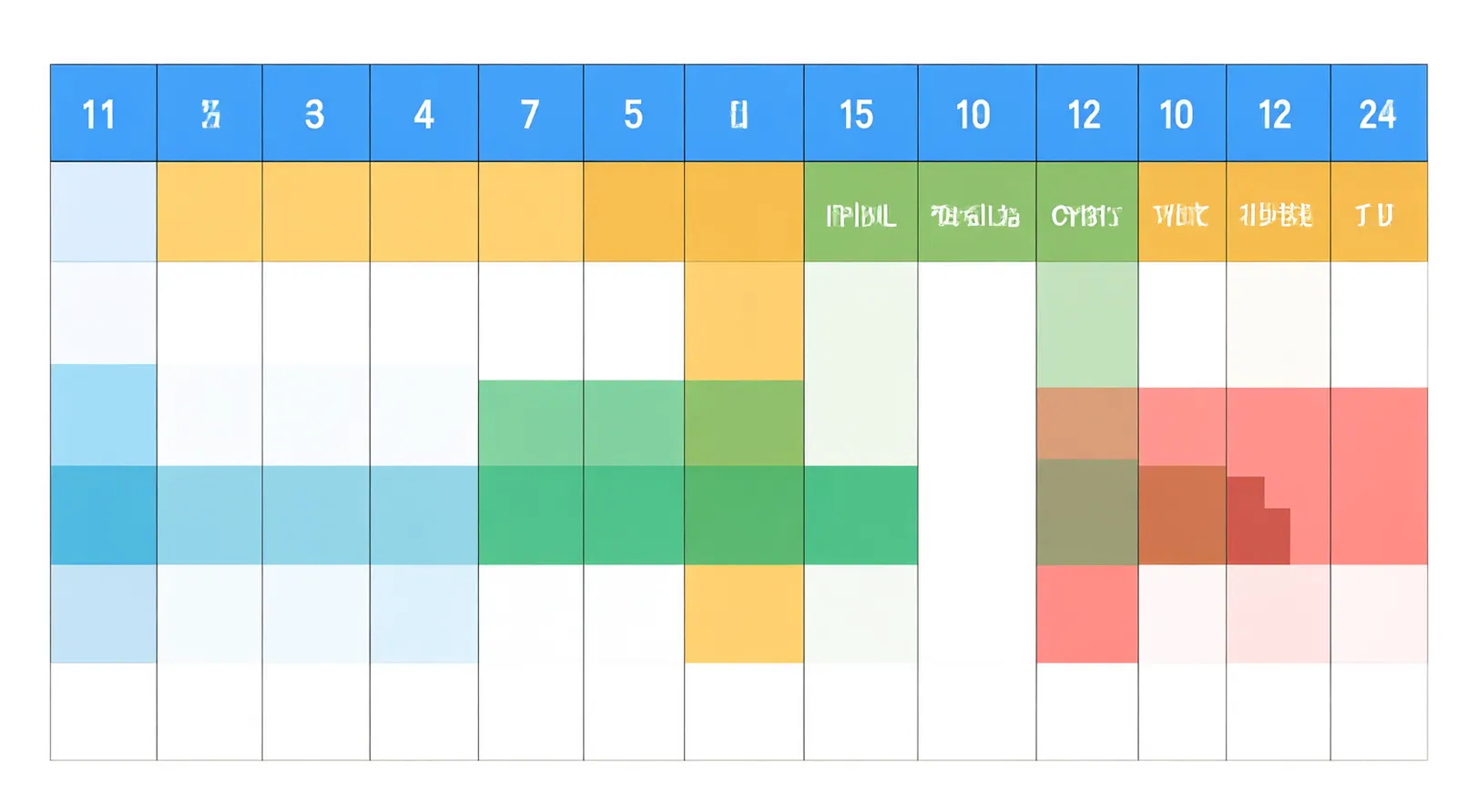
Phase 1 — Pilot (Weeks 1–6)
- Select one factory with a clear product focus — activewear, men's basics, or a specific sports jersey category.
- Conduct a full catalog audit: identify existing documentation, flag gaps in spec, sizing, compliance, and pricing.
- Build a single-language English catalog for one target market. Establish a review cycle directly with the factory.
- Publish and monitor: track inquiry volume versus the pre-catalog baseline over four weeks.
Phase 2 — Department Rollout (Weeks 7–16)
- Extend the pilot catalog to two additional languages based on target buyer markets.
- Apply the same catalog structure to two additional vetted factories in the portfolio.
- Integrate compliance documentation for each factory — OEKO-TEX, BSCI, or market-equivalent.
- Launch buyer-facing inquiry forms connected directly to catalog pages, segmented by factory.
Phase 3 — Org-Wide (Weeks 17–26)
- Build the full multilingual catalog suite across six locales, with per-language SEO and right-to-left layout for Arabic.
- Establish seasonal update protocols: catalog pages go live no later than eight weeks before the opening of the relevant sourcing window.
- Track and publish ranking performance for catalog pages. Verifiable rankings are what convert skeptical international buyers — not marketing claims.
- Connect the catalog system to repeat-order workflows: buyers who discover a factory through the catalog move into a managed ordering relationship, not back to cold outreach.
ROI and Business Outcomes for China Sourcing Operations
The metrics that matter in this vertical are inquiry rate, sample conversion, and repeat order rate — not catalog downloads or page views in isolation.
A factory with no export catalog generates zero inbound inquiries from organic search. A managed multilingual catalog, built with per-market keyword research and updated on a production-cycle schedule, generates inquiries in markets the factory has never served. For overseas buyers, the ROI is time: a buyer who can evaluate a supplier fully from a catalog — specs, compliance, MOQ tiers, lead times — makes a faster sourcing decision. The difference between a three-week and a six-week due-diligence cycle, multiplied across a seasonal buying program, is material. Suppliers who make the evaluation process easier get the order.
For sourcing managers on the buyer side, a well-managed catalog reduces back-channel communication: fewer "what is the exact fabric weight" exchanges, fewer sample rejections from spec ambiguity, fewer post-order compliance surprises. Less friction in the front end of the sourcing process compounds into meaningful time savings across a full buying season.
Start With a Catalog That Actually Converts
The gap between a factory's production quality and what overseas buyers can see, trust, and act on is a catalog problem. Buyers evaluating Chinese apparel suppliers — whether they're building a DTC sportswear brand, sourcing for a multi-brand retailer, or running a private-label program — make faster, more confident decisions when the catalog gives them what they need without follow-up calls.
For Chinese factory owners who want their range selling in international markets without building an export sales team, and for overseas buyers who want a dependable sourcing partner that shortlists factories, negotiates terms, and coordinates samples on their behalf, the path forward is straightforward.
Request a quote or get MOQ and pricing from Link4a → The conversation starts with your product category and target markets. For factories, no fee applies until an order closes.