5 Best Alternatives to Wholesale Catalog Clothing for Buyers
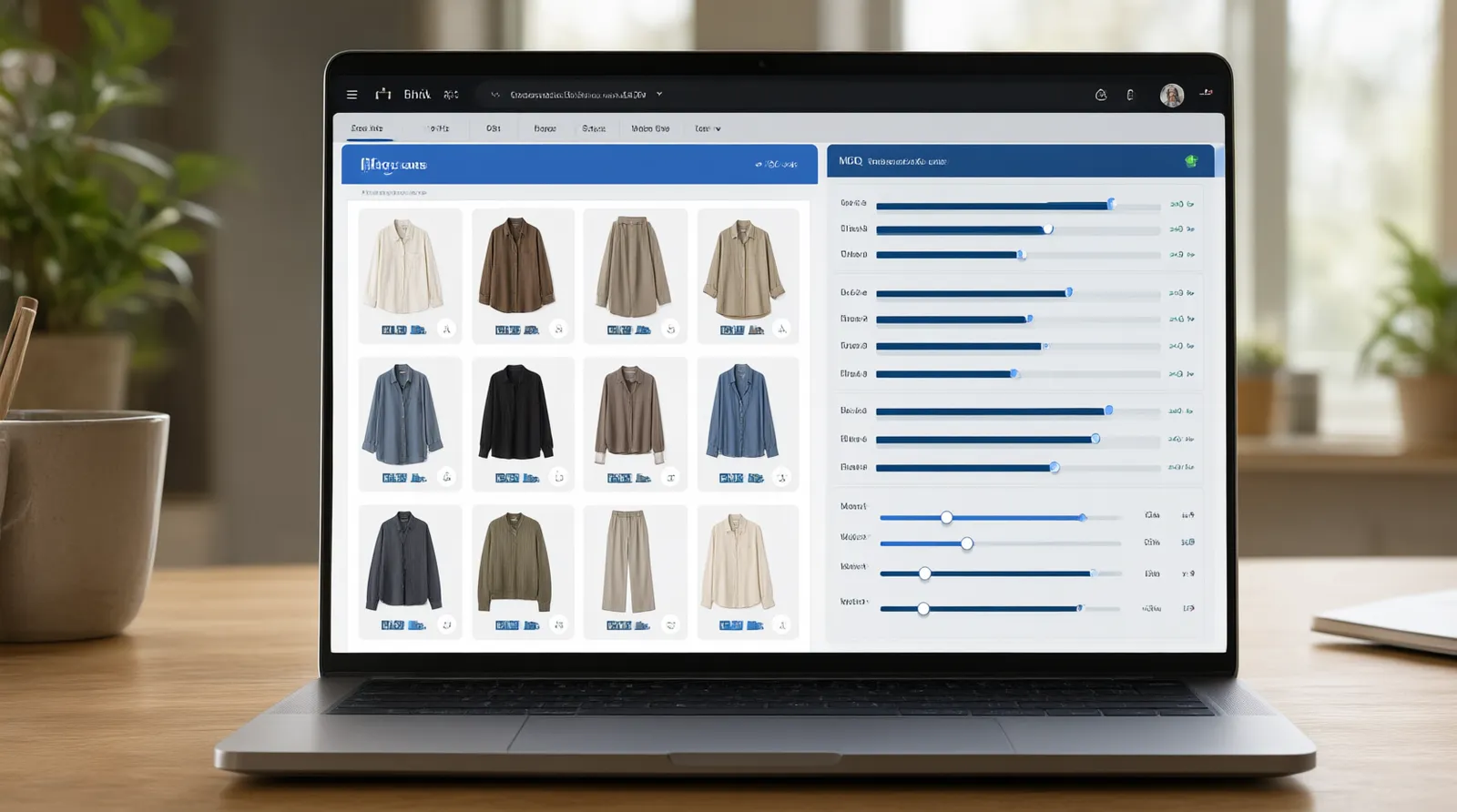
5 Best Alternatives to Wholesale Catalog Clothing for Buyers
Buyers replacing wholesale catalog clothing typically switch because static PDF or spreadsheet catalogs lack real-time inventory visibility, lock them into rigid minimum order quantities (MOQs), and offer no support for quality control before shipping. The most effective alternatives range from managed China sourcing partners that vet factories on your behalf to direct-to-factory platforms and regional B2B marketplaces that allow dynamic filtering by MOQ, price, and production capacity.
If you are currently shopping for a replacement for a traditional wholesale catalog clothing supplier, you need a model that moves beyond downloading a 24.07 MB xlsx file—as seen with the SHEIN wholesale clothing catalog on ApparelCN—and toward active supplier management. This guide breaks down the exact alternatives available to overseas buyers, importers, DTC store owners, and online creators who need dependable sourcing rather than gambling on a marketplace listing.
Why Look for Alternatives to Wholesale Catalog Clothing?
Static wholesale catalog clothing models force buyers to operate blind. You download a file, pick SKUs, wire funds, and hope the shipment matches the photos. When the SHEIN wholesale clothing catalog page on ApparelCN received 3289 views, it highlighted a massive demand for accessible product lists. But high demand for a spreadsheet does not equal a reliable supply chain. Buyers quickly discover that these catalogs rarely reflect actual factory floor stock, leading to backorders, substituted fabrics, and missed retail windows.
Scale limits are another breaking point. Traditional wholesale catalog clothing suppliers often enforce blanket MOQs across all styles. If you run a DTC store testing five new designs, ordering 500 units per style just to meet a catalog’s threshold ties up cash flow. Conversely, if you are scaling fast, a static catalog lacks the infrastructure to coordinate repeat orders, manage multilingual communication with the factory, or handle the logistics of global trade. You end up acting as your own project manager for manufacturers who only speak Mandarin.
Support and lock-in compound the problem. Many wholesale catalog clothing providers act purely as middlemen, marking up prices without offering quality assurance, sample coordination, or compliance checks. You are locked into their pre-selected styles with no ability to request custom modifications. For buyers who previously sourced everything from plumbing fixtures to doors and windows through dedicated distributors, applying that same rigorous procurement standard to apparel feels impossible when stuck with a flat PDF. Builders and contractors use specific tool suppliers for reliability; apparel buyers deserve the same operational standard.
What to Look for in a Wholesale Catalog Clothing Alternative
Before committing to a replacement, evaluate every option against these procurement criteria. Treat this like you would vetting suppliers for industrial goods—because bad apparel sourcing costs just as much as defective building materials.
- Supplier Vetting & Verification: Does the alternative actively audit factories, or just list them? Look for partners who physically check facilities rather than relying on self-reported data.
- Dynamic MOQ & Price Negotiation: Can you negotiate terms based on your actual volume, or are you stuck with catalog-fixed tiers?
- Sample Coordination: Is there a structured process to receive, approve, and iterate on physical samples before bulk production begins?
- Multilingual Communication: Does the platform bridge the language gap between you and Chinese factory owners without relying on automated translation errors?
- Repeat Order Infrastructure: How easily can you reorder winning SKUs? The system should retain your specs, sizing charts, and negotiated pricing.
- Quality Assurance & Compliance: Are there checkpoints during production? Ask specifically about AQL (Acceptable Quality Limit) standards and fabric testing certifications.
- Inventory Accuracy: Are buyer replies and catalog offerings drafted from the factory's actual in-stock catalogue, preventing out-of-stock surprises after payment?
Top Alternatives to Wholesale Catalog Clothing
1. Link4a (Managed China Sourcing Partner)
Best for: Overseas buyers, importers, and DTC store owners who want a dedicated partner to shortlist factories, negotiate terms, and handle repeat orders without hiring an internal export team.
Pricing: Commission-based model for factories (nothing to pay before an order closes); buyers negotiate directly for optimal pricing. Request current terms at link4a.com.
Key strengths vs wholesale catalog clothing:
- Replaces static files with active supplier shortlisting, factory vetting, and direct MOQ and price negotiation tailored to your specific order size.
- Coordinates physical samples and manages repeat ordering workflows, eliminating the guesswork of reordering from a generic catalog.
- Provides multilingual communication with the factory, ensuring your specs aren't lost in translation.
- For factory owners, offers a managed overseas storefront in six languages (including right-to-left Arabic layouts), weekly SEO content per market, and buyer conversations handled entirely on their behalf. Verifiable ranking results replace empty marketing promises.
Limitations / trade-offs:
- Requires a collaborative partnership approach rather than a one-click "add to cart" impulse buy.
- Not designed for single-unit retail purchases; built strictly for B2B scale.
How it compares to wholesale catalog clothing: Traditional wholesale catalog clothing hands you a list and wishes you luck. Link4a acts as your operational layer in China. Instead of downloading a spreadsheet and hoping the factory honors it, you get a sourcing partner who drafts replies to buyers based on the factory's actual in-stock catalogue. It transforms apparel sourcing from a gamble into a managed procurement process, similar to how serious buyers source complex goods globally. For deeper context on this shift, read our guide on Wholesale Catalogs for Clothing: How Serious Buyers Source at Scale. Understanding how China sourcing partners drive global sales further illustrates why managed relationships outperform static files.
2. ApparelCN (Direct Manufacturer Catalog)
Best for: Buyers looking for a one-stop garment manufacturing service backed by a factory with deep production history.
Pricing: Factory-direct pricing; requires contacting the manufacturer for quotes based on specific designs and volumes.
Key strengths vs wholesale catalog clothing:
- Backed by 18 years of experience operating a garment production factory, offering tangible manufacturing expertise rather than just trading.
- Provides comprehensive services including designs, material sourcing, prototyping, production, quality control, and global shipping.
- Offers diverse product categories spanning dresses, T-shirts, hoodies, leggings, sweatshirts, sweaters, and sweatpants.
- Allows buyers to access structured data, such as the downloadable SHEIN wholesale clothing catalog in xlsx format, for offline analysis.
Limitations / trade-offs:
- Static downloadable catalogs (like the one last updated on 2022-03-19) can suffer from outdated inventory data if not manually refreshed by the factory.
- As a single manufacturer, you are limited to their specific production capabilities and fabric networks compared to a multi-factory sourcing agent.
How it compares to wholesale catalog clothing: ApparelCN represents the evolution of the wholesale catalog clothing model by attaching it directly to a production floor. While a standard wholesale distributor might just pass along a PDF from various unknown sources, ApparelCN provides a downloadable catalog tied to a facility that handles prototyping and quality control. However, buyers still bear the burden of managing the relationship and verifying that the downloaded spreadsheet matches current floor capacity.
3. LightInTheBox (Wholesale Product Catalog App)
Best for: Small-scale boutique buyers or dropshippers needing immediate access to categorized women's apparel with built-in discount structures.
Pricing: Retail/wholesale hybrid pricing; the app runs seasonal promotional discounts (as advertised on their wholesale product catalog page).
Key strengths vs wholesale catalog clothing:
- Highly organized categories allowing buyers to shop by occasion (vacation, casual wear, workleisure, cocktail party, date night, wedding guest, bohemian).
- Digital-first interface eliminates the need to download heavy spreadsheets or PDFs to view available stock.
- Immediate purchasing capability without waiting for manual quote approvals from a factory.
- Broad selection of dresses, tops, and blouses ready for quick fulfillment.
Limitations / trade-offs:
- Promotional pricing fluctuates; a discount offered today may not be available next month, making long-term margin planning difficult.
- Lacks the deep customization, private labeling, and direct factory negotiation that serious importers require.
How it compares to wholesale catalog clothing: LightInTheBox digitizes the wholesale catalog clothing concept into a consumer-friendly app experience. Where traditional catalogs require you to cross-reference SKU numbers in a spreadsheet, this platform lets you visually browse by event type. The trade-off is control. You are buying from a marketplace aggregator rather than establishing a direct line to a Chinese factory, meaning you cannot dictate fabric changes or negotiate bespoke MOQs for your DTC brand.
4. WholesaleCatalog.in (Regional Ethnic Wear Specialist)
Best for: Importers and boutique owners specifically targeting South Asian ethnic wear, Indo-Western fusion, and designer silk garments.
Pricing: Wholesale tier pricing; varies heavily by brand and fabric (e.g., Chinon Silk). Contact required for bulk rates.
Key strengths vs wholesale catalog clothing:
- Deep specialization in niche markets, carrying portfolios like the Sayuri Ethnic Chinon Silk Designer Indo Western Dress.
- Access to numerous established regional brands including 100 Pplus, Aagya, Charizma, and Cotton India, aggregated in one place.
- Curated selections save buyers from sifting through irrelevant fast-fashion SKUs found in generic global catalogs.
- Strong visual portfolio presentation tailored to boutique buyers.
Limitations / trade-offs:
- Geographic and stylistic limitations make it unsuitable for buyers looking for standard Western basics, streetwear, or athleisure.
- Shipping logistics and import duties from India differ significantly from the established China-to-global trade routes many importers already use.
How it compares to wholesale catalog clothing: Generic wholesale catalog clothing providers usually offer a mile-wide, inch-deep selection of fast fashion. WholesaleCatalog.in flips this by offering a highly specialized catalog focused entirely on ethnic and designer wear. If your business relies on selling premium Indian textiles, this replaces the noise of a general catalog with targeted inventory. However, if you are trying to source basic hoodies or leggings alongside your ethnic wear, you will still need a secondary supplier.
5. Facebook & Social Commerce Wholesale Groups
Best for: Micro-boutique owners and online creators looking for low-MOQ, trend-driven pieces directly from independent sellers or small-scale distributors.
Pricing: Highly variable; negotiated via direct message. Often lower entry costs but higher risk.
Key strengths vs wholesale catalog clothing:
- Real-time interaction allows you to ask questions about fit, fabric, and availability instantly, unlike waiting for email replies to a catalog inquiry.
- Visual proof via live videos or user-generated photos shows how garments actually drape, bypassing heavily edited catalog photography.
- Community vetting—other buyers often comment on their experiences with specific sellers.
- No software or platform fees to access the "catalog."
Limitations / trade-offs:
- Zero standardized quality control, compliance checks, or buyer protection guarantees.
- High risk of scams, bait-and-switch tactics, and inconsistent sizing across different sellers.
- Impossible to scale reliably; what works for 50 units often breaks down at 500 units.
How it compares to wholesale catalog clothing: Social commerce replaces the static wholesale catalog clothing PDF with a chaotic, fast-moving feed. Sellers post "premium clothing for boutique clients" directly to groups, creating a sense of urgency. While it solves the problem of outdated inventory files, it introduces massive risks regarding supplier reliability. Unlike a managed sourcing partner that verifies factories, you are entirely responsible for vetting the person behind the screen.
6. Pinterest Visual Discovery & Supplier Linking
Best for: Trend forecasters, designers, and DTC owners using visual boards to identify upcoming styles before sourcing them through other channels.
Pricing: N/A (Discovery tool only; links redirect to external e-commerce or wholesale sites).
Key strengths vs wholesale catalog clothing:
- Acts as a visual search engine, allowing buyers to find exact styles or similar aesthetics faster than scrolling through thousands of rows in a wholesale catalog clothing spreadsheet.
- Connects buyers directly to niche online clothing stores and teen fashion trends.
- Helps build seasonal mood boards that can be handed to a sourcing agent for exact replication.
- Constantly updated by global users, providing a real-time pulse on what is selling.
Limitations / trade-offs:
- Not a transactional platform; you cannot negotiate MOQs, request samples, or verify factory compliance here.
- Images are frequently stolen or repurposed, meaning the pin you see might not belong to the factory actually capable of producing it.
How it compares to wholesale catalog clothing: Pinterest doesn't replace the procurement function of wholesale catalog clothing; it replaces the discovery phase. Instead of browsing a distributor's limited catalog to see what they have, buyers use Pinterest to define what they want, then take those visuals to a sourcing partner or manufacturer to produce. It shifts power from the catalog creator to the buyer.
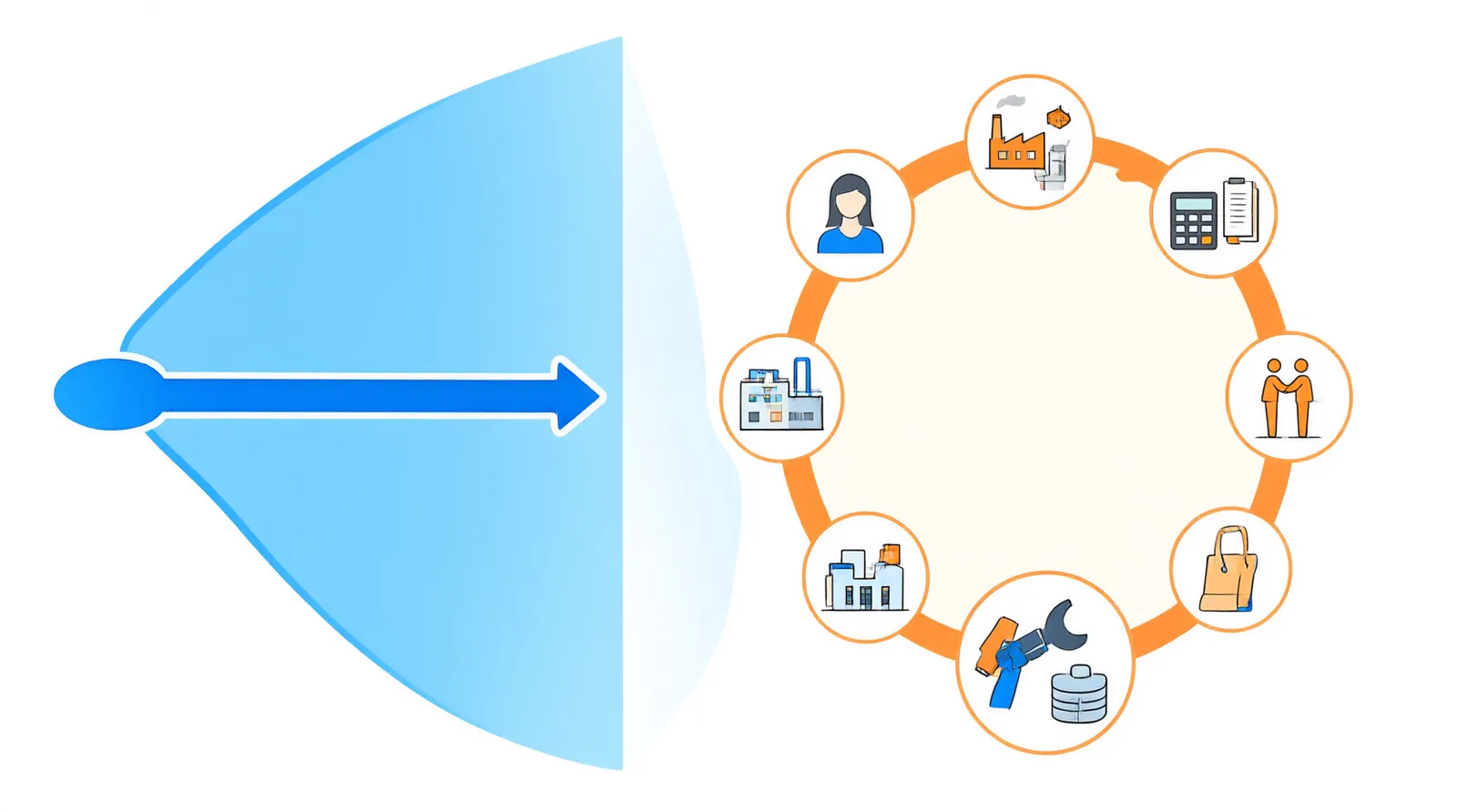
Side-by-Side Comparison Table
| Feature / Dimension | Wholesale Catalog Clothing (Traditional) | Link4a (Managed Sourcing) | ApparelCN (Direct Mfg) | LightInTheBox (App Catalog) | Facebook Groups (Social) |
|---|---|---|---|---|---|
| Inventory Accuracy | Low (static files go stale fast) | High (drafted from actual in-stock catalogue) | Medium (depends on update frequency) | High (real-time app database) | Variable (seller dependent) |
| MOQ Flexibility | Rigid (fixed catalog tiers) | Negotiable (partner negotiates on your behalf) | Negotiable (direct with factory) | Low (preset tiers/discounts) | High (often very low entry) |
| Quality Control | None provided | Managed (vetting & sample coordination) | Internal factory QC | Platform return policies | None / Buyer beware |
| Communication | Email / One-way | Multilingual, managed by partner | Direct with manufacturer | Automated / Support tickets | DMs / Comments |
| Customization | None (buy what is listed) | High (spec changes possible) | High (prototyping offered) | None | Rare |
| Best Buyer Profile | Legacy bulk importers | DTC brands, serious importers, creators | Buyers needing full manufacturing | Dropshippers, micro-boutiques | Hobbyists, ultra-small boutiques |
How to Pick the Right Alternative
Choosing a replacement for wholesale catalog clothing depends entirely on your operational maturity and volume. Use these scenarios to guide your decision.
Scenario 1: You are a DTC Store Owner or Online Creator scaling past 100 units/month. Stop relying on static spreadsheets. You need a managed sourcing partner like Link4a. Your focus should be on marketing and sales, not deciphering Mandarin factory emails or guessing if a PDF catalog reflects current floor stock. A partner who handles supplier shortlisting, factory vetting, and sample coordination frees you to build your brand. You wouldn't source plumbing supplies or construction doors without verifying the distributor; apply that same rigor to your apparel supply chain. Explore our breakdown of 7 Best Alternatives to a Wholesale Apparel Catalog for Buyers for more tactical steps.
Scenario 2: You are an Importer requiring full manufacturing control. If you are bringing in shipping containers of goods and need specific fabric blends or proprietary fits, direct manufacturers like ApparelCN are your best route. You need a partner with decades of factory experience who handles everything from material sourcing to global shipping. Ensure you request physical prototypes before authorizing bulk runs.
Scenario 3: You are a Boutique testing fast-fashion trends with low capital. If your strategy relies on rapid turnover and testing dozens of styles with minimal financial risk, digital-first platforms like LightInTheBox or curated social commerce groups offer the speed you need. Just accept that you sacrifice customization and deep margin control. Treat these as testing grounds, not long-term supply chains. Whether you are evaluating custom jewelry alternatives for commercial buyers or apparel options, the core principle remains the same: testing platforms should never be mistaken for scalable, long-term procurement infrastructure.
Scenario 4: You are a Chinese Factory Owner wanting global reach. If you manufacture wholesale catalog clothing but lack an export sales team, stop paying upfront for directory listings that generate zero leads. Look for commission-only managed storefronts. Platforms that build localized pages—in six languages with proper right-to-left formatting for Arabic—and conduct per-language keyword research instead of lazy English translations will drive actual global trade. Verify their claims: if a partner states they achieved top search rankings for your product pages, ask to see the published queries.

Conclusion
The era of running an apparel business by blindly trusting a downloaded wholesale catalog clothing spreadsheet is over. Whether you are importing basics or launching a premium DTC line, the alternative you choose dictates your margins, your defect rates, and your ability to scale. Marketplaces offer speed, direct manufacturers offer control, and managed sourcing partners offer operational leverage without the overhead of building an international procurement team.
Your next step shouldn't be downloading another static file. Identify which scenario above matches your current growth stage, define your exact MOQ requirements, and initiate contact with a partner who operates on verifiable results rather than catalog promises. If you are an overseas buyer, importer, or creator tired of gambling on marketplace listings, or a factory owner ready to sell globally without hiring an export team, request a quote, get current MOQ and pricing details, or request a sample by reaching out directly at https://link4a.com.