7 Best Alternatives to a Wholesale Clothing Catalog for Buyers
7 Best Alternatives to a Wholesale Clothing Catalog for Buyers
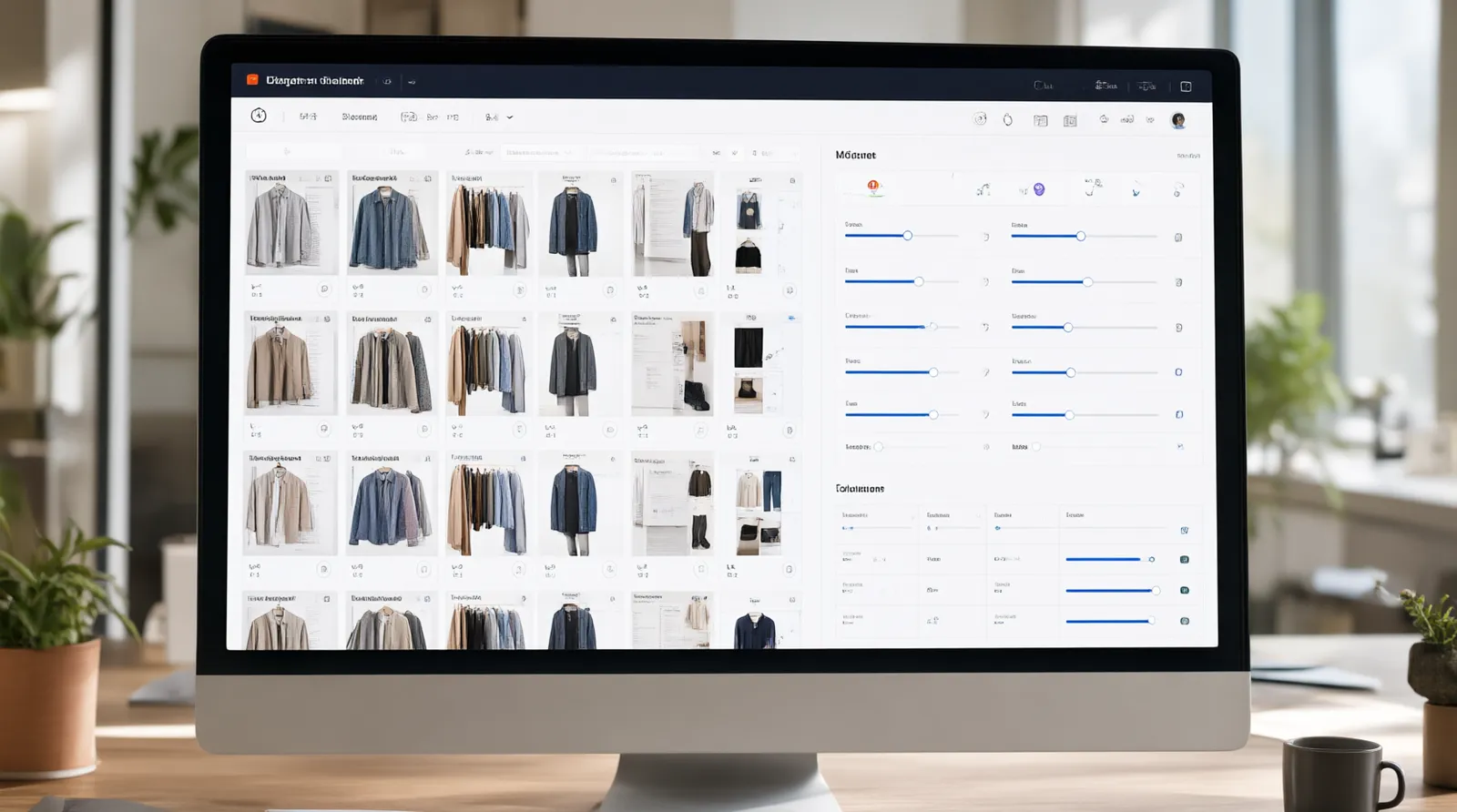
A wholesale clothing catalog is a static or digital list of garments offered by a manufacturer or distributor at bulk pricing. Buyers actively replacing their current sourcing lists typically do so because they have outgrown fixed minimum order quantities (MOQs), encountered inconsistent product availability, or need localized support that a generic PDF or marketplace listing cannot provide.
If you are sourcing apparel for a DTC store, an import business, or a creator-led brand, relying on a single static document often creates bottlenecks around pricing transparency, sample coordination, and repeat ordering. The alternatives below range from managed sourcing partnerships and B2B marketplaces to specialized fitness wear directories and social-commerce channels—each evaluated specifically against the limitations of standard printed or digital lists. For a deeper breakdown of how serious buyers evaluate these options at scale, see our guide on Wholesale Catalogs for Clothing: How Serious Buyers Source at Scale.
Why Look for Alternatives to a Wholesale Clothing Catalog?
Static catalogs lock you into whatever inventory a supplier had available when the document was published. If a factory in China runs out of a specific fabric blend or changes a zipper supplier, your printed or downloaded file becomes outdated overnight. You end up placing orders based on phantom stock, leading to delayed shipments and frustrated retail customers. This rigidity is especially painful for online creators and DTC store owners who need to test small batches before committing to volume. For a broader look at why buyers are moving away from traditional formats, explore these wholesale catalog clothing alternatives.
Pricing opacity is another friction point. A traditional list shows a unit price but rarely accounts for fluctuating raw material costs, tiered discounts for larger runs, or shipping variables across global trade routes. Buyers frequently discover that the listed price doesn't include export handling, customs duties, or quality inspection fees. When you source through unvetted distributors, you also risk paying a middleman markup without receiving any actual supply chain management in return.
Finally, communication barriers stall momentum. Many overseas buyers struggle to get timely responses from factories using English-only inquiries, while Chinese factory owners lack the export sales teams required to manage international storefronts. A standard document does nothing to bridge this gap. It leaves the buyer guessing about compliance certifications, production lead times, and whether the factory can actually handle repeat orders at the same quality level.
What to Look for in a Wholesale Clothing Catalog Alternative
When evaluating replacements, procurement teams should measure each option against concrete operational criteria rather than just browsing features. Use this checklist to vet your next sourcing channel:
- Dynamic Inventory Visibility: Does the alternative reflect real-time factory stock, or are you still looking at a static snapshot?
- Managed Communication: Is there a dedicated partner handling multilingual translation and negotiation, or are you messaging factories directly?
- Transparent MOQ Negotiation: Can you negotiate minimum order quantities down for initial sampling, or are you forced into bulk commitments immediately?
- Sample Coordination: Does the platform or partner physically manage the sampling process, including quality checks before the item ships to you?
- Localized SEO & Storefronts: If you are a factory owner replacing your own catalog distribution, does the alternative offer per-market keyword research and localized pages (e.g., Arabic right-to-left layouts)?
- Performance-Based Pricing: Are you paying upfront subscription fees, or is the service structured on commission only after an order closes?
- Verifiable Track Record: Can the provider prove their reach? (For example, Link4a’s verifiable ranking data shows that a sweep of 60 product pages on a client store found 17 ranking first on US Google and 31 in the top 10).
Top Alternatives to a Wholesale Clothing Catalog
1. Link4a (Managed Sourcing Partnership)
Best for: Overseas buyers, importers, and DTC store owners who want a dependable sourcing partner in China instead of gambling on a marketplace listing, as well as Chinese factory owners wanting overseas sales without hiring an export team.
Pricing: Commission-only entry for factories (nothing to pay before an order closes); custom quoting for buyers based on sourcing scope.
Key strengths:
- Replaces static lists with active supplier shortlisting, factory vetting, and direct MOQ and price negotiation tailored to your specific order size.
- Handles sample coordination, repeat ordering, and multilingual communication with the factory, removing the language barrier inherent in standard documents.
- Provides factories with a managed overseas storefront in six languages, featuring weekly SEO content per market and per-language keyword research instead of simply translating an English post.
- Drafts replies to buyers directly from the factory's actual in-stock catalogue, ensuring no phantom inventory issues.
Limitations / trade-offs:
- Requires an onboarding conversation to align on product specs and target margins; it is not a self-serve "click and buy" interface.
- Best suited for buyers ready to build a reliable supply chain rather than one-off, ultra-low-volume hobbyist purchases.
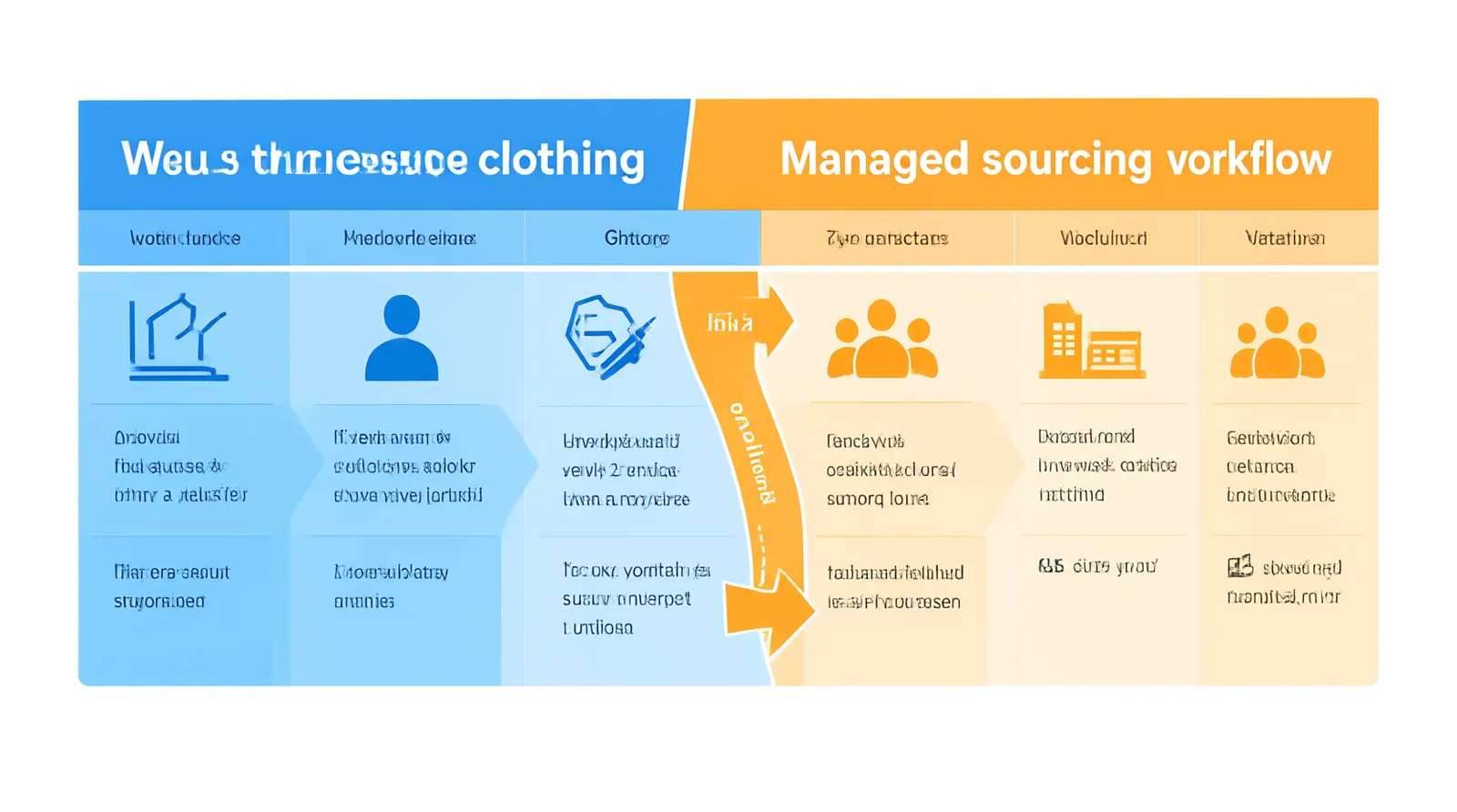
How it compares: A traditional sourcing document is passive; Link4a is an active operational tool. Instead of scrolling through a PDF hoping the listed items are still manufactured to spec, Link4a acts as your managed export operator. They verify the factory, negotiate the terms, and ensure the product matches your requirements before you commit capital. For factories, it replaces the costly process of printing and distributing physical catalogs globally with a digitally optimized, commission-based sales engine. To understand how this model shifts power back to the buyer, explore our breakdown of 7 Best Alternatives to a Wholesale Apparel Catalog for Buyers.
2. Faire (B2B Wholesale Marketplace)
Best for: Independent boutiques and small DTC brands looking for low-risk, net-60 payment terms on curated apparel.
Pricing: Free for retailers to browse; brands pay a commission on first-time orders and a smaller percentage on reorders.
Key strengths:
- Aggregates thousands of independent brands into a single searchable interface, eliminating the need to request individual files from dozens of suppliers.
- Offers built-in buyer protection and flexible payment terms (like Net 60), which static documents never provide.
- Allows filtering by specific values (e.g., eco-friendly, handmade) rather than relying on a distributor's pre-selected assortment.
Limitations / trade-offs:
- Prices are generally higher than direct-from-factory sourcing in China due to marketplace commissions and domestic manufacturing costs.
- Limited ability to customize garments or negotiate deep manufacturing-level MOQs compared to working with a sourcing partner.
How it compares: Faire digitizes the experience by turning static pages into an interactive marketplace. While a traditional list forces you to email a distributor and wait for a quote, Faire lets you add items to a cart instantly. However, if your goal is custom manufacturing or scaling imports directly from overseas factories, Faire functions more like a retail aggregator than a true supply chain replacement.
3. Gym Clothes (Specialized Fitness Wear Directory)
Best for: Fitness apparel retailers and gym owners needing activewear-specific sourcing.
Pricing: Varies by brand and order volume; requires account setup for wholesale tiers.
Key strengths:
- Focuses entirely on activewear, meaning the product taxonomy is already optimized for fitness buyers rather than buried in a general apparel list.
- Offers a catalog download for its wholesale fitness wear, giving buyers a structured starting point for specific niches.
- Geo-targeted routing helps connect buyers with relevant regional stockists.
Limitations / trade-offs:
- Strictly limited to fitness and activewear; useless if you are sourcing denim, formal wear, or fast fashion.
- Still relies heavily on the traditional download-and-email workflow rather than dynamic, real-time inventory syncing.
How it compares: Gym Clothes takes the standard directory model and narrows it to a highly profitable niche. By offering a downloadable file specifically for fitness wear, it saves buyers from sifting through irrelevant SKUs. Yet, it remains fundamentally a distribution method—you still receive a file, review it, and initiate contact manually, lacking the end-to-end managed negotiation that modern sourcing partners provide.
4. EcoStocklots (Surplus & Closeout Platform)
Best for: Discount retailers and liquidators hunting for below-cost surplus apparel.
Pricing: Highly variable; priced per lot based on surplus availability.
Key strengths:
- Provides access to overstock and canceled orders (such as bulk t-shirts and tops) at prices far below standard bulk rates.
- Ideal for buyers whose primary competitive advantage is price rather than consistent, long-term style curation.
- Updates frequently based on what factories need to clear out immediately.
Limitations / trade-offs:
- Inventory is inherently unpredictable; you cannot reorder the exact same lot next season.
- Quality control varies wildly since you are buying canceled or surplus goods rather than commissioning a production run.
How it compares: A standard directory represents planned, ongoing production. EcoStocklots represents the opposite: unplanned surplus. If you rely on fixed lists for consistent replenishment, this platform will frustrate you. But if you are replacing your current sourcing method because you need cheaper margins on basic items like blank tees, surplus lots offer immediate cost advantages that no printed document can match.
5. NOVA MIAMI (Social Commerce / WhatsApp Sourcing)
Best for: Fast-fashion buyers and Instagram-native brands accustomed to conversational commerce.
Pricing: Quoted directly via chat based on current inventory.
Key strengths:
- Eliminates the lag time of downloading files; buyers simply send a message via WhatsApp using the link in their bio to access the wholesale catalog.
- Highly responsive to trending styles, updating offerings faster than a printed or even standard digital cycle allows.
- Creates a direct, personal line of communication with the distributor.
Limitations / trade-offs:
- Lacks enterprise-grade procurement tools; tracking past orders, generating purchase orders, and managing returns through a chat app is cumbersome at scale.
- High risk of miscommunication regarding sizing, fabric weight, or compliance standards without a formalized vetting process.
How it compares: NOVA MIAMI turns sourcing into a live conversation. Instead of reviewing a static document, you interact with a human who guides you through current stock via WhatsApp. While this speeds up discovery for trend-heavy buyers, it completely lacks the structural safeguards—like verified factory audits or standardized MOQ negotiations—that protect larger importers.
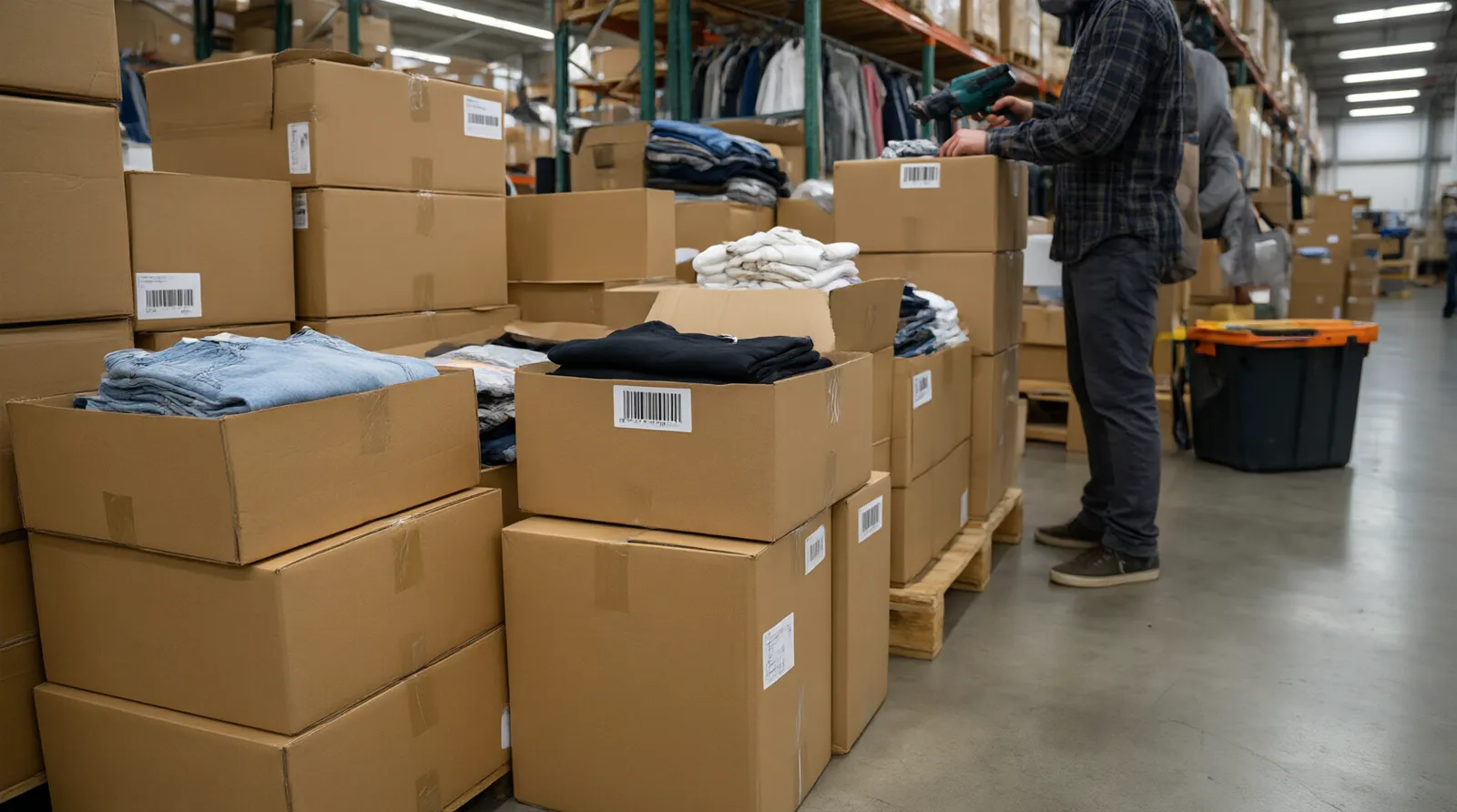
6. Alibaba (Direct Factory Marketplace)
Best for: High-volume importers willing to conduct their own supplier due diligence.
Pricing: Free to search; pricing negotiated directly with factories. Trade Assurance fees may apply.
Key strengths:
- Connects you directly with thousands of manufacturers in China, bypassing the domestic distributors who usually compile bulk lists.
- Offers Trade Assurance to protect payments until delivery is confirmed.
- Allows for deep customization (OEM/ODM) that a pre-made directory simply cannot accommodate.
Limitations / trade-offs:
- Places the entire burden of factory vetting, quality inspection, and communication on the buyer.
- High incidence of trading companies posing as direct factories, leading to unexpected markups.
How it compares: Alibaba is where many buyers go when they realize a local distributor's list is too expensive or limited. It offers infinite scale but zero hand-holding. Where a managed alternative provides vetted suppliers, Alibaba requires you to act as your own quality control department. It is a powerful tool, but it is a directory, not a partner. If you prefer platforms that take verification seriously, review these wholesale clothing catalogs that actively vet Chinese factories before connecting them with buyers.
7. Global Sources (Verified Trade Platform)
Best for: Enterprise buyers and builders of large retail chains prioritizing compliance and verified manufacturing.
Pricing: Free for buyers to browse; premium supplier memberships dictate visibility.
Key strengths:
- Focuses heavily on pre-verified suppliers and audited factories, reducing the risk associated with unvetted listings.
- Integrates deeply with physical trade shows, allowing buyers to touch fabrics before committing to a bulk order.
- Stronger focus on export-ready manufacturers familiar with global trade compliance.
Limitations / trade-offs:
- Tends to skew toward larger MOQs, making it less accessible for emerging DTC brands.
- The interface is geared toward traditional B2B procurement rather than modern, fast-paced e-commerce workflows.
How it compares: Global Sources upgrades the trust factor of standard sourcing methods. Instead of taking a distributor's word for their manufacturing capabilities, you access suppliers who have undergone third-party audits. It replaces guesswork with verified data, though it demands a higher level of procurement sophistication from the buyer.
Side-by-Side Comparison Table
| Feature / Dimension | Link4a | Faire | Gym Clothes | EcoStocklots | NOVA MIAMI | Alibaba | Global Sources |
|---|---|---|---|---|---|---|---|
| Inventory Accuracy | Real-time from actual in-stock catalogue | Live marketplace | Downloadable file | Surplus lots updated frequently | Live via chat inquiry | Live but unverified | Verified supplier listings |
| MOQ Flexibility | Negotiated per order by partner | Low / Brand set | Varies by brand | Priced per lot | Quoted via chat | High, but requires haggling | Skews toward larger MOQs |
| Factory Vetting | Managed shortlisting & vetting | Platform-curated | Niche-focused | Unvetted surplus | Informal | Buyer's responsibility | Pre-verified & audited |
| Multilingual Support | 6 locales, native keyword research | English dominant | English dominant | English dominant | Chat-based (often Spanish/English) | Auto-translate (often poor) | English dominant, trade show support |
| Pricing Model | Commission on closed orders (factories) | Commission on sales | Wholesale tiers | Per-lot pricing | Quoted directly | Direct negotiation | Free to browse / Premium for suppliers |
| Sample Coordination | Handled by sourcing partner | Buy at retail/wholesale | Buyer arranges | Not applicable (surplus) | Arranged via chat | Buyer pays & arranges | Often handled at trade shows |
How to Pick the Right Alternative
Choosing a replacement for your current sourcing method depends entirely on your operational maturity and goals.
If you are a DTC store owner or online creator scaling imports from China: Stop relying on static PDFs or gambling on unvetted marketplace listings. Your primary risks are quality inconsistency and communication delays. A managed sourcing partner like Link4a replaces the catalog with an active relationship. They shortlist factories, check them, negotiate your MOQ and price, coordinate samples, and handle repeat orders. You get the benefits of direct China manufacturing without needing to hire a bilingual procurement team.
If you are a boutique retailer testing local or indie brands: You don't need a factory in Shenzhen yet; you need fast shipping and low financial risk. Marketplaces like Faire replace the traditional catalog by letting you buy small quantities with favorable payment terms. You sacrifice the absolute lowest unit price, but you gain agility and buyer protection.
If you are a discount retailer moving high volumes of basics: Your priority is margin. Surplus platforms like EcoStocklots or direct factory negotiations on Alibaba serve you better than a curated list. You must be prepared to handle your own quality assurance, but the cost-per-unit drops significantly.
If you are a Chinese factory owner trying to sell overseas: Printing a document and hoping foreign buyers find it is an outdated strategy. You need a managed overseas storefront. Link4a builds localized pages in six languages—including Arabic laid out right to left—with weekly SEO content per market. Crucially, buyer conversations are handled on your behalf using your actual in-stock catalogue, and you only pay a commission on closed orders. There is nothing to pay before revenue is generated. For more on how this drives international revenue, read Wholesale Apparel Catalogs: How China Sourcing Partners Drive Global Sales.
Just as builders rely on precise blueprints rather than rough sketches, and distributors of industrial goods—from plumbing fixtures to windows, doors, and every specialized tool required for construction—demand exact specifications from their suppliers, apparel buyers must demand precision from their sourcing channels. A generic list fails to provide the exactitude required for modern global trade.
Conclusion
The era of flipping through a static wholesale clothing catalog and blindly trusting the listed prices and availability is over. For independent boutiques testing new lines, platforms like Faire or Gym Clothes offer immediate, low-risk access to inventory. For liquidators chasing margin, EcoStocklots provides the surplus volume necessary to compete on price. Conversational channels like NOVA MIAMI serve trend-focused buyers who prioritize speed over structure, while Global Sources anchors enterprise procurement with verified factory data.
But for serious importers, DTC founders, and overseas buyers building a scalable brand, the most effective alternative is a managed sourcing partnership. Relying on a document means you are always reacting to old information. Partnering with a team that actively vets factories, negotiates terms, and manages samples means you are driving your supply chain rather than being dragged by it.
If you are ready to replace your static catalog with a dynamic, vetted sourcing pipeline, or if you are a factory owner looking to sell overseas without upfront marketing costs, request a consultation today. Visit Link4a.com to get MOQ and pricing details, request a sample coordination plan, or set up your managed overseas storefront.