How to Source Wholesale Jewelry: The Ultimate Buyer's Guide
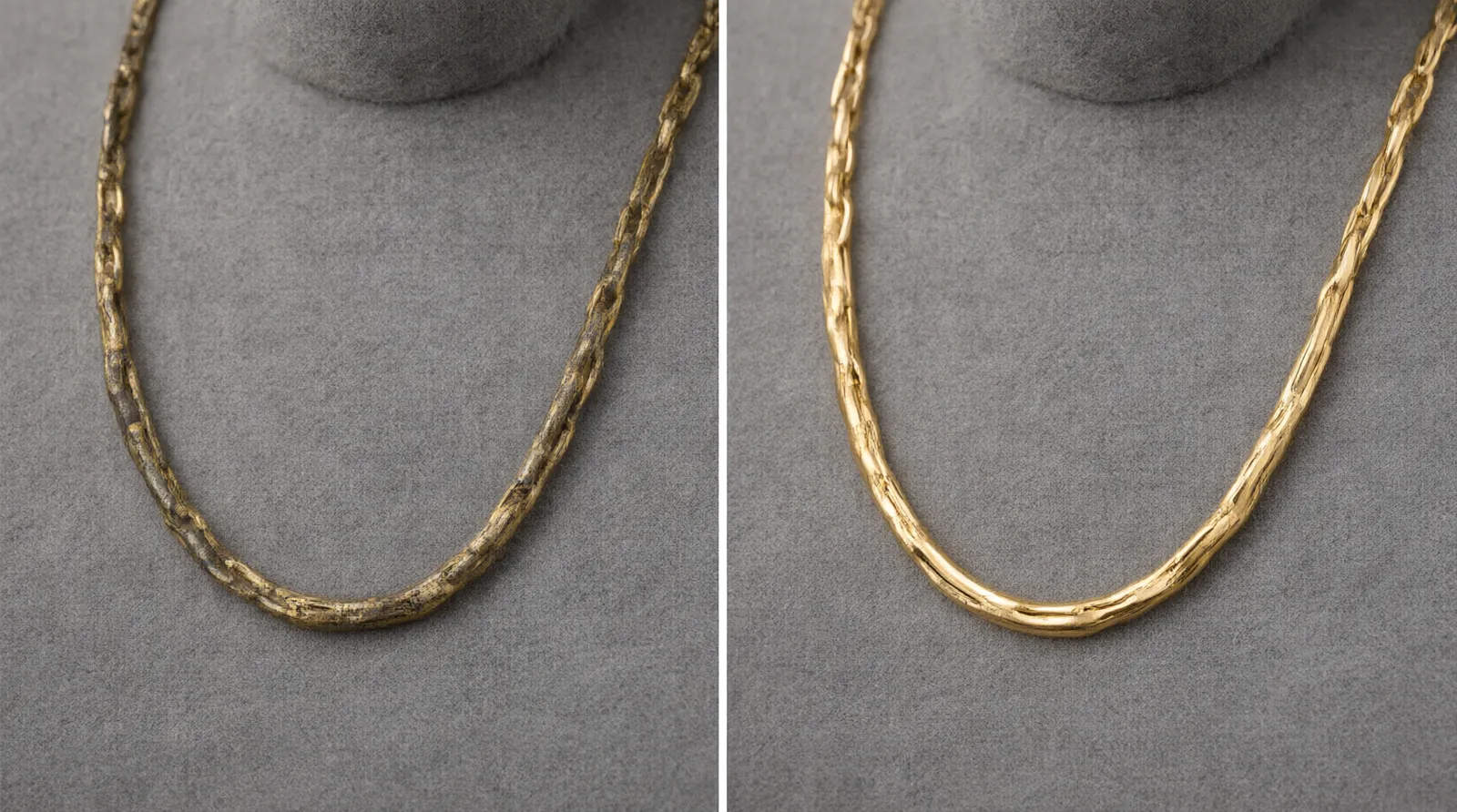
How to Source Wholesale Jewelry: The Ultimate Buyer's Guide
Buying jewelry at wholesale requires verifying metal purity, confirming plating thickness, locking in minimum order quantities (MOQs), and validating a factory's production capacity before you wire any money. A single unvetted supplier can cost an importer thousands of dollars in returned inventory, customs seizures, or chargebacks from dissatisfied retail customers. This guide provides the exact decision frameworks, checklists, and evaluation criteria overseas buyers, DTC store owners, and online creators need to source jewelry profitably and safely from China.
Who this guide is for
This guide is built for purchase-ready importers, DTC brand owners, and online creators who are actively sourcing jewelry to sell through their own storefronts or marketplaces. You might be expanding your catalogue beyond fast fashion into demi-fine pieces, replacing an unreliable vendor on Alibaba whose last shipment arrived with tarnished clasps, or launching a private-label line that competes with established names like pandoras, kendra scott, or david yurman. If your immediate trigger is needing 500 units of gold-plated brass chains by next month, or trying to figure out how to manufacture custom permanent jewelry links without gambling on an unverified marketplace listing, this framework will dictate exactly what to evaluate and who to trust. It also applies to Chinese factory owners looking to move catalogues overseas without building an internal export sales team. For additional strategies, explore our complete jewellery wholesale buyer's guide.
What jewelry actually does for your business
Jewelry serves as a high-margin anchor category for e-commerce stores and brick-and-mortar boutiques alike. Unlike apparel, which suffers from high return rates due to sizing issues, accessories like rings, necklaces, and bracelets offer standardized sizing and lower reverse-logistics costs. For a DTC brand, introducing a tiered jewelry line—ranging from affordable stainless steel fashion pieces to luxury 14k solid gold staples—increases average order value (AOV) and drives repeat purchases. Buyers aren't just purchasing metal and stones; they are buying into brand identity. Whether you are stocking men's tungsten bands, layering chains inspired by current trends, or specialized components for permanent jewelry welding studios, the physical product must align precisely with the quality expectations set by your marketing. Sourcing it correctly means the difference between a 60% gross margin and a warehouse full of unsellable, oxidized inventory.
Key decision factors
Evaluating a jewelry supplier goes far beyond comparing unit prices on a spreadsheet. Use these eight factors to build your procurement scorecard.
Material Integrity and Metal Purity
The base metal and plating thickness dictate your product's lifespan and your brand's reputation. When sourcing gold vermeil, industry standards typically require a sterling silver (.925) base with a minimum of 2.5 microns of gold plating. "Good" looks like a supplier who provides third-party assay reports or X-ray fluorescence (XRF) testing certificates proving their metal claims. If a factory promises 18k gold plating but refuses to specify the micron thickness or the base alloy, walk away. For affordable fashion jewelry, verify whether the brass is lead-free and nickel-free, especially if you are selling into markets with strict consumer safety regulations like the EU or California.
Minimum Order Quantity (MOQ) and Pricing Models
Your MOQ determines your cash flow risk. Many Chinese factories demand MOQs of 1,000+ units per SKU for custom designs, which is prohibitive for DTC brands testing new styles. A strong sourcing partner negotiates these numbers down. Look for suppliers willing to offer tiered pricing—for example, one price for 100 units and a better unit economics breakdown at 500 units. "Good" looks like transparent pricing where tooling costs for custom molds are separated from per-unit production costs, allowing you to amortize the setup fee accurately across your order volume.
Production Capacity and Lead Times
A factory that produces beautiful samples but cannot scale to meet your Q4 holiday demand is a liability. Evaluate their machinery, workforce size, and historical output. If you are ordering custom men's signet rings or intricate chain links, ask for their daily production rate per worker or machine. Standard lead times for jewelry manufacturing often range from 15 to 45 days post-sample approval, depending on complexity. "Good" looks like a supplier who builds buffer time into their delivery schedule and communicates delays proactively rather than after the shipping date has passed.
Quality Assurance (QA) and Defect Rates
Jewelry is highly susceptible to cosmetic defects: uneven plating, misaligned stone settings, weak jump rings, and faulty clasp mechanisms. Ask potential vendors for their Acceptable Quality Limit (AQL) standard. An AQL of 2.5 for major defects and 4.0 for minor defects is common in consumer goods. "Good" looks like a factory that conducts inline inspections during production, not just a final random check before packing. They should provide photographic evidence of their QA process and accept financial penalties in the contract for defect rates exceeding the agreed AQL.
Compliance and Certifications
Selling jewelry internationally requires adherence to chemical and safety regulations. The EU’s REACH regulation strictly limits cadmium, lead, and nickel release. California’s Proposition 65 requires specific warnings if heavy metals are present. "Good" looks like a manufacturer holding ISO 9001 certification for quality management and providing SGS, Intertek, or TÜV test reports for their raw materials. Never rely solely on a factory's verbal assurance that their products are "hypoallergenic" or "compliant."
Customization and Private Label Capabilities
If you are building a brand rather than reselling generic stock, the factory must support CAD design, 3D printing for mold making, laser engraving, and custom packaging. Evaluate their engineering team's ability to translate your 2D sketches into manufacturable 3D models. "Good" looks like a vendor who pushes back on designs that will fail in production—such as a prong setting too thin to hold a stone securely—rather than blindly manufacturing a flawed piece just to collect your payment.
Communication and Multilingual Support
Time zone differences and language barriers cause costly errors in jewelry specifications. A miscommunication about "gold-filled" versus "gold-plated" can ruin an entire production run. "Good" looks like working with a managed sourcing partner, such as Link4a, where multilingual communication is handled on your behalf. Instead of relying on broken English via chat apps, a dedicated partner drafts replies based on the factory's actual in-stock catalogue and manages negotiations, sample coordination, and repeat orders in your native language.
Vendor Stability and Track Record
A factory that has been operating for ten years with stable export records is inherently less risky than a newly registered trading company. Verify their business license, export history, and physical address. "Good" looks like a supplier who allows third-party factory audits or video walkthroughs of their production floor, proving they are the actual manufacturer and not a middleman marking up prices from another facility.
Budget tiers
Pricing varies wildly based on materials, order volume, and customization. Below is a framework for categorizing your procurement budget when sourcing wholesale jewelry from China. Request specific quotes based on your exact designs.
| Tier | Typical Unit Cost Range (Estimate) | Target Buyer Profile | What You Get |
|---|---|---|---|
| Entry / Fast Fashion | $1 – $5 per unit | Dropshippers, TikTok Shop creators, promotional gift buyers | Base metals (brass, zinc alloy, stainless steel), thin flash plating, generic open-mold designs, higher MOQs (often 500+), minimal custom packaging. Suitable for trendy, short-lifecycle items. |
| Mid-Market / Demi-Fine | $8 – $35 per unit | DTC brand owners, independent boutiques, subscription box curators | Sterling silver (.925), gold vermeil (2-3 microns), semi-precious stones, cubic zirconia, custom CAD designs, lower negotiated MOQs (e.g., 100-300 units), branded packaging options. Competes with mid-tier retail brands. |
| Enterprise / Luxury | $50 – $500+ per unit | Established fine jewelry houses, high-end retailers, bespoke bridal brands | Solid 10k/14k/18k gold, platinum, lab-grown or natural diamonds, precision casting, hand-setting, rigorous multi-stage QA, low MOQs for high-value items, full IP protection agreements. |
| Managed Sourcing Fee | Commission-based or retainer | All tiers utilizing partners like Link4a | Factory shortlisting, vetting, price/MOQ negotiation, sample coordination, multilingual communication, and logistics handling. Eliminates the cost of hiring an internal procurement team. |
Note: Always request current pricing directly from your sourcing partner or factory, as raw material costs for gold and silver fluctuate daily on global commodities markets.
Red flags to avoid
Do not proceed with a transaction if you encounter any of the following warning signs during your vendor evaluation:
- Refusal to send pre-production samples: If a factory demands full payment for a bulk order before allowing you to approve a physical prototype, you have zero leverage if the final batch is defective.
- Unverifiable certifications: Suppliers who claim REACH compliance or ISO certification but cannot produce a valid certificate number for you to cross-reference with the issuing body (like SGS or TÜV).
- Bait-and-switch pricing: Quotes that seem impossibly low compared to the rest of the market, often achieved by swapping specified materials (e.g., using copper instead of .925 silver) once the deposit is paid.
- No physical factory address or audit refusal: Trading companies posing as manufacturers. If they refuse a virtual tour or a third-party inspection of their claimed production facility, they are likely outsourcing your order to the lowest bidder.
- Demanding 100% upfront payment via irreversible methods: Standard terms involve a deposit (often 30%) and a balance paid against shipping documents or after a pre-shipment inspection. Wire transfers to personal bank accounts instead of corporate ones are a major red flag.
- Vague answers regarding defect policies: If the supplier cannot clearly articulate their policy for replacing or refunding goods that fail your agreed-upon AQL inspection, assume you will eat the cost of defective units.
- Ignoring intellectual property concerns: Factories that casually display other Western brands' proprietary designs in their showroom or catalogue may not protect your custom tooling from being sold to your competitors.
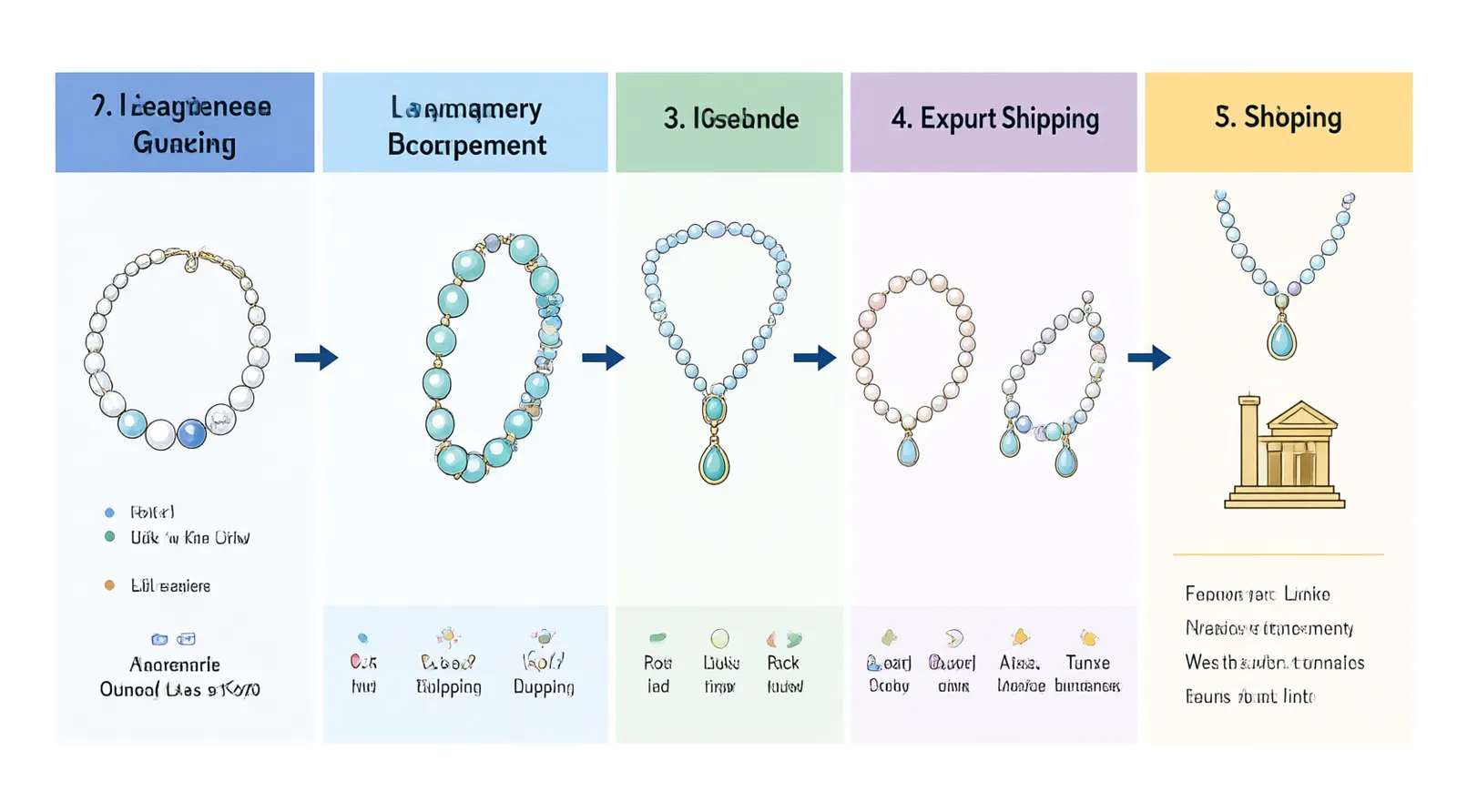
Buying process checklist
Follow this sequential framework to move from identifying your product needs to receiving compliant, high-quality inventory.
- Define Requirements: Document exact specifications including base metal, plating type and micron thickness, stone dimensions, clasp mechanisms, target unit cost, and required delivery date. Determine if you need components (like chains for permanent jewelry welding) or finished retail pieces.
- Shortlist Vendors: Identify 5 to 10 potential factories. Instead of scrolling through unvetted marketplace listings, engage a sourcing partner like Link4a to shortlist factories based on your specific jewelry category (e.g., specialists in men's casting vs. delicate chain soldering).
- Request Initial Quotes & Verify: Send your spec sheet to the shortlisted vendors. Compare their pricing, proposed MOQs, and lead times. Simultaneously, verify their business licenses and request past client references.
- Order Prototypes/Samples: Pay for samples from your top 2-3 choices. Do not skip this step. Evaluate the samples for weight, finish, clasp tension, and overall craftsmanship against your spec sheet.
- Conduct Pre-Production Approval: Once a sample is approved, sign off on a "golden sample." This exact piece becomes the benchmark for the entire production run. Lock in the final price and MOQ based on this approved prototype.
- Negotiate Contract & Terms: Draft a purchase order or manufacturing agreement detailing the AQL standards, penalty clauses for late delivery or defects, payment milestones, and Incoterms (e.g., FOB, EXW, DDP).
- Initiate Production & Inline Inspection: Pay the agreed deposit. For large orders, hire a third-party inspector or use your sourcing partner to conduct a "during production" (DUPRO) inspection when 20-30% of the goods are finished, catching errors early.
- Pre-Shipment Inspection (PSI): Before paying the final balance, conduct a random sampling inspection of the finished, packed goods to ensure they match the golden sample and pass your AQL thresholds.
- Coordinate Logistics & Customs: Arrange freight forwarding. Ensure all commercial invoices, packing lists, and necessary compliance documents (like REACH test reports) accompany the shipment to prevent customs holds.
- Receive & Audit: Upon arrival, perform a receiving audit. Count cartons, check for transit damage, and pull a random sample to verify the goods still match the approved PSI report.
Questions to ask vendors
Copy these questions into your supplier inquiry template. Their willingness and ability to answer them accurately will separate professional manufacturers from risky amateurs.
- What is your standard MOQ for custom designs versus your existing open-mold catalogue?
- Can you provide recent SGS, Intertek, or TÜV test reports proving your materials meet [Target Market, e.g., EU REACH] standards for lead, cadmium, and nickel release?
- What specific base alloys do you use for your gold-plated lines, and what is the guaranteed micron thickness of the plating?
- How do you handle electroplating waste, and do you hold environmental compliance certifications for your facility?
- What is your documented procedure and financial responsibility if a production batch fails our agreed AQL inspection?
- Do you offer CAD design and 3D prototyping services in-house, or is that outsourced?
- What is your standard lead time from golden sample approval to goods being ready for ex-factory pickup?
- Can we arrange a live video walkthrough of your casting, polishing, and plating departments this week?
- How do you protect our custom molds and intellectual property from being shown to other buyers?
- Are you the direct manufacturer, or are you a trading company representing a factory? (Ask for the factory's business license to verify).
- What payment terms do you accept for repeat orders after the first successful transaction?
- If we are sourcing specialized items, like links for permanent jewelry welding or heavy men's chains, can you provide examples of similar technical work you have completed?
Recommended next steps
Sourcing jewelry internationally introduces variables—metal purity, plating longevity, customs compliance—that cannot be resolved by simply clicking "buy now" on a B2B marketplace. The brands that scale successfully treat procurement as a verifiable system, not a gamble.
Stop spending hours filtering through unvetted factory listings and risking capital on suppliers you haven't physically verified. Partner with a managed export operator who handles the friction. Link4a shortlists factories, checks them, negotiates your MOQ and price, coordinates your samples, and handles repeat orders so you don't have to manage the communication gap yourself. For factory owners reading this, Link4a operates on a commission-only model—you pay nothing before an order closes—and builds managed overseas storefronts in six languages, complete with localized SEO content and buyer conversations drafted directly from your actual in-stock catalogue.
Take the next concrete step in securing your supply chain. Go to https://link4a.com to request a quote, get current MOQ and pricing parameters for your specific jewelry designs, or initiate a sample coordination for your next collection.