Wholesale Suppliers in USA: The Complete 2026 Buyer's Guide
Wholesale Suppliers in USA: The Complete 2026 Buyer's Guide
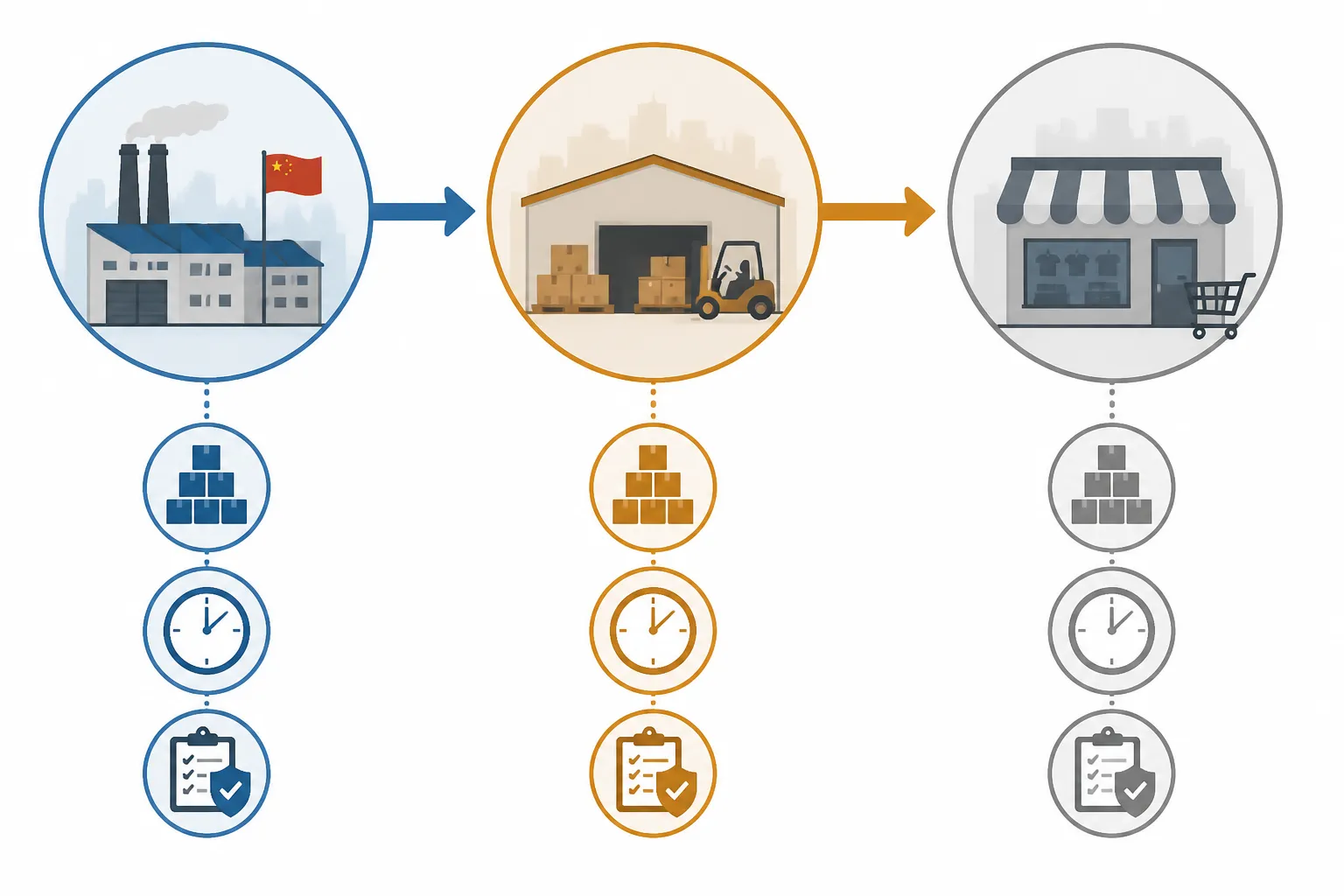
The US wholesale market covers virtually every product category imaginable — from plumbing fixtures and windows to consumer electronics, apparel, and industrial components. Choosing the right wholesale suppliers in USA determines your margins before you sell a single unit, which is why getting the evaluation criteria right from the start matters more than finding the cheapest price.
Wholesale Suppliers in USA — Market Overview
The United States is the world's largest import market, and its domestic wholesale infrastructure reflects that scale. Industry estimates suggest tens of thousands of registered distributors operate across all 50 states, serving retailers, e-commerce sellers, contractors, builders, and institutional buyers alike. Demand is driven by a mix of consumer purchasing power, a deeply established retail culture, and a growing DTC and marketplace-seller ecosystem that constantly needs replenishable inventory at competitive prices.
Buyer profiles vary significantly. Small boutique owners might be sourcing seasonal apparel or wholesale jewelry through platforms like Faire, which offers Net 60 payment terms and free returns on first orders. Amazon FBA sellers and DollarDays customers are typically chasing volume at the lowest landed cost. Then there are trade buyers — contractors sourcing doors, windows, and plumbing supply in bulk — who deal directly with regional distributors rather than platforms.
A third and growing segment: overseas-facing brands and Chinese factory owners entering the US market directly. Global trade dynamics have shifted enough that many OEM/ODM manufacturers now bypass traditional import brokers entirely. They're building direct wholesale channels targeting US retailers, TikTok shop operators, and regional distributors — and they need the infrastructure to manage that without a US office on day one.
What's Specific About the USA Wholesale Environment
The regulatory landscape for wholesale trade in the US is layered but navigable. At the federal level, the Federal Trade Commission (FTC) governs unfair trade practices, labeling requirements, and warranty disclosures. Product categories carry their own compliance requirements: electronics need FCC certification, children's products fall under CPSC jurisdiction, and food or cosmetic goods require FDA registration. Plumbing and building materials (including windows and doors) must meet state and local building codes, which vary meaningfully — California's Title 24 energy standards, for example, impose stricter window insulation requirements than most other states.
Payment terms in the US follow recognizable B2B conventions. Net 30 is the default for established relationships; Faire's Net 60 is unusually generous and part of why it's popular with indie boutiques. Credit cards are widely accepted for smaller wholesale orders, though ACH transfers are preferred for larger transactions due to lower processing fees. Wire transfers remain common for international suppliers, and trade credit is increasingly offered via embedded financing tools built into B2B platforms.
Business norms worth knowing: Americans expect fast responses. If a supplier takes more than 24 hours to reply to an inquiry, a US buyer will often move on. Clear, direct communication in English is expected — vague pricing, unclear lead times, or inconsistent product specifications erode trust quickly. Cultural norms around contracts also differ from Chinese trade relationships: verbal agreements carry almost no legal weight, and buyers expect written quotes, purchase orders, and confirmed terms before committing funds.
How to Choose a Wholesale Supplier in USA
Evaluation criteria depend heavily on your business model, but several dimensions apply across the board.
Minimum Order Quantity (MOQ). According to WizCommerce's 2026 supplier guide, minimum orders among leading US wholesale platforms start as low as $250. That's the floor — but for direct factory relationships or specialized industrial categories, MOQs can run tens of thousands of dollars. Before entering any sourcing conversation, know your inventory budget and demand forecast. Committing to the wrong MOQ, as the guide notes, results in cash sitting in storage.
On-the-ground presence and time-zone coverage. A supplier based in China or Europe with no US warehouse or customer support in Eastern/Pacific time creates friction at every reorder. For trade categories like plumbing or building materials — where contractors need parts on short notice — local distribution matters enormously.
Certifications and compliance. Ask explicitly which certifications a supplier holds for your product category. UL listings for electrical products, NSF certification for plumbing components, ANSI/BHMA standards for doors and hardware — these aren't optional for commercial buyers. A supplier who can't produce documentation on request is a liability.
Reliability track record. Request references from US-based buyers. Check for patterns of late shipments, substituted SKUs, or quality inconsistencies. Sample orders exist precisely for this reason — skipping samples to save time can lead to bulk shipment return problems that dwarf the cost of the sample itself.
For sourcing teams that want to compare multiple suppliers at speed, Link4a's Match engine connects buyers with verified Chinese manufacturers in an average of 3 seconds — filtering by category, certifications, and production capacity rather than requiring manual RFQ rounds.
Pricing in USA
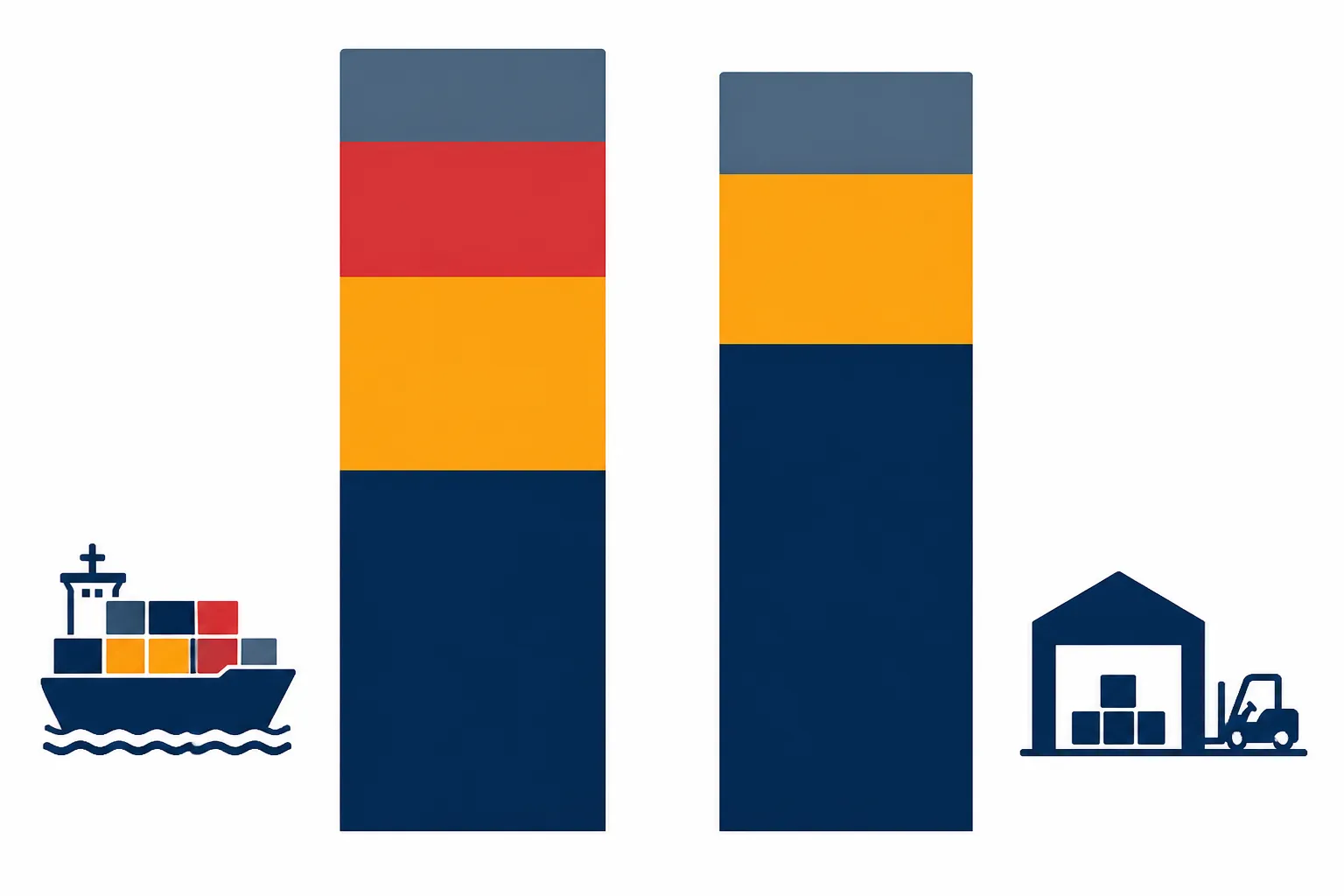
Wholesale pricing in the US is quoted in USD and typically structured around tiered volume breaks. Entry-level wholesale — the kind available through platforms like DollarDays or Wholesale Central — typically offers meaningful discounts below MSRP. Direct factory relationships, particularly with manufacturers in China, can push margins wider, but the landed cost calculation (factory price + freight + customs duty + last-mile) needs to be run carefully before assuming savings.
Tariffs are a live variable. Section 301 tariffs on Chinese goods (ranging from 7.5% to 25% depending on HTS code, as of the time of this writing) affect a wide range of categories from electronics to furniture — but these rates are subject to executive action, exclusion rounds, and escalation, so buyers should verify current rates before finalizing any pricing model. Buyers sourcing from China should run an HTS classification check before finalizing pricing models — what looks like an attractive factory price can be significantly less attractive after duty.
For domestic US wholesale, pricing is relatively predictable. Essendant and similar broad-line distributors publish tiered pricing sheets. Specialty distributors in building trades (windows, doors, plumbing) typically negotiate pricing based on annual volume commitments. Payment terms directly affect effective pricing: Net 60 from a supplier like Faire is worth real money compared to cash-on-delivery from a smaller importer.
Common Challenges for Buyers in USA
Logistics and Fulfillment Complexity
The US is large, and freight costs vary significantly by origin and destination. A pallet shipped from a Los Angeles port warehouse to a retailer in Miami costs more than the same pallet delivered regionally. For buyers building national distribution, understanding regional distributor networks versus direct shipping economics is critical. Freight costs remain a material margin factor for bulky categories like plumbing, windows, and doors, and should be modeled carefully before committing to pricing.
Regulatory Compliance Gaps
Many small importers discover compliance requirements after the fact — when a product gets held at customs, flagged by a state inspector, or rejected by a retail chain's vendor compliance team. The safest approach is to map compliance requirements before sourcing begins, not after. For categories with state-level variation (building materials, electronics with energy efficiency ratings), build state-specific compliance into your sourcing checklist.
Supplier Reliability and Quality Consistency
Even established wholesale platforms can have inconsistent quality across SKUs. Buyers running Amazon FBA operations are particularly exposed: a batch of returns triggered by a product defect can suspend a listing. For first-time relationships with any supplier — domestic or international — start with a sample order and run it through whatever QC process your category requires. For buyers sourcing from China, third-party inspection services operating in major manufacturing regions can verify quality before goods ship.
Language and Communication Barriers
For Chinese factory owners trying to reach US distributors and trade buyers directly — a growing segment as global trade infrastructure improves — English-language communication is the primary friction point. Link4a's Inbox product addresses this with 24/7 multilingual AI inquiry handling, so factory-side teams never lose a US buyer inquiry to a time-zone or language gap.
Marketing and Visibility for New Suppliers
Getting in front of US wholesale buyers requires more than a product listing. Established distributors have buyer relationships built over years. New entrants — whether US-based or international — need a trade marketing and SEO strategy to drive inbound inquiries. Link4a's Reach product runs omni-channel content, SEO, and outbound lead-mining in a single loop, which is how the 300+ factories on the platform are generating verifiable US buyer traffic without a traditional marketing team.
For a broader look at procurement tools and sourcing infrastructure, The B2B Purchasing Process Explained: 6 Tools & Resources for Sourcing Buyers in 2026 covers the full buyer-side toolkit in detail.
Frequently Asked Questions (USA-Specific)
What are the best wholesale suppliers in the USA in 2026? According to WizCommerce's updated supplier guide, the top 10 wholesale suppliers in 2026 are Faire, Wholesale Central, Costco Wholesale, DollarDays, Thomas, Kole Imports, Blue Star Empire, Essendant, SaleHoo, and All Time Trading. They collectively cover major categories from home goods and apparel to electronics and industrial supply.
What is a typical minimum order quantity with US wholesale suppliers? It varies widely. Some platforms have minimums starting at $250. Direct distributor relationships — particularly in trade categories like plumbing, windows, or building materials — often require larger volume commitments. Always confirm MOQ, payment terms, and shipping costs before calculating your margin, since these three variables determine profitability before a single unit is sold.
Do US wholesale suppliers work with international or Chinese sellers? Yes, though the relationship structure differs. Some platforms (Faire, Wholesale Central) are designed for US-based brands. Direct distributor and retail buyer relationships are accessible to international suppliers if they can meet US compliance requirements, ship to US addresses, and communicate reliably in English. Platforms like Link4a's Match engine are specifically built to connect verified Chinese manufacturers with US buyer channels.
What payment terms should I expect? Net 30 is standard for established trade relationships. Faire offers Net 60 on qualifying orders. Smaller or first-time orders typically require upfront payment or credit card. As relationships develop, most distributors are willing to extend trade credit.
Are there import duties on goods sourced from China? Yes. Section 301 tariffs apply to a wide range of Chinese-manufactured goods, with rates that have historically ranged between 7.5% and 25% depending on the product's Harmonized Tariff Schedule (HTS) code — though rates are subject to executive action and should be verified against current USTR guidance before finalizing any cost model. Run an HTS classification before finalizing any China-sourced landed cost model. Some product categories have tariff exclusions or reduced rates under specific trade agreements — check the USTR's current exclusion list.
What certifications do US buyers require from wholesale suppliers? Category-dependent. Electronics: FCC certification. Plumbing components: NSF/ANSI certifications for water contact materials. Children's products: CPSC and ASTM compliance. Building products (doors, windows): AAMA and ENERGY STAR ratings for certain commercial and residential applications. Retail chain vendor compliance programs often layer additional requirements on top of regulatory minimums.
How do I verify that a wholesale supplier is legitimate? Check for a verifiable US business address and EIN (Employer Identification Number). Request references from existing US buyers. For international suppliers, look for third-party audit certifications (ISO, BSCI, or industry-specific equivalents). Sample orders before bulk commitment remain the most reliable single verification step.
Get Started with Wholesale Sourcing in the USA
The path from deciding to source wholesale to having reliable US supply is shorter than most buyers expect — if you're systematic about it.
Start by locking your product category and running a landed cost model that includes freight, tariffs, and last-mile delivery. Then map the compliance requirements for your specific category and target states before approaching any supplier. Request samples before committing to MOQ. And build your supplier relationships with written terms from day one — not informal agreements.
If you're a Chinese manufacturer or OEM/ODM exporter looking to build direct US wholesale channels, the infrastructure gap is the main obstacle. Link4a's platform covers it end to end: Sitebox deploys a trade-ready independent site in under 30 minutes, Inbox handles US buyer inquiries around the clock in English, Match connects your factory with verified US buyers in seconds, and Reach drives SEO, social, and outbound traffic to keep the inquiry pipeline full. As of the time of publication, more than 1,400 sites were live on the platform, serving 300+ factories.
Ready to build your US wholesale presence or find verified suppliers for your sourcing operation?