The Ultimate Wholesale Trade Guide for Sourcing from China
The Ultimate Wholesale Trade Guide for Sourcing from China
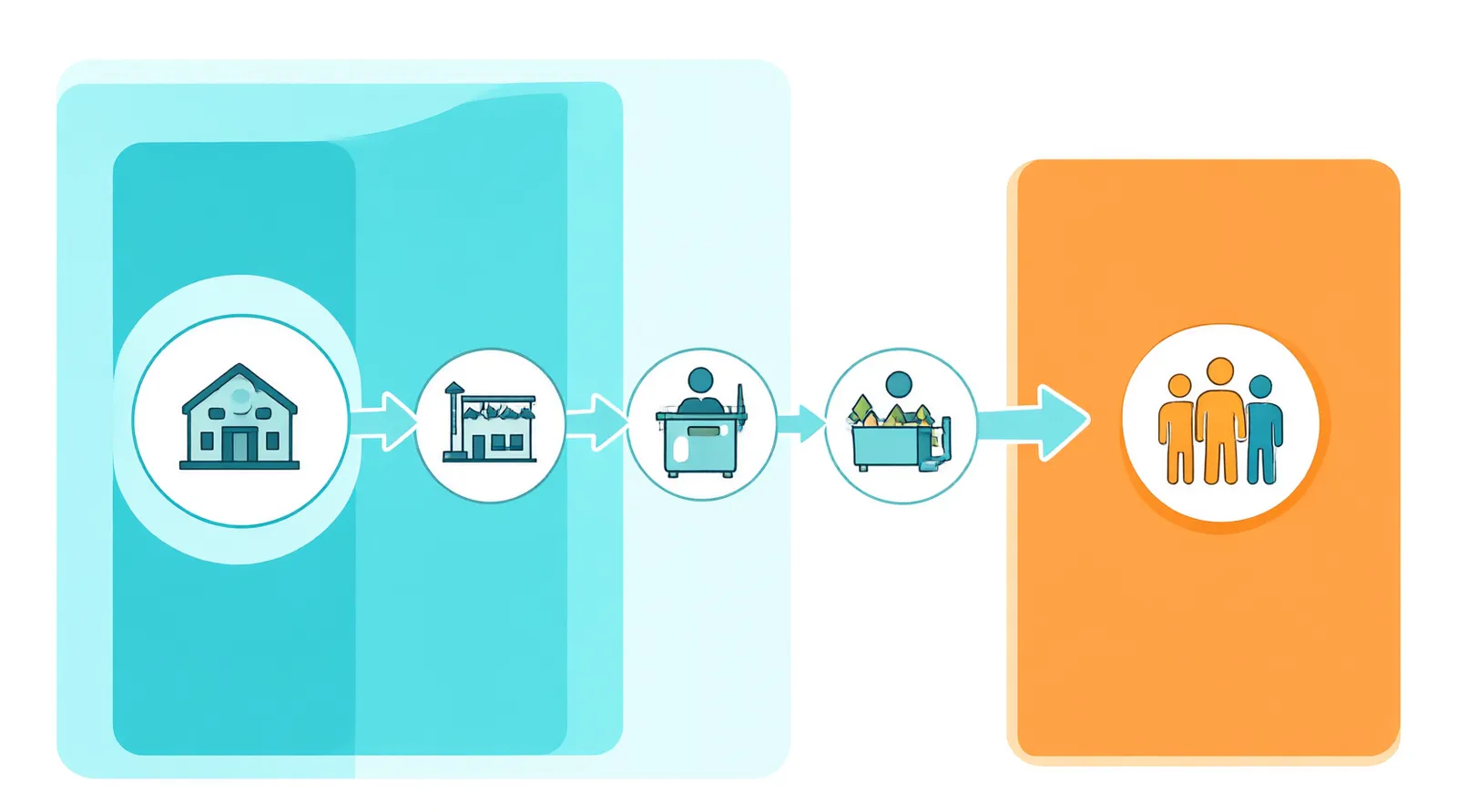
Wholesale trade is the sale of goods in bulk to retailers, commercial users, or other businesses rather than individual consumers. Under NAICS Code 42, these establishments sell merchandise without transforming it, meaning products are resold in substantially the same form as purchased (Source). For overseas buyers and DTC store owners sourcing from China, understanding this mechanism determines whether you secure a reliable supply chain or gamble on an unverified marketplace listing. To build a foundational strategy before engaging suppliers, review our global wholesale sourcing guide.
Buying direct-to-consumer inventory from Chinese factories requires navigating minimum order quantities (MOQs), language barriers, and quality verification. A structured wholesale approach replaces guesswork with verifiable data. Instead of clicking through thousands of unvetted storefronts, professional importers shortlist factories, audit their production lines, negotiate pricing based on actual capacity, and coordinate physical samples before committing capital. This guide breaks down how that process works, why it matters, and where managed export operators like Link4a (链上科技) fit into the transaction.
What Is Wholesale Trade and How Does It Work?
Wholesale trade falls under the broader Trade sector and covers establishments primarily engaged in wholesaling merchandise to other businesses and professional users (Source). These businesses typically provide services incidental to the sale of merchandise, such as delivery coordination and credit terms, which retail transactions rarely include.
The core activity involves moving large volumes of goods between the manufacturer and the next link in the supply chain. For example, a plumbing distributor in Canada does not manufacture brass fittings. They purchase them in bulk—often by the container load—from specialized factories in regions like Zhejiang or Guangdong, China. The distributor then sells smaller batches to local contractors. The merchandise changes hands, but its physical form remains identical throughout the transaction.
This model splits into two primary categories. Durable goods wholesalers deal in products with a long life span, such as machinery, equipment, tools, and motor vehicle parts (Source). Nondurable goods wholesalers handle products consumed quickly or perishable, including paper products, apparel, food, and beverages (Source). If you run a DTC brand selling ceramic mugs, you operate within the nondurable goods space. If you source industrial gate hardware for a B2B e-commerce store, you are dealing in durable goods.
Understanding this distinction matters because it dictates your sourcing strategy. Durable goods often require strict material certifications (like ISO 9001 or CE marks), while nondurable goods prioritize speed to market and packaging compliance. While wholesale trade focuses on bulk business transactions, understanding how it differs from direct consumer sales is critical; for a deeper comparison, read B2B vs B2C: The Complete Comparison Guide for Business Decision-Makers.
Why Wholesale Trade Matters for Overseas Buyers
Retail pricing structures cannot sustain a profitable import business. Wholesale trade matters because it provides the margin necessary to cover international freight, customs duties, warehousing, and customer acquisition costs. When a DTC store owner buys 500 units of a product at a wholesale price rather than a retail price, they unlock the capital required to scale.
Consider the economics of sourcing custom windows or aluminum frames from China. A single unit shipped via air freight might cost $80 in logistics alone. A wholesale container shipment drops that per-unit logistics cost to a fraction of the total. Bulk purchasing also grants buyers leverage during negotiations. Factories prefer consistent volume over sporadic small orders because it stabilizes their production schedules.
Beyond pricing, wholesale relationships establish accountability. When you buy through a formal wholesale channel—especially one managed by a verified partner—you have a contractual basis for quality disputes. Marketplace listings offer no such protection. If a batch of 1,000 silicone phone cases arrives with misaligned molds, a wholesale agreement specifies who absorbs the loss and how the replacement is handled.
For overseas buyers evaluating suppliers domestically versus internationally, the structural differences in how wholesale networks operate dictate lead times and pricing tiers. Exploring regional options helps clarify these variables, as detailed in our guide on Wholesale Suppliers in USA: The Complete 2026 Buyer's Guide. American importers specifically should review the regulatory nuances of China wholesale for US buyers to ensure seamless customs clearance.
How to Execute Wholesale Trade with Chinese Factories
Executing a wholesale deal with a Chinese manufacturer requires a repeatable system. Relying on automated translation tools and unverified supplier directories leads to mismatched specifications and delayed shipments. The process demands four concrete steps.
Shortlisting and Vetting
The first step is filtering out trading companies masquerading as manufacturers. You need to verify business licenses, check export history via customs data, and confirm factory ownership. A managed export operator handles this by maintaining a pre-vetted roster. For instance, Link4a shortlists factories based on specific buyer requirements—whether you need a facility capable of producing medical-grade stainless steel or a textile mill certified for organic cotton.
Negotiating MOQ and Price
Factories set MOQs based on their machine setup costs. If a plastic injection mold takes four hours to calibrate, the factory will not run it for 50 units. Negotiation involves finding the threshold where the factory's setup cost aligns with your initial order budget. Experienced sourcing partners negotiate these terms by aggregating demand or leveraging historical order data to prove future volume.
Sample Coordination
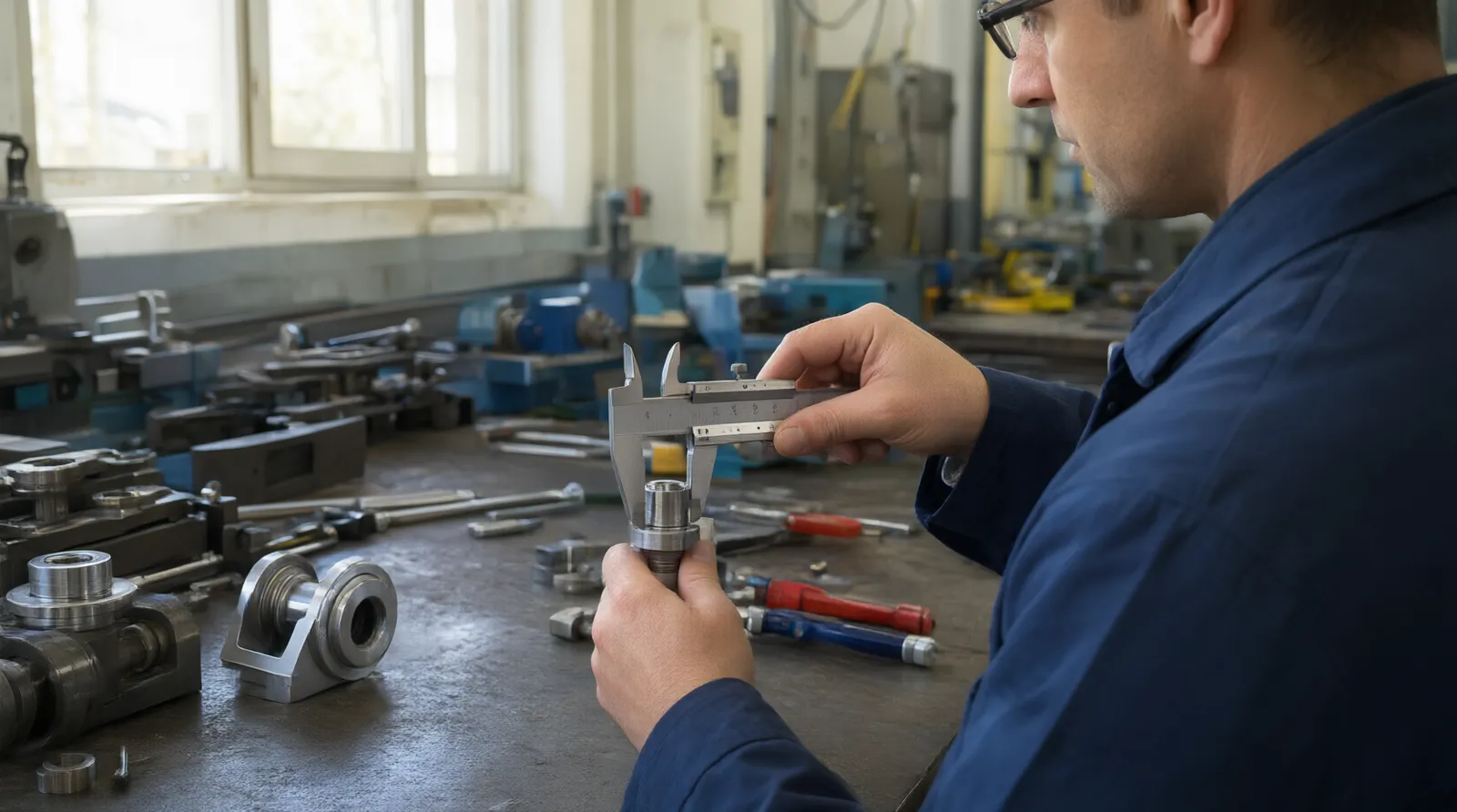
Never commit to a full production run without approving a physical sample. The sample must be produced using the exact materials and tooling intended for the final batch. "Golden samples" handcrafted by engineers do not represent mass production quality. You must specify tolerances—for example, a variance of +/- 0.5mm on a machined part—and test the sample against those metrics.
Managing Repeat Orders
Wholesale trade relies on consistency. Once a product is validated, the repeat ordering process should require minimal intervention. Multilingual communication bridges the gap here. Drafting replies to buyers directly from the factory's actual in-stock catalogue prevents overselling. Platforms like Sitebox or Inbox (tools utilized by operators like 链上科技) help centralize these communications, ensuring that the English, Arabic, or Spanish specifications sent to the buyer match the Mandarin instructions given to the production floor.
If you are weighing whether to handle these steps internally or use an intermediary, comparing different sourcing models clarifies the operational costs involved. Our breakdown in Trading Company vs Alternatives: Which B2B Sourcing Model Wins? outlines the structural differences between managing this yourself and outsourcing it.
When Should You Use Wholesale Trade?
You should transition to wholesale trade when your sales velocity outpaces your ability to fulfill orders profitably through retail arbitrage or dropshipping. If your DTC store processes 30 orders a day for a specific item, buying those items individually from a marketplace is mathematically unsustainable.
Wholesale trade is also mandatory when you require customization. Private labeling—adding your logo to existing factory designs—or creating bespoke tooling requires direct factory engagement. You cannot achieve this through standard retail channels.
Timing also depends on your target market's regulatory environment. Selling electronics in Europe requires CE certification; selling children's toys in North America requires CPSC compliance. These certifications are issued to manufacturers, not middlemen. Engaging in wholesale trade allows you to contract directly with a factory that holds the necessary testing reports, ensuring your inventory clears customs without being seized.
Finally, consider the geographic diversification of your supply chain. While China remains the dominant hub for manufacturing scale, buyers increasingly compare lead times and tariffs with alternatives like Vietnam. Wholesale trade frameworks allow you to evaluate multiple countries using the same vetting criteria—factory audits, sample testing, and MOQ negotiations—rather than relying on country-specific assumptions.
The Benefits of Structured Wholesale Sourcing
Structured wholesale sourcing eliminates the volatility inherent in spot-buying. The benefits manifest across three specific areas: financial predictability, quality control, and market reach.
Financial predictability comes from locked-in pricing. When you agree to a wholesale contract for six months of production, your cost of goods sold (COGS) remains static, even if raw material prices fluctuate slightly. This allows DTC operators to forecast ad spend accurately. If your landing page converts at 3% and your wholesale cost per unit is fixed, your return on ad spend becomes a calculable metric rather than a guess.
Quality control improves because wholesale relationships mandate standardized inspection protocols. Instead of hoping a random seller ships the correct item, a structured wholesale agreement includes pre-shipment inspections. Third-party inspectors visit the factory floor, pull random units from the finished pallets, and verify them against the approved sample.
Market reach expands significantly when factories utilize managed overseas storefronts. Many Chinese factory owners possess excellent manufacturing capabilities but lack the internal resources to hire an export sales team. Managed export operators solve this by building localized digital infrastructure. Rather than translating a single English page into five languages using machine translation, effective operators conduct per-language keyword research. They build dedicated pages for six locales, ensuring Arabic layouts render right-to-left correctly, and publish weekly SEO content tailored to each market.
The results of this localization are measurable. Internal reviews of client stores managed by Link4a have shown that a significant portion of optimized product pages can rank on the first page of US search results. Because search rankings fluctuate constantly, these positions shift over time, but the underlying strategy of targeting specific, high-intent search queries remains consistent. The specific search queries driving this traffic are published directly on their homepage for verification, replacing vague marketing promises with transparent data.
For the factory owner, the financial risk of entering overseas wholesale markets drops to zero when the model operates strictly on commission. Charging fees only after an order closes means the factory pays nothing upfront to access international distributors or DTC buyers.
Overcoming Common Wholesale Trade Challenges
Even with a structured approach, wholesale trade introduces friction points that catch inexperienced importers off guard. Identifying these challenges early prevents capital loss.
Communication Breakdowns: Language barriers cause specification errors. A buyer requests "matte black," but the factory interprets the translated term as "dark gray." Multilingual communication teams prevent this by referencing visual standards (like Pantone codes) and confirming details in both the buyer's language and Mandarin. Replies drafted from the factory's actual in-stock catalogue ensure buyers are never promised inventory that does not exist on the production floor.
Hidden Costs in Transactions: The listed unit price rarely represents the final landed cost. Buyers must account for inland freight from the factory to the port, customs brokerage, ocean freight, insurance, and destination tariffs. Electronic markets and agents facilitate wholesale transactions mainly through digital platforms or act as intermediaries without taking ownership of the goods, but they often obscure these secondary costs (Source). A transparent sourcing partner itemizes every fee before the deposit is wired.
Supplier Reliability: Factories occasionally prioritize larger domestic clients over overseas wholesale orders, leading to delayed shipments. Mitigating this requires continuous relationship management. Sourcing partners who maintain regular, on-the-ground contact with factory managers can escalate production delays before they impact the buyer's launch schedule.
Compliance and Size Standards: Understanding regulatory thresholds is vital for scaling. Businesses operating within this sector must meet Small Business Administration (SBA) size standards to qualify under NAICS Code 42. Specifically, the SBA size standard for both Durable Goods and Nondurable Goods Wholesale Trade is capped at 100 employees (Source). Knowing these parameters helps overseas buyers understand the scale of the domestic distributors they are supplying, ensuring alignment in order volume expectations.
Actionable Next Steps for Importers and Factory Owners
Wholesale trade is not a passive activity. It requires active vetting, precise negotiation, and continuous logistical oversight. For overseas buyers, DTC store owners, and online creators, the difference between a profitable brand and a failed venture often hinges on the reliability of the first three factory partnerships. Stop treating supplier selection like a slot machine. Define your material requirements, calculate your true landed costs, and demand verifiable proof of factory capability before transferring funds.
For Chinese factory owners looking to move inventory overseas without building an internal export department, the barrier to entry has shifted. You no longer need to fund a foreign sales team to access global distributors. Commission-only managed export models allow you to list your catalogue in multiple localized formats, backed by weekly SEO content and buyer conversations handled entirely on your behalf, with costs incurred only when a deal closes.
Your immediate next step is to audit your current sourcing workflow. Identify where communication gaps occur, calculate your exact per-unit margins including all freight and duties, and determine if your current suppliers can support your projected growth. If you need a dependable sourcing partner to shortlist factories, verify their capabilities, negotiate MOQs, and manage repeat orders across borders, explore how a managed export framework operates at https://link4a.com.
Frequently Asked Questions
What is wholesale trade?
Wholesale trade is the bulk procurement of goods directly from Chinese factories (e.g., 链上科技 or Sitebox) for resale to DTC operators, typically requiring MOQs of 500–2,000 units and 30–45 day production lead times. This process involves verifying supplier capabilities through ISO 9001, BSCI, or product-specific certifications (CE, FCC, UL) before finalizing FOB or EXW terms. It serves as the primary supply chain link enabling overseas buyers to secure cost-efficient, scalable inventory directly from the manufacturing source.
How to wholesale trade?
To wholesale trade Chinese supply, DTC operators and overseas buyers should source directly from verified factories—such as those in Shenzhen for electronics or Yiwu for general goods—using platforms like 1688 or direct outreach to manufacturers like 链上科技, requesting specific certifications (ISO 9001, CE, FCC) upfront. Standard MOQs typically range from 500–2,000 units per SKU with production lead times of 25–45 days post-deposit, so you must finalize tooling, packaging specs, and QC inspection processes (e.g., AQL 2.5 via third-party auditors) before mass production begins. For fulfillment, integrate your factory output with cross-border logistics providers like Sitebox or Inbox to streamline bulk freight consolidation and direct-to-consumer last-mile routing.
Why is wholesale trade important?
Wholesale trade is critical for DTC operators sourcing from China because wholesalers consolidate factory output—such as Sitebox or 链上科技 production runs—allowing buyers to access lower MOQs (e.g., 500 units instead of a factory’s standard 5,000) and faster 15–20 day lead times. They also manage essential compliance steps, ensuring goods carry required certifications like CE, FCC, or ISO 9001 before export. This intermediation reduces the operational risk and upfront capital required when evaluating new Chinese supply chains.
When should I use wholesale trade?
Use wholesale trade when your DTC operation or overseas sourcing program requires verified Chinese factory output—such as Dongguan-based injection molding lines or Shenzhen PCBA assembly—at MOQs of 500–1,000 units with 30–45 day lead times and mandatory BSCI, ISO 9001, or UL certifications. Platforms like 链上科技 (Sitebox) facilitate this by connecting buyers directly to audited manufacturers for bulk procurement rather than retail dropshipping. Engage wholesale channels once you have validated product-market fit and need unit-cost reductions that only direct factory tooling and volume commitments provide.
What are the benefits of wholesale trade?
Wholesale trade through verified Chinese factories—such as Sitebox for consumer electronics or 链上科技 for smart home components—lowers unit costs by 30–50% versus domestic sourcing, typically requiring MOQs of 500–1,000 units and 25–40 day production lead times. For DTC operators, this model provides direct access to OEM/ODM processes backed by ISO 9001, BSCI, and product-specific certifications (CE, FCC, UL), ensuring compliance without intermediary markups. Buying wholesale also consolidates logistics into full-container loads (FCL), reducing per-unit freight costs and streamlining quality control inspections before shipment.